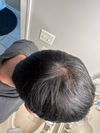
Using a combination of finasteride, minoxidil, dermarolling, and RU58841 to treat hair loss. Participants discussed the time commitment required for treatment and the effectiveness of different dosages.
The user is documenting their experience with oral dutasteride (dut) 0.5 mg and minoxidil (min) 5 mg for hair loss, planning to add RU58841 after three months. They previously used finasteride with success and are now experiencing increased shedding but also new hair growth.
MaximusDurkimus shares experience with 0.25mg Finasteride, Minoxidil-induced lupus, and less than 10mg RU58841 for hair loss. Plans to try 0.025% topical Finasteride with 5% Stemoxydine and possibly Tretinoin, Fluridil, or CB-03-01 in the future.
The user experienced male pattern baldness starting at 18, tried finasteride with no success, and switched to dutasteride, which halted hair loss. Minoxidil had no effect for them, while their brother, who didn't use AR inhibitors, maintained a juvenile hairline and successfully grew a beard with minoxidil, highlighting the unpredictable nature of genetics in hair loss and treatment response.
Using minoxidil twice daily may offer around 20% better regrowth compared to once daily, but once daily is still effective, especially with dermastamping. The user also uses dutasteride and finasteride daily, and is considering increasing minoxidil application despite concerns about cost and potential shedding.
The conversation discusses hair loss treatments, focusing on a new slow-release oral minoxidil compared to topical minoxidil and finasteride. The results show that twice-daily dosing of the new treatment is slightly more effective than once-daily, but concerns about cost, side effects, and the accuracy of reported results remain.
RU58841 is being mixed with Minoxidil solution, but concerns arise about water causing instability. Mixing with water may lead to hydrolysis, potentially reducing effectiveness.
After 10 months on a high dose of Dutasteride, there were no noticeable benefits or side effects, leading to the conclusion that increasing the dose is overrated. Combining 0.5mg Dutasteride with RU58841 or Minoxidil is recommended for better results.
A woman with AGA is using spironolactone, dutasteride, finasteride, oral minoxidil, bicalutamide, and anti-androgenic birth control but still experiences worsening hair loss. Steroid shots temporarily stop her hair shedding, leading her to question her biopsy results.
The user has been using Dutasteride and topical Minoxidil for hair loss, considering switching to oral Minoxidil and increasing Dutasteride dosage. They are seeking advice on whether to change their current regimen or continue, with some users suggesting oral Minoxidil and others cautioning about potential side effects.
The conversation discusses using minoxidil with retinol for hair loss treatment. Users share their experiences and opinions on the effectiveness of this combination.
The user started taking oral 0.5 mg dutasteride and 2.5 mg minoxidil daily since July 9. After about three months, they report positive progress in hair regrowth, with others agreeing it looks good.
The conversation is about choosing an additional topical treatment for hair loss, with options being fluridil, topical spiro, or alfatradiol, alongside existing treatments like dutasteride, oral minoxidil, latanoprost, and RU58841. Opinions vary on the effectiveness of adding these topicals, with some suggesting RU58841 is sufficient.
The conversation discusses whether adapalene (Differin) increases sulfotransferase like tretinoin does, in the context of combining it with minoxidil for hair treatment. The responses indicate that adapalene does not have the same effect as tretinoin.
Being overweight may increase finasteride side effects due to higher aromatase activity converting testosterone to estradiol. Maintaining a healthy weight could reduce these side effects.
The user, Albertgejmr, is happy with their progress in treating hair loss using 15mg oral minoxidil and 0.5mg Dutasteride. Some users express concern about the high dosage and potential side effects.
Switching from tretinoin to tazarotene with minoxidil led to new hair regrowth after years of maintenance. Tazarotene's selectivity and higher concentration might be more effective for hair growth.
This user discussed using oral minoxidil as a hair loss treatment, and was cautioned against mixing topical minoxidil with water and drinking it due to potential side effects and risks. Other users shared their concerns about the dangers of self-prescribing medications without consulting a doctor.
The conversation discusses combining topical cetirizine with minoxidil for hair loss treatment and inquires about the safety and absorption through the skin, as well as the possibility of adding melatonin.
A 42-year-old male has been using finasteride successfully for over 10 years but is now experiencing thinning at the crown. He is considering adding minoxidil or switching to dutasteride for better results.
The user is considering combining 1mg oral finasteride with 0.1% topical finasteride due to reduced effectiveness after 5 years and is also using minoxidil twice daily. They previously tried dutasteride but stopped due to side effects and are hesitant to try RU58841.
A user is treating hair loss with 0.5mg Dutasteride three times a week, 5mg oral Minoxidil daily, and topical finasteride and minoxidil, seeing some improvement but insufficient density. They are considering increasing Dutasteride dosage and addressing high estradiol levels, while also trying to quit vaping.
A Phase 1 update for the HMI 115 clinical trial, which involves 16 participants and is expected to end in July 2023; as well as changes to the recruitment process, including treatment protocols with Minoxidil, Finasteride, and RU58841.
The conversation discusses the potential benefits and risks of participating in the PP405 hair loss trials, emphasizing that those using Minoxidil or finasteride are less likely to be accepted. Participants are interested in the trial as it offers hope for effective treatment without the side effects associated with current medications.
A 23-year-old male with early stage 4 hair loss is using a treatment routine that includes minoxidil 5% with tretinoin once daily, finasteride 1mg every other day, 2.5mg oral minoxidil every other day, and derma rolling twice a week. The discussion is about whether using minoxidil twice a day is better than combining it with tretinoin once a day.
Minoxidil 5% combined with 0.01% tretinoin may be as effective as using minoxidil twice daily. Users discuss switching to oral minoxidil for consistency, with concerns about side effects.
Taking 5mg oral minoxidil at night instead of splitting 2.5mg doses, with the rationale that a single larger dose may provide a stronger activation for hair follicles and reduce peak-related side effects. Some users report sleep issues with nighttime dosing, while others find it beneficial; opinions on effectiveness and side effects vary.
A 26-year-old male is using a combination of clomiphene, minoxidil, tadalafil, bupropion, and lisdexamfetamine to address low testosterone, ED, depression, and focus issues. He seeks input on the safety and efficacy of this regimen, which also includes magnesium, zinc, and fish oil supplements.
The user experienced significant hair regrowth after switching to oral minoxidil and dutasteride, having previously used finasteride and topical minoxidil. They reported no side effects from the current regimen of 0.5 mg dutasteride and 5 mg oral minoxidil.