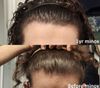
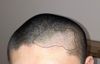
Hair fibers impressively cover bald spots, boosting confidence. User started big 3 treatment (0.5mg fin, 1 time minoxidil 5% topical, ketoconazole 2%) for regrowth.
A dental technician claims malocclusion causes pattern hair loss due to poor scalp circulation. Users debate this, noting treatments like finasteride, minoxidil, and microneedling focus on DHT and blood flow.
The conversation discusses treatments for Androgenetic Alopecia, including Minoxidil, finasteride, RU58841, and topical caffeine. It emphasizes that there are multiple treatment options available in 2025.
Why the top of the head is affected by hair loss more than other areas, and treatments such as surgery, medications like minoxidil, finasteride, and RU58841 to treat it.
The conversation discusses various hair loss treatments, including Breezula, KX826, and PP405, with mixed opinions on their effectiveness compared to finasteride and minoxidil. Some users express skepticism about the new treatments, while others remain hopeful about future developments.
The user's hair regrowth plan includes topical treatments (RU58841, azelaic acid, ketoconazole), oral supplements (Gia Herbs, castor oil), microneedling, PTD-DBM peptide with valproic acid, red light therapy, inversion table with scalp massage, and platelet-rich fibrin injections. Commenters suggest that finasteride and minoxidil are essential treatments for male pattern hair loss, which are missing from the plan.
A 22-year-old is experiencing hair loss, particularly fuzzy hair in the front, and is concerned about male pattern baldness. Treatments mentioned include Propecia (finasteride), minoxidil, PRP treatments, dermarolling, peppermint oil, and apple cider vinegar.
Balding scalps have more androgen receptors, leading to increased TGF-beta, which causes blood vessel loss and hair follicle miniaturization. Blocking androgen signaling and TGF-beta may help prevent hair loss.
Hair regrowth after telogen effluvium, with the user experiencing hair loss at the temples and regrowth after taking omega-3/fish oil tablets. Suggestions include consulting a dermatologist and considering supplements like Biotin, Zinc, and Vitamin D.
Androgenic alopecia (AGA) might have evolved to reduce prostate cancer risk by increasing UV exposure to the scalp, but this theory is debated. Treatments like minoxidil and finasteride are used for AGA, though the exact causes and evolutionary reasons for hair loss are unclear.
The review discusses traditional hair loss treatments like minoxidil and finasteride, and newer options like Low-Level Laser Therapy, microneedling, and platelet-rich plasma for androgenetic alopecia. It highlights the need for more high-quality trials to assess these treatments' effectiveness and standardized protocols for emerging therapies.
The user is experiencing hair thinning at the front of the scalp and is seeking advice on regrowing long curly hair. They are considering treatments like Minoxidil, finasteride, and RU58841 to prioritize hair regrowth.
A 21-year-old is concerned about androgenic alopecia and has been using minoxidil for a year, noticing some stabilization in the hairline but fears using it on the whole scalp due to seborrheic dermatitis. Another person suggests considering a psychiatrist for stress management, using Nizoral shampoo, and possibly trying a small dose of finasteride.
The user is experiencing diffuse shedding but also hairline regrowth after starting finasteride, switching to dutasteride, and using oral minoxidil, ketoconazole shampoo, and RU58841. Other users advise patience, suggesting that the treatments need more time to show results and caution against using too many medications simultaneously.
The user is experiencing progressive hair thinning despite using finasteride and dutasteride. A biopsy confirmed male pattern baldness, and minoxidil was suggested as an additional treatment.
The mechanism of Androgenic Alopecia and practical applications of treatments like Minoxidil, Finasteride, RU58841, dermarolling, scalp massages, anti-fungals, progesterone, estrogen, PPAR-γ activators, reducing oxidative stress, and scalp exercises. It explains why DHT is important in AA and how other factors might be involved such as hypoxia, increased DKK-1 expression, morphological changes to the scalp, skull growth during childhood/puberty, and blood flow.
A 21-year-old with a family history of early balding is advised to see a dermatologist to confirm androgenetic alopecia (AGA) and consider treatments like finasteride or dutasteride to prevent further hair loss, and minoxidil, possibly with tretinoin, to regrow hair. Caution is advised with oral minoxidil, and a cardiologist should be consulted before use.
The user is experiencing diffuse hair thinning despite using finasteride and oral minoxidil, with no hairline recession or bald spots. Suggestions include checking for telogen effluvium, considering a JAK inhibitor for potential autoimmune issues, and conducting further tests to rule out other causes.
A 30-year-old man shares his successful hair loss protocol, which includes finasteride, Nizoral shampoo, low-level laser therapy, microneedling, and past use of oral minoxidil. He plans to consider dutasteride and possibly hair transplants in the future, while advising caution with crown transplants before age 35.
A 20-year-old female with PCOS is experiencing hair loss and excessive facial hair. She is using ketoconazole and caffeine shampoos, microneedling, and considering anti-androgens like finasteride, but is cautious about minoxidil due to facial hair concerns.
People with hair loss experience emotional struggles and body dysmorphia. Treatments like minoxidil, finasteride, and dutasteride are used, but results vary and can take time.
DUPA and retrograde alopecia may not be solely DHT-based, and a biopsy is crucial for accurate diagnosis and treatment. Treatments mentioned include dutasteride, oral minoxidil, pioglitazone, clobetasol, calcipotriol, ketoconazole, and doxycycline, depending on the specific condition.
The user is experiencing one-sided diffuse thinning and has been using finasteride and liquid minoxidil for 4-5 years with minimal results. They are considering whether to save for a hair transplant or address scalp sensitivity and irritation first.
Some individuals experience side effects from 5AR inhibitors like finasteride and are considering hair transplants without these medications, with some opting for surgeons like Dr. Zarev. Others are exploring alternative treatments and waiting for new medications in development, while some discuss managing side effects through lifestyle changes or additional medications.
A 25-year-old shares progress on hair regrowth using finasteride, ketoconazole shampoo, Alpecin caffeine shampoo, and topical minoxidil, noting improved hair health but persistent temple thinning. They consider switching to oral minoxidil, adding microneedling, and possibly a hair transplant after one year.
The conversation is about a female experiencing hair loss and seeking advice on why it's difficult to regrow hair. Specific treatments like Minoxidil, finasteride, or RU58841 are not mentioned.
Lichen Planopilaris (LPP) is an autoimmune condition causing permanent hair loss and fibrosis, often misdiagnosed. Treatments include pioglitazone, topical corticosteroids, anti-inflammatory medication, and Jak inhibitors.
The conversation is about a person struggling with inconsistent hair styling due to thinning hair, despite being on hair loss medications. They find that ketoconazole 2% shampoo helps, but conditioning makes their hair look worse; others suggest staying consistent with treatment and using hair fibers for events.
The conversation discusses a user experiencing short, curly, wiry hair above and behind the ears, linking it to pattern baldness. The user suggests starting treatment early but personally chose not to pursue treatments like Minoxidil, finasteride, or RU58841 due to the hassle.