The conversation discusses hair loss treatments, specifically Minoxidil, finasteride, and RU58841. It also mentions observations about the Amla page on Examine.
The user has been taking oral minoxidil and finasteride for 10 months with no hair growth but no further hair loss. They are considering adding rosemary oil and possibly returning to a topical solution.
The conversation discusses alternatives to 5AR inhibitors for hair loss treatment, suggesting options like minoxidil, KX-826, pyrilutimide, microneedling, and topical bicalutamide. Concerns about side effects and the effectiveness of these treatments are also highlighted.
The user shared a 15-month hair loss treatment update using Dutasteride (0.5mg/day), Minoxidil (5% foam twice daily), Nizoral (1% every 3 days), and a 1.5mm derma roller (twice a month), along with a multivitamin, exercise, low sugar diet, hydration, and consistent sleep. They started seeing results after 6-9 months, with significant improvement at the 1-year mark, and apply Minoxidil the day after derma rolling.
Oleic acid and microneedling are being explored for hair regrowth, but results are mixed. Addressing DHT and fibrosis is crucial, with treatments like finasteride, minoxidil, and scalp massage also discussed.
RootBioTec, a basil hairy root extract, claims to reduce hair loss by 31% in two months by inhibiting 5α reductase II and stimulating hair follicles. There is limited independent information available about its effectiveness.
A user trying various treatments for hair loss, such as minoxidil, stemoyxidine, alfatradiol, and microneedling, with plans to add tretinoine and finasteride.
The user is happy with their 6-month hair transplant progress of 4600 grafts in Turkey and has been using finasteride for 5 years and minoxidil for 4 years. The donor area is in good condition, potentially allowing for future hair reinforcement.
The user started treating hair loss with minoxidil, Nizoral shampoo, dermarolling, and castor oil, and noticed small hairs growing at the temples. They plan to add biotin and azelaic acid to their routine but are avoiding finasteride due to potential side effects.
A 26-year-old male is documenting his hair regrowth journey using 0.5mg dutasteride and 5mg oral minoxidil, transitioning from 5% topical minoxidil. He reports no significant side effects after one week, except for slight water retention and increased libido.
A user is seeing good results with RU58841 for hair loss, noting reduced shedding and thicker hair. They plan to use pumpkin seed oil as a solvent to avoid water content, which they believe reduces the effectiveness of anti-androgens.
The user is experimenting with a mix of topical treatments, including finasteride and minoxidil, to improve hair growth, particularly at the temples and core. They are also trying various oils, despite skepticism about their effectiveness, to see if they can enhance results without causing harm.
User questions credibility of a hair loss "cure" found by a non-expert and warns against wasting money on unproven supplements. Others discuss trying natural extracts and the importance of researching the enzyme 3ADH for potential hair growth benefits.
A user reported thickening their hairline using a nightly mixture of castor oil, peppermint oil, rosemary oil, and sandalore, without using minoxidil due to side effects. They also continued using alfatriodol for DHT blocking and saw modest improvements after 6 months.
Mixing rosemary oil and coconut oil for scalp application is discussed, with some users suggesting it may not be effective for hair regrowth compared to treatments like finasteride and minoxidil. Others mention that rosemary oil might have some benefits similar to minoxidil, but not as effective as pharmaceuticals.
The conversation discusses using oral castor oil as a hair growth stimulant for beard and scalp hair. One user questions its use, noting castor oil is typically a laxative in the Philippines.
Minoxidil's effectiveness varies due to differences in sulfotransferase enzyme levels in the scalp, affecting people with conditions like ASD, liver disease, and androgenic alopecia. Treatments like topical tretinoin, microneedling, and using minoxidil sulfate instead of regular minoxidil can improve results for those with low enzyme levels.
The conversation discusses the completion of a Phase II trial recruitment for Breezula (CB-03-01), a potential treatment for androgenic alopecia. Specific treatments mentioned include Minoxidil, Finasteride, and RU58841.
A 24-year-old male with androgenetic alopecia is using a treatment of Dutasteride 0.5 mg, oral Minoxidil 2.5 mg, L-cysteine, and a Ketoconazole/Caffeine/CBD shampoo. He's considering using a dermaroller to improve results, taking biotin and iron vitamins, and quitting nicotine due to its potential link to hair loss.
A user used Minoxidil twice daily, 1 mg finasteride in the morning, and a dermaroller weekly for a year but is unhappy with the results and sperm quality. Others suggest continuing the regimen, noting hair maintenance and thickness, and considering additional treatments like dutasteride or a hair transplant.
Unwanted hair growth from minoxidil use, with suggestions to reduce dosage or switch to finasteride. Users recommend hair removal methods like shaving, waxing, or electrolysis to manage excess facial hair.
A 22-year-old is using dutasteride 0.5mg daily, oral minoxidil 2.5mg, biotin 5mg, and microneedling for hair loss. They also use a shampoo with saw palmetto and green coffee but are unsure of its effectiveness due to its high cost.
A person treated their diffuse alopecia with oral minoxidil (10mg daily), oral finasteride (reduced to 0.25mg daily due to side effects), castor oil, vitamins, and ashwagandha, and plans a hair transplant in Turkey. They stopped using topical minoxidil, have seen improved hair density, but are still experiencing hair loss.
A 36-year-old male using dutasteride and minoxidil has seen significant hair regrowth, confirmed by a dermatologist and supported by before-and-after photos. He plans to increase his oral minoxidil dosage and add dermapen to his routine.
Rosemary and peppermint oils are suggested as natural alternatives to minoxidil for hair growth, with added benefits for skin health. Some users report positive results, though there is debate about their effectiveness compared to minoxidil.
User found Dubai website selling Follics FR 12 hair treatment with 12% Minoxidil and topical Finasteride. Asks if anyone tried it and if it's beneficial.
A user is seeking advice on increasing graft survivability after a hair transplant, mentioning PRP, Mesotherapy, Stem Cell injections, and considering L-Arginine before starting Minoxidil. They are looking for ways to support blood flow before applying Minoxidil.
The user is using oral Minoxidil, oral Dutasteride, microneedling, and RU58841 for hair loss, noticing slow progress with small hairs appearing. They are inconsistent with microneedling frequency, sometimes doing it weekly or skipping weeks.
The post discusses the use of El-Cranell, which contains Alfatradiol, and Quercetin as a treatment for hair loss. The user is seeking recommendations on the amount of Quercetin to add to the solution. The conclusion of the document is that Quercetin has been shown to stimulate hair growth and inhibit DHT, and combining it with zinc/copper may have a synergistic effect.
The user experienced hair regrowth using dutasteride daily, microneedling weekly, and Nizoral shampoo, after stopping minoxidil due to side effects. They also use a mix of pumpkin seed, rosemary, and peppermint oil, and are considering RU58841 for more temple area thickness.
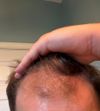
![M26 Regrowth Journal [0.5mg dut + 5mg oral minoxidil]](/images/research/08be6f74-78ff-4abd-86db-488d3602c9f7/small/18396.jpg)