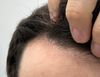
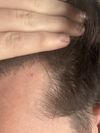
Microneedling once a week at 1mm caused bumps, possibly scars, in the treated area. The user is considering cleaning the skin before microneedling to prevent this issue.
This user "ateaninja" has been using finasteride and minoxidil for 14 months along with weekly micro-needling for the last 5 months to treat hair loss. They also have a trusted barber to make their existing hair look fuller.
Adding a daily scalp massage with an acupressure device before applying minoxidil can enhance its effects by improving blood circulation, with no side effects. Users are advised to continue microneedling weekly and consider using a derma stamp to avoid scarring.
The user has been using topical finasteride and minoxidil for a month to address hair thinning. They are experiencing shedding but have noticed small hairs on their temples.
The conversation is about concerns regarding the safety of using stemoxydine (Serioxyl Advanced) around cats, with the user also using minoxidil, oral minoxidil, dutasteride, and microneedling for hair loss. The user is seeking advice on whether stemoxydine is toxic or lethal to cats.
OP experienced hair improvement using NMN and quercetin after stopping finasteride, but later resumed finasteride due to shedding. They believe NMN and quercetin still help with hair loss.
After one year of using 1mg oral finasteride and 5% minoxidil daily, along with initial weekly microneedling that later became biweekly, the individual's hair appears improved. They have stopped microneedling but continue with finasteride and minoxidil.
HairClone is developing cell replacement treatments to rejuvenate and generate hair follicles, and has launched a crowdfunding campaign. A user expressed skepticism about the need for crowdfunding.
Exosome injections stimulate hair growth by using exosomes' healing potential to awaken dormant hair follicles and promote new hair cell creation. The procedure increases scalp blood circulation, encourages collagen and elastin formation, and regenerates hair follicles, improving hair thickness and quality.
The user started using finasteride, minoxidil, and biotin for hair loss and believes they are a hyper responder, noticing significant changes in hair thickness. They regret not starting earlier and mention using oral minoxidil.
The user experienced improved hair density after switching from 5mg to 2.5mg oral Minoxidil post-esophagus surgery, suggesting a possible link between gut health and hair growth. They theorize that long-term medication may have blocked nutrient intake, affecting hair regrowth.
The user is pleased with their hair improvement after 18 months using 1mg oral Finasteride daily and 5% topical Minoxidil spray twice daily. They are happy with the results despite some greying and are not considering a hair transplant.
The user has been using topical minoxidil for over a year and added kx826/pyrilutamide to improve hair growth, avoiding finasteride due to side effects like lowered libido and panic attacks. They report positive results with reduced shedding and healthier hair, particularly in areas previously unresponsive to minoxidil.
Latisse (bimatoprost) is discussed as a potential treatment for hair growth due to difficulty obtaining PGE2. Users also mention concerns about sourcing reliable products from China.
The conversation is about someone using finasteride and minoxidil along with microneedling as a treatment for hair loss, and there's a mention of scalp tattooing as an alternative or additional approach. Some responses mock the approach, while others inquire about the specifics of the treatment and its effectiveness.
The conversation discusses patient updates on hair loss treatment with Verteporfin after five months, as reported by Dr. Blake Bloxham. Patients voluntarily sent their progress pictures to Dr. Bloxham.
User is concerned about starting minoxidil due to potential effects on collagen production and skin aging. They have been using finasteride for almost 2 months.
The user shared their positive experience with hair regrowth using a minoxidil and finasteride spray, along with occasional microneedling, and encouraged others to try it. Despite skepticism from some users about a possible hair transplant, the user insisted their results were solely from the treatment.
Microneedling with 5% minoxidil improves hair growth for hair loss patients. Best protocol: 1.5mm dermaroller weekly for 12 weeks or 0.6mm dermapen every 2 weeks for 12 weeks, skipping topicals for 24 hours.
The user shared progress pictures after 5 weeks of using 5% topical minoxidil, scalp massages, and microneedling for hair loss. They are considering adding finasteride but have decided to wait a few more weeks.
A 24-year-old has been using finasteride, oral minoxidil, and microneedling for hair loss. They reduced minoxidil due to heartburn and are considering a hair transplant.
Scalp tension potentially affecting hair loss, and potential treatments for male pattern baldness such as Minoxidil, Finasteride and RU58841. Evidence from a study was discussed which suggests that the cause of MPB lies within the follicle itself and is not dependent on its surrounding environment.
A user ordered a 10% minoxidil product with caffeine and retinol from Hair Medics UK and is seeking reviews. They are interested in higher percentage minoxidil treatments for hair loss.
Microneedling should target depths of 0.5mm to 1.5mm for hair loss, with weekly sessions at 1mm recommended. Combining microneedling with Minoxidil is common for improved results.
The user has been using a treatment regimen for hair loss for 8 months, including topical 5% minoxidil, 2.5 mg daily minoxidil, 5 mg finasteride every other day, and vitamins. They shared progress pictures showing little change in the crown area.
The user is experiencing noticeable hair improvement after 4.5 months of using a treatment regimen including minoxidil, finasteride, biotin, Nioxin shampoo, microneedling, topical NANoxidil, and copper peptides. Feedback from others is positive, encouraging the user to continue the treatment for at least a year or more.