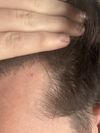
Oral minoxidil can increase body hair growth, but effects differ among individuals. Some recommend topical minoxidil to prevent unwanted body hair while preserving scalp hair.
The conversation is about making a hair loss treatment combining minoxidil with azelaic acid, retinol, and caffeine, similar to the product Xandrox. The user has tried Xandrox but switched to Kirkland minoxidil for cost reasons and is seeking advice on creating a similar mixture.
The user switched from finasteride to 0.5mg oral dutasteride and added 2.5mg oral minoxidil, along with occasional microneedling, to improve hair regrowth. They reported no side effects and are hopeful for continued progress, especially in the temple area.
The user shared progress pictures showing improvement in hair loss after 4 months of using Minoxidil and plans to start Finasteride. They received advice to stay consistent and consider oral Minoxidil.
Switching from Kirkland minoxidil foam to a topical finasteride/minoxidil solution can cause significant hair shedding. The user also uses dutasteride, RU58841, and pyrilutamide in their treatment regimen.
A user expressed concern that minoxidil might have poisoned their cat, leading to heart and lung issues, but others suggested it was unlikely due to minimal exposure. Some users recommended switching to oral minoxidil or using protective measures like a bonnet to prevent potential contact with pets.
The conversation is about a user's four-month progress using finasteride, minoxidil, and weekly dermastamping for hair loss. People occasionally notice improvements in the user's hair.
The conversation discusses a person's hair loss treatment over 1.1 years with finasteride, 1.5 years with minoxidil, and 2 months of microneedling, noting less shedding since starting vitamin D3 a month ago. Commenters are impressed with the results.
PP405 is a safer alternative to JXL069 for hair loss treatment because it penetrates the skin effectively and degrades in the blood, avoiding systemic toxicity. JXL069, when forced into the body, can cause dangerous side effects like lactic acidosis due to its inability to degrade safely.
Amplifica has not provided updates on SCUBE3 and AMP-303, raising concerns about their trial outcomes. Users also mention other treatments like Minoxidil, finasteride, RU58841, PP405, and ET-03.
A 40+ male shared his one-year progress using minoxidil twice daily and microneedling once a week, showing significant hair improvement. He also occasionally uses finasteride in a low dosage due to side effects.
A user applied minoxidil to their pubic hair for 3 months, resulting in hair growth over 4 inches, and is considering using it for a scalp hair transplant. They plan to continue the treatment despite their wife's disapproval.
The user has been using topical minoxidil with other ingredients and oral finasteride, but its effectiveness has decreased. They are considering switching to oral minoxidil after experiencing side effects with dutasteride.
A user tried the Rapid Minoxidil Response Test (TrichoGene) and found they don't respond to topical Minoxidil, so they added tretinoin. The test is available internationally, and another user is considering ordering it.
The conversation discusses a transgender individual's successful hair loss treatment over 1.5 years using 2.5mg oral minoxidil, 5mg finasteride, and 8mg weekly injectable estradiol valerate. Some users debate the appropriateness of this approach within the group's goals, while others support the individualized treatment and its additional benefits for transgender individuals.
The conversation discusses the effectiveness of KX-826 for hair loss and questions how long it should remain on the scalp before washing or sweating. It also mentions treatments like Minoxidil, finasteride, and RU58841.
The user has experienced limited hair regrowth using 1mg oral finasteride, topical minoxidil foam, and occasional dermarolling since August 2023. They are considering switching to dutasteride, adding oral minoxidil 2.5 mg, and RU58841 to improve results.
The user experienced side effects from oral minoxidil, such as palpitations and insomnia, and switched to topical minoxidil, which led to noticeable hair regrowth, especially at the hairline. They also use finasteride and observed increased hair shedding initially, which later stabilized.
Oral minoxidil is considered unsafe due to severe side effects and requires close medical supervision, while oral finasteride is viewed as safe and effective. There is debate over the fear-mongering around finasteride and the downplaying of minoxidil's risks, with some users advocating for proper health screenings before use.
Combining 0.5 mg oral finasteride with topical finasteride and minoxidil during an Enclomiphene cycle may help manage increased DHT levels. Monitoring for side effects is advised.
Orsobalorso took 2.5mg oral minoxidil daily for a year but saw little improvement and stopped due to potential side effects and cost. They also tried finasteride, dutasteride, dermarolling, RU58841, keto, alfatradiol, and stemoxydine, with mild improvement from finasteride.
Trioxidil's effectiveness is questioned, with users suggesting it might be a marketing gimmick. Alternatives like Lipogaine and MSM are discussed, with some users sharing positive experiences with combining treatments like minoxidil and nanoxidil.
A user is asking if Minoboost F, a topical solution with 5% Minoxidil and 0.1% Finasteride, is effective or a scam due to the lack of online reviews. They seek opinions and reviews from others.
The user is trying Hair + Me's 5% minoxidil and 0.1% finasteride topical, which has a different carrier and pleasant smell compared to traditional alcohol-based formulas. They are seeking feedback on its effectiveness compared to classic formulas.
A user experienced significant hair growth using oral dutasteride and minoxidil but developed severe erectile dysfunction, likely exacerbated by obesity and diabetes. They plan to lose weight and possibly adjust medication to alleviate side effects.
Topical finasteride combined with minoxidil is used for hair loss treatment, with some users experiencing fewer side effects compared to oral finasteride. Morr-F, a topical solution, shows better results than minoxidil alone, with minimal adverse effects reported.
The user has been using topical finasteride and minoxidil for a month to address hair thinning. They are experiencing shedding but have noticed small hairs on their temples.
The conversation is about hair loss treatment using finasteride, ketoconazole, and sulfur soap, with consideration of starting dermastamp. The user prefers not to use minoxidil.
Oral minoxidil is causing body hair growth but not improving scalp hair, despite using dutasteride and finasteride. Users suggest waiting longer for results, checking vitamin levels, and considering additional treatments like topical minoxidil, dermarolling, and supplements.
The user is happy with their hair regrowth after using 2.5mg Minoxidil and 1mg Finasteride daily for six months. They are considering adding microneedling to their treatment.