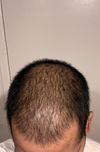
Users discuss using pyrilutamide for hair loss, seeking alternatives to 5AR inhibitors. They mention using minoxidil, ketoconazole shampoo, and RU58841.
PP405 is moving to late-stage trials, showing potential for hair regrowth, with 31% of male patients experiencing a 20% increase in hair density. Veradermics is developing an oral minoxidil version, and there is interest in combining treatments for better results.
People are discussing their experiences with kx-826 (pyrilutamide) for hair loss, using concentrations of 0.5% and 0.9%. They are sharing personal results and progress with this treatment.
The user experienced reduced hair loss using grey-market KX-826 alongside Minoxidil foam, achieving better results with Minoxidil liquid but restricted to foam due to an allergy. Initial side effects included shortness of breath, racing heart, and dizziness, which subsided after the first week.
A user had a bad experience with a dermatologist who prescribed saw palmetto and biotin shampoo for hair loss, which was ineffective. The dermatologist then suggested minoxidil and dismissed the user's interest in finasteride, leading the user to consider seeking a new dermatologist and possibly starting minoxidil in the meantime.
A 30-year-old male experienced rapid hair shedding over 6-7 months due to stress, depression, and nicotine/alcohol use, but has since stopped these habits. He seeks advice on remedies, medications, or diet changes to address hair loss.
CB-03-01 is considered a failed treatment for hair loss, with future hopes pinned on PP-405 and GT-20029, expected by 2030. Alternatives like hair transplants and SMP are discussed, while some users express frustration over the slow progress of treatments like Breezula.
The user experiences immediate hair shedding linked to stress, unlike typical telogen effluvium, and is seeking answers. A suggestion was made to use spironolactone and topical minoxidil to address potential DHT-related shedding.
A user's progress with hair loss treatment, which includes pyrilutamide, dutasteride mesotherapy and topical finasteride, as well as 3 years of minoxidil use. It also discusses whether or not the poster may have had a hair transplant.
DLQ01, a prostaglandin F2α analog, shows promise for hair growth by directly stimulating PGE2/PGF receptors without needing conversion, and can be combined with minoxidil and retinoids like tretinoin for enhanced effectiveness. Minoxidil's efficacy may be reduced by COX-1 inhibitors, but using prostaglandin analogs like Latanoprost or Bimatoprost can help maintain its effectiveness.
The conversation is about the effectiveness of low-level laser therapy (LLLT) caps for hair regrowth. One user suggests saving money, implying LLLT caps may not be beneficial.
A 21-year-old male diagnosed with telogen effluvium and male pattern baldness started oral finasteride, which initially slowed hair loss and slightly thickened hair, but experienced increased shedding after surgery. The doctor recommended iron and vitamin D supplements, and the user is seeking additional advice.
A user's regimen to help with their diffuse thinning, which includes taking Pyrilutamide BID, 1mg finasteride daily, 2.5mg oral minoxidil daily, topical minoxidil since August 2021, LLLT every two days, topical fin, progesterone, melatonin, minoxidil (started one week ago), pumpkin seed oil and not dermarolling; other commenters suggested Nizoral for dandruff control and caution when using pre-mixed products with Pyrilutamide.
The conversation discusses the potential of a new hair loss treatment, GT20029, which may prevent hair loss by destroying androgen receptors on the scalp. Users express hope for the treatment's success and speculate on its usage routine, effectiveness, and possible side effects.
The conversation discusses using USB microscopes for scalp photos and provides a link to an overview of trichoscopy. Treatments mentioned include Minoxidil, finasteride, and RU58841.
The conversation discusses the removal of Breezula phase II 12-month results by Cassiopea and the search for the original data. Concerns were raised about potential negative long-term effects on hair growth, such as androgen receptor upregulation.
A user applied minoxidil to their pubic hair for 3 months, resulting in hair growth over 4 inches, and is considering using it for a scalp hair transplant. They plan to continue the treatment despite their wife's disapproval.
A user is trying to reverse male pattern baldness (MPB) naturally by taking high doses of Vitamin D, improving diet, exercising, reducing stress, and other lifestyle changes, but plans to use finasteride if no results are seen in 60 days. Other users are skeptical, advising medical treatments like finasteride and warning against potential vitamin D overdose and the ineffectiveness of natural remedies for genetic hair loss.
A 16-year-old researching and trying Pyrilutamide for hair loss treatment, reporting back on side effects experienced after one week of use; the reported side effects included testicle pain, headache, and increased shedding. Libido and sexual performance seemed unaffected.
A 33-year-old is using topical minoxidil, oral finasteride (1mg), a derma pen, and 0.05% tretinoin on the hairline to treat hair loss, showing progress after 2 months. They apply tretinoin in the evening with minoxidil and use a derma pen once a week at 1.5mm.
Oral minoxidil combined with isotretinoin may improve hair loss treatment effectiveness. Tretinoin is known to increase the absorption of topical minoxidil.
The user is experiencing worsening hair loss despite undergoing monthly injectable finasteride, clay masks, laser therapy, and microneedling. They are concerned about severe shedding in areas not typically affected by male pattern baldness and are considering seeking a second opinion.
Considering treatments for hair loss, including Minoxidil, Finasteride, RU58841, Fluridil and Pyrilutamide. The user is weighing the risks of taking unapproved medication before it has been mass produced.
A 28-year-old male experienced hair loss after COVID-19 and used Minoxidil with initial success, but later faced shedding again. He started Finasteride in February 2025, noticing improvements, but recent shedding has caused concern; his regimen includes Minoxidil, microneedling, ketoconazole shampoo, red light therapy, supplements, and a healthy lifestyle.
PP405 shows promise for hair regrowth by manipulating stem cell characteristics and lactate dehydrogenase, with Phase 2a trials pending. Google Ventures' $15M investment suggests confidence, but results and market availability remain uncertain.
Minoxidilmax offering a 0.5% Pyrilutamide solution and debating the cost, effectiveness, and safety of using it alone or with other treatments such as Finasteride and Minoxidil.
South Korea's president is advocating for hereditary hair loss to be covered by national health insurance due to its impact on mental health and daily functioning. The discussion highlights the societal pressure in South Korea regarding appearance and the potential benefits of treating hair loss to improve mental health.