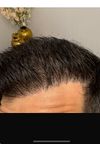
Microneedling alone can stimulate hair growth and enhance the effectiveness of minoxidil. Combining microneedling with minoxidil is more effective than using minoxidil alone.
The conversation is about finding alternative sellers of a hair loss treatment combining 5% Minoxidil with tretinoin and azelaic acid, and the convenience of using a premixed product. The user currently uses a product from Minoxidilmax and Kirkland Minoxidil.
The conversation discusses the potential effects of soy isoflavones on hair loss, suggesting soy might counteract DHT due to its estrogenic properties. It also touches on the legitimacy of sources and anecdotal stories about soy consumption.
The user experienced temporary peach fuzz growth using a product with procapil and later tried minoxidil and finasteride without significant results. Their boyfriend has used minoxidil and finasteride consistently for over five years with sparse hair improvement.
The user is using oral and topical minoxidil, finasteride, dutasteride, and considering adding rosemary and pumpkin saw palmetto to their regimen. They report significant hair growth, especially with dutasteride, and are considering increasing their dose and adding RU58841.
A user shared their positive experience with a hair transplant at Moart Clinic, involving approximately 10,000 grafts for a new hairline and crown. The procedure was smooth, with no pain, and the user is very satisfied with the results.
The conversation discusses using NAC and quercetin as supplements for hair loss, with some users also mentioning finasteride. NAC is highlighted for its potential benefits, but concerns about its safety and absorption are also raised.
The user has been using finasteride, oral minoxidil, topical minoxidil, and Nizoral for hair loss and noticed texture improvement but is unsure about density changes. Other users discuss the importance of taking progress photos with dry hair and share their own experiences and advice.
A 2-week journey with Pyri, which is producing positive effects on hair texture and reduced shedding; Minoxidil and derma needling are being used as treatments.
The conversation discusses the potential of topical rapamycin, metformin, and alpha-ketoglutarate (a-KG) for hair growth, with skepticism expressed about their effectiveness based on personal experience and existing use. It also mentions AICAR, known as cardarine or GW, which is not suitable for long-term use due to cancer risks in animal studies and its similarity to metformin.
The conversation discusses using Actifolic tretinoin to enhance the absorption of Minoxidil for hair loss treatment. It questions the amount of tretinoin to use and whether to apply it before or after Minoxidil.
Actifolic's RU58841 and Pyri products are perceived as ineffective, with users reporting no side effects or improvements, suggesting possible quality issues. Users recommend alternative sources and emphasize the importance of timing when using RU58841 with Minoxidil.
The user discusses hair transplant results and questions the necessity of pairing microneedling with a special liquid, aside from minoxidil, for better hair thickening. They are skeptical about the doctor's recommendation and seek advice on whether the liquid is essential or a sales tactic.
A user discusses using a mixed solution with minoxidil 2%, hydrocortisone butyrate, and estrone in the morning, and considering adding 5% minoxidil at night. They also use Restax softgel but avoid finasteride.
Small hairs around the hairline may regrow with continued use of minoxidil, finasteride, and ketoconazole. The user is hopeful about hairline improvement.
Stemson raised $15M for hair cloning, with hopes it becomes a reality in 10-20 years. Users are hopeful and discuss using Minoxidil and finasteride in the meantime.
Microneedling, combined with finasteride and minoxidil, appears to enhance hair growth, with users reporting noticeable improvements. The process involves using a 0.5mm derma roller, which some believe increases blood flow and stimulates hair follicles.
Seborrheic dermatitis can cause hair loss, and treatments like ketoconazole shampoo, topical steroids, and oral antifungals may help. Some consider using finasteride and minoxidil for hair loss despite dermatitis.
Adipose-derived stem cell secretome showed significant improvement in hair density and growth, especially when combined with minoxidil, suggesting a synergistic effect. The study had limitations, including a small sample size and potential bias.
The conversation discusses using high molecular weight hyaluronic acid after microneedling to form a protective barrier, though it's considered expensive and offers marginal improvement. Users share experiences with different microneedling tools like derma rollers, dermastamps, and Dr. Pen, with some opting not to use any products on the scalp.
A user from Iran reports hair growth in bald spots after using a domestic tonic containing Anageline, Trichogen, Aminexil, Caffeine, Saw Palmetto, and B vitamins, alongside Finasteride, but without Minoxidil. They prefer the tonic over Minoxidil as it doesn't make their hair greasy or cause hair fall.
A user shared progress pictures showing hair improvement after using Minoxidil Foam, Nizoral Shampoo, and microneedling. They plan to add finasteride in a few months.
The user has been using topical minoxidil 8% and finasteride 0.3% for six months, along with 2% ketoconazole shampoo and microneedling. They are experiencing some hair regrowth and hope for thicker hair by next year.
The conversation discusses hair loss treatments, specifically using topical minoxidil, oral finasteride, ketoconazole, and derma stamping. Users share their experiences, with one noting improved scalp health and slight regrowth, while another considers switching treatments due to lack of progress.
The user discusses their hair regrowth progress over almost three months using a dermaroller, Minoxidil foam, finasteride pills, and biotin gummies. They share before and after pictures to show the improvement.
The user is considering adding 2% ketoconazole to their current treatment of oral minoxidil and finasteride to address scalp itchiness and inflammation. Another user suggests controlling inflammation is important for managing hair loss.
The user is experimenting with a zinc sulfate and B6 topical solution called "Zix" for hair loss, alongside using a zinc oxide scalp mask and low-level laser therapy (LLLT). They report minimal hair loss after three months of use and are seeking feedback from others who have tried similar treatments.
User shared progress pictures showing significant hair regrowth using a compounded solution of Minoxidil 10%, Finasteride 0.1%, Biotin 0.2%, and Latanoprost 0.005%. They reported no side effects and are satisfied with the results.
MSM supplements are discussed for hair growth, with mixed opinions on their effectiveness. Some users combine MSM with treatments like finasteride and minoxidil, while others report no noticeable benefits.