The conversation discusses using USB microscopes for scalp photos and provides a link to an overview of trichoscopy. Treatments mentioned include Minoxidil, finasteride, and RU58841.
A user discussed the "Rootique Duo," a device that turns minoxidil into mist for scalp application, but others suggested cheaper alternatives like an AliExpress applicator. Some users prefer traditional methods like droppers or spray nozzles, especially for longer hair.
Gut microbiome imbalances can cause scalp inflammation and affect hair follicles, potentially leading to hair loss. Treatments include finasteride, peptides like BPC-157, TB-500, KPV, and lifestyle changes such as diet and exercise.
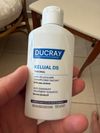
The conversation is about using another shampoo after Nizoral to improve hair appearance without reducing ketoconazole's efficacy. Users also discuss adding coconut oil to Nizoral to prevent hair dryness.
A user is considering using niacinamide serum on their hairline to address dandruff and itching caused by minoxidil. They seek advice on the frequency of application.
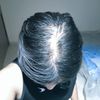
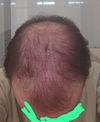
User shared personal hair loss treatment results using 0.5mg Fin daily, Min foam once a day, and Keto Shampoo twice a week. Significant improvement was observed, with others impressed and asking questions about the treatment.
The user shared progress in hair regrowth using oral finasteride, topical minoxidil, and ketoconazole shampoo every other day, noting no side effects from finasteride. They expressed satisfaction with the results and optimism for further improvement.
The user shares a 3-month hair loss treatment progress using finasteride, minoxidil, and ketoconazole shampoo. They plan to add a dermatologist pen to their routine for the next 3-6 months.
The conversation is about a hair loss treatment protocol involving microneedling, finasteride, RU58841, minoxidil, ketoconazole shampoo, and a scalp massager with oils. Some users advise starting with fewer treatments like finasteride, minoxidil, and microneedling to avoid potential side effects.
A 23 year old's 9 month progress with hair regrowth using finasteride, minoxidil and keto shampoo, and others sharing their experiences and results with similar treatments.
A user has been losing hair for two and a half years after a tropical trip and illness. A dermatologist prescribed betamethasone valerate 0.1% lotion, but the user is unsure if it's safe or effective for general hair loss.
The user is experiencing some hair regrowth after six months on oral minoxidil (3mg), finasteride (1.2mg), and using 1% ketoconazole shampoo twice a week, with no side effects. They are advised to consult a doctor before adjusting doses and to consider blood tests for vitamin and mineral levels.
The conversation discusses using olive oil, shampoo, conditioner, and moisturizer before applying minoxidil to combat the drying effects of alcohol in hair treatments. The user asks if facial moisturizer like Cetaphil is safe for the scalp.
The user is experiencing positive results in hair regrowth using a protocol that includes minoxidil, dutasteride, essential growth serum, argan oil, trioxidil shampoo, ketoconazole shampoo, and microneedling. They express hope and satisfaction with the progress after six weeks of treatment.
Hair regrowth after 13 weeks using topical minoxidil, oral finasteride, peptide shampoo, serum, and a red light hat. Some growth is attributed to a recent hair transplant.
A user with scalp psoriasis and hair loss is hesitant to use topical minoxidil and finasteride due to concerns about psoriasis and potential side effects. They are considering alternatives like pumpkin seed and saw palmetto.
User shared 12-month hair loss progress using oral minoxidil, oral dutasteride, and 2% ketoconazole shampoo. They detailed their medication regimen and dosages.
The conversation is about dealing with hair shedding due to seborrheic dermatitis and recent illness. Recommendations include treating seborrheic dermatitis with ketoconazole, correcting vitamin D deficiency, and improving sleep.
A straightforward hair loss treatment involves using Minoxidil twice daily, microneedling weekly, and using silicone-free shampoo. Shaving the head can simplify the routine, and consistency is crucial for effectiveness.
A user shared their 5-month hair loss treatment progress using 1mg finasteride, topical minoxidil, biotin, Nizoral shampoo, and weekly dermarolling. Replies noted the user's hair was already thick, and there was interest in trying topical minoxidil.
Shedding stopped for a user after trying various hair loss treatments without success, including Propecia and Minoxidil. The improvement occurred after starting CB (possibly a hair loss treatment), Eucapil, natural sprays with rosemary and cloves, and regular sauna visits.
The user is using a hair regrowth treatment plan that includes finasteride, microneedling, minoxidil foam, ketoconazole shampoo, and piroctone olamine shampoo. They are seeking advice on the effectiveness of their regimen and dosage of finasteride, and are curious about others' experiences with piroctone olamine.
The conversation discusses the availability of Breezula, a drug for hair loss, now being sold as an acne treatment, and whether it can be applied to the scalp. Users express skepticism about new hair loss treatments and suggest waiting for FDA approval.
Oral biotin combined with topical minoxidil may increase hair growth rate, though the study was limited to healthy subjects and did not measure hair density. Some users report personal benefits from biotin, such as faster nail growth and healthier hair, but concerns about acne and study quality were also mentioned.
Shampoos marketed for hair loss may not effectively prevent it, as they often focus on improving hair appearance rather than addressing underlying causes like androgenetic alopecia. Effective hair loss treatment typically requires DHT blockers like finasteride.
The conversation discusses treatments for scalp inflammation, suggesting options like scalp massage, changing shampoos, using aloe vera, Tgel, nizoral shampoo, topical cetirizine, and consulting a dermatologist. Finasteride was mentioned as helpful for reducing inflammation, but with side effects.
A user is seeking feedback on "Hair Gro" by New Nordic, which they are using alongside Rogaine, Nizoral shampoo, and castor oil for hair growth. They plan to update on their progress with the product, which contains ingredients like apple extract, millet extract, tocotrienols, tocopherol, L-Methionine, silicon, zinc, and biotin.
The conversation discusses hair loss treatments, including finasteride, Nizoral shampoo, peppermint/castor oil with saw palmetto, and plans to start oral minoxidil. The user seeks advice on managing scalp buildup and flakiness from topical minoxidil, especially for curly hair, and considers using both oral and topical minoxidil.