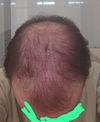
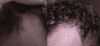
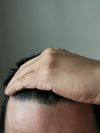
User shared 3-month progress using Minoxidil 5% and Finasteride 0.1%, switching brands after the first month. Replies suggest the progress is good, with concerns about patches and shedding.
The user reports using 2.5 mg oral minoxidil, 1mg finasteride, ketoconazole, and monthly dermarolling for hair loss over six months, and is asking if there's hair regrowth or stabilization. Another person suggests increasing dermarolling frequency, possibly using more dutasteride, topical minoxidil, or a retinoid cream to improve minoxidil absorption.
The user started using topical minoxidil and derma stamping for hair regrowth, along with multivitamins, biotin, and saw palmetto. Many suggest adding finasteride for better long-term results, but the user is hesitant due to potential side effects.
The conversation discusses whether a longtime NW7 scalp has vellus hairs under a microscope or is completely smooth. Treatments mentioned include Minoxidil, finasteride, and RU58841.
A 26-year-old man shared his positive results after 10 months of treating male pattern baldness using a regimen that includes Estradiol Enanthate, DHPA, Bicalutamide, Dutasteride, oral and topical Minoxidil, and a dermaroller. He experienced mild gynecomastia and reduced body hair as side effects but was satisfied with the outcome.
The post discusses a user's 6-month progress using topical finasteride (0.08%) and minoxidil (5%) once a day, combined with scalp micropigmentation (SMP). The user hopes for improved hair growth as they let their hair grow out.
A user struggles with male pattern baldness and a persistent tingling itch on their crown, trying various treatments like aloe vera, tea tree oil, and Nizoral without success. Another user suggests the itch might be psychosomatic, linked to worrying about hair loss.
New potential hair loss treatment uses molecules from hairy moles to stimulate follicle growth. Topical solution requires less frequent application, like Botox injections a few times per year.
The conversation discusses using minoxidil, finasteride, biotin, rosemary oil, and microneedling for hair regrowth, particularly around the temples. The user is seeking a permanent solution to improve hair density without ongoing intensive treatments.
The user is using a hair regrowth treatment plan that includes finasteride, microneedling, minoxidil foam, ketoconazole shampoo, and piroctone olamine shampoo. They are seeking advice on the effectiveness of their regimen and dosage of finasteride, and are curious about others' experiences with piroctone olamine.
The user reports positive progress in hair regrowth using 1mg oral finasteride, 3mg oral minoxidil, biotin, vitamin D, red light therapy, and microneedling. They note thickening at the hairline and some regrowth at the temples.
The user has been using Minoxidil and Finasteride for four years, added microneedling, and is considering increasing microneedling frequency and possibly using Dutasteride. They are seeking advice on improving hair regrowth and better tracking progress.
Applying minoxidil immediately after microneedling at 0.5mm can cause stinging and potential systemic absorption, so some users prefer to wait 12-24 hours. Others report no issues with immediate application, but caution is advised to avoid irritation and side effects.
A 28-year-old shared surprising hair regrowth progress after 20 days using topical minoxidil, micro needling, GHK-cu, and BPC-157 injections. The user noted a significant reduction in their bald spot and overall hair improvement.
A user reported using a 1mm derma stamp, rosemary oil, and pumpkin seed oil for 2 months and noticed baby hair growth where there was none before. They are questioning if this is real growth or just miniaturized hair.
The conversation discusses skepticism about the effectiveness of scalp tension theory and scalp massagers for hair regrowth, contrasting it with treatments like finasteride and minoxidil, which have more user-reported results. Participants question the belief in scalp tension theory, suggesting it may be a marketing tactic, while others argue for a multifactorial approach to hair loss.
Hopeful treatments for hair loss, including Verteporfin, Androgen Receptor Degradation, and SCUBE3. These treatments offer potential solutions to slow or stop the effects of androgens on the scalp.
The user is concerned about regrowing a plucked widow's peak and is considering using Minoxidil. They have been using the Growplex pack for a month without noticeable results.
A user experienced significant hair regrowth using topical minoxidil, water-soluble pumpkin seed oil, and saw palmetto. Despite not using finasteride, the user reported reduced hair loss and increased hair growth, especially around the temples and beard.