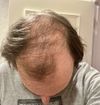
The user shared 6-month results using finasteride, minoxidil, ketoconazole shampoo, vitamin D, calcium, and biotin, showing significant improvement. Another user praised the results as excellent.
L-arginine may worsen hair loss by potentially increasing testosterone levels, especially in those with a DHT-sensitive gene. Users discuss the effects of increased nitric oxide on hair loss and consider stopping supplements like zinc and l-arginine to see if hair conditions improve.
The user experienced noticeable hair regrowth after using finasteride for 5 months and oral minoxidil for 3 months. They are considering adding microneedling to their routine and report no significant side effects.
Poor sleep quality may affect hair growth cycles by disrupting the body's natural clock and stress hormones. The focus should be on improving sleep to support overall health, including hair growth, rather than relying solely on treatments like Minoxidil, finasteride, or RU58841.
Switching from finasteride to dutasteride can lead to varied results, with some experiencing better hair regrowth and fewer side effects, while others continue to lose hair. Dutasteride is generally seen as more effective but has a longer half-life, potentially extending side effects.
A 24-year-old male has been using topical Minoxidil twice daily for nearly three months and is considering reducing the application to once daily. Users suggest adding finasteride or dutasteride for better long-term results and recommend combining treatments like microneedling, ketoconazole shampoo, and tretinoin for maximum effectiveness.
A 24-year-old male has been using 1mg finasteride daily, 5% minoxidil twice a day, ketoconazole shampoo, and dermastamping for hair regrowth, noticing progress in crown thickness and some temple regrowth. He is considering adding oral minoxidil to enhance results but is concerned about potential side effects.
Clascoterone 5% topical solution is effective and safe for long-term use in treating male pattern hair loss. Cosmo Pharma aims for EU and US approval, with a potential US release in late 2027 or early 2028.
A user shared their 5-year experience using minoxidil and finasteride, noting significant hair improvements without side effects. Consistency, a positive mindset, and lifestyle changes like a healthier diet and better sleep were key to their success.
There is an inconsistency between the molecular weight and formula listed on EveryChem's product page and the analytical PDFs for 3HP and PP30, suggesting a possible error in the product description. Concerns are raised about EveryChem's business practices and lack of transparency in testing and manufacturing.
Dutasteride in semen is considered a very small risk for partners, and fertility typically improves after stopping the medication. It is recommended to stop Dutasteride 3-6 months before trying to conceive to avoid potential impacts on fertility and fetal development.
Finasteride, Minoxidil, a laser helmet, and ketoconazole shampoo were used to improve hair health and manage hair loss. A gentle scalp care routine is emphasized for better results.
Creatine may cause hair shedding in some individuals, but there is no strong scientific evidence linking it to hair loss. Many users report personal experiences of increased hair loss with creatine, while others see no effect; OP is considering creatine while using finasteride and topical minoxidil for hair loss.
The conversation discusses using natural products like rosemary, tea tree, and aloe, along with a DIY coffee rinse to block DHT for hair regrowth, avoiding minoxidil and finasteride. Some users express skepticism about the effectiveness of natural remedies compared to conventional treatments.
The user experienced significant hair regrowth using finasteride and topical minoxidil but faced a setback with a second hair shedding. They switched to oral minoxidil and reported about 80% recovery of their previous gains after six months.
A 24-year-old male has been using finasteride for 7 months and noticed thinning hair, especially when wet, and is concerned about the effectiveness of the treatment. Suggestions include continuing finasteride, considering minoxidil, and possibly trying micro-needling.
OP is considering Bicalutamide for female AGA and TE but is concerned about its side effects and effectiveness compared to Finasteride. OP is also using Minoxidil and Spironolactone but is experiencing significant shedding and is unsure if it's androgen-driven or due to Minoxidil changes.
A user is starting a hair loss treatment with Minoxidil (5 mg oral and 10% topical), Dutasteride, and Zinc, and is concerned about the high dosages. Other users suggest following the dermatologist's advice, starting with topical treatments, and discussing dosage concerns with the doctor.
Liver problems may reduce the effectiveness of oral minoxidil due to impaired SULT1A1 enzyme activity, which is crucial for converting minoxidil to its active form. This reduction in enzyme function can significantly decrease the drug's effectiveness in promoting hair growth.
A 24-year-old male experienced significant hair regrowth after 10 months of using oral minoxidil and finasteride chewables from Hims, with no side effects. He noticed increased hair volume, especially at the front, and recommends trying the medication for hair loss.
A user shared their positive experience with hair regrowth using 1mg finasteride and 5% topical minoxidil daily, showing significant improvement in hair density over six months. The conversation includes supportive comments and questions about the treatment details, such as whether finasteride was taken orally or topically and if microneedling was used.
A user shared their positive experience using 1mg finasteride daily for two years to prevent further hair loss, with no side effects. They noticed gradual improvement after one year and have no plans to add other treatments like minoxidil.
Peppermint oil may increase hair thickness more effectively than minoxidil, but its effects are mostly studied in animals. Users report mixed results, with some seeing no regrowth and others noting slight improvements when combined with other treatments.
The user experienced significant hair regrowth using 1mg oral finasteride, DIM, and beetroot powder, while also focusing on gut health and reducing alcohol intake. Other users discussed the importance of iodine, fermented foods, and maintaining a balanced diet for overall health and hair improvement.
The user is experiencing significant hair loss and is considering treatments like minoxidil, finasteride, and possibly a hair transplant. They are advised to consult a dermatologist and consider oral minoxidil and dutasteride, while being aware of potential side effects and the need for ongoing treatment.
The user experienced severe hair loss despite using Minoxidil and Finasteride and is considering switching to Dutasteride. Others recommend consulting a dermatologist, checking for health issues, and trying Dutasteride and oral Minoxidil.
Hair loss is influenced by genetics and sensitivity to hormones like DHT. Treatments like Minoxidil and finasteride are commonly used, and baldness persists as it doesn't affect reproductive success.
PP405 shows promise in hair regrowth, potentially outperforming existing treatments like finasteride and minoxidil, with significant results in just four weeks. The treatment is still in early stages, with further trials needed to determine its long-term effectiveness and optimal dosage.
People on finasteride or dutasteride cannot donate blood due to the risk of birth defects if the blood is given to a pregnant woman. It's advised to stop finasteride for a month and dutasteride for six months before donating.