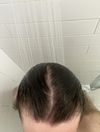
User shared progress pictures after 3 months using 5% topical minoxidil in the morning, 0.3% and 6% minoxidil topical spray in the evening, and Nizoral once a week. Photos show improvement in hair density.
The user used microneedling, zinc, vitamin D3, biotin, magnesium, saw palmetto, pumpkin seed oil, and a DHT-blocker shampoo with biotin for hair loss. They are considering adding minoxidil due to stagnation in progress.
A new product, Minoxidil booster, which enhances sulfotransferase enzyme activity in the scalp, is now available. The user has started using this product, applied before Minoxidil, to improve their hair loss treatment results.
A 25-year-old shared his 4-month progress using oral minoxidil, oral finasteride, a 1mm dermastamp, Nizoral, and upgraded shampoo and conditioner. He feels he sees some regrowth, though some commenters attribute the change to a different hairstyle.
GT20029 is discussed as a potential treatment for androgenetic hair loss by targeting androgen receptors, unlike finasteride which reduces DHT broadly. Concerns include its effectiveness, genetic variations in androgen receptors, and availability, with some skepticism about its potential as a true alternative.
Microneedling combined with minoxidil may promote hair regrowth, with some users reporting success using a 1.5mm dermaroller twice a week. Others have seen results with minoxidil alone or by increasing microneedling frequency.
A user is seeking a pharmacy to compound a topical solution containing Minoxidil, Finasteride, Alfatradiol, Melatonin, Latanoprost, and either RU58841 or Pyrilutamide. They prefer a professional compounding lab over DIY methods.
A 29-year-old is using 5% topical minoxidil, 5 mg oral minoxidil, 1 mg finasteride, Nizoral shampoo, and weekly microneedling to treat hair loss, reporting significant progress in hair regrowth and hairline improvement. The routine includes applying minoxidil twice daily, managing dead skin with shampoo, and using a baseball cap to maintain hair appearance.
A user discusses a hair loss treatment combining minoxidil and tretinoin, noting it may enhance absorption. Some users express interest and share positive experiences, while others question its effectiveness without medical evidence.
A South Korean company, Therazyne, has developed a promising hair loss treatment using a WNT chain surrogate that binds to Frizzled 7, with human follicle testing expected soon. Current treatments like minoxidil and finasteride are not seen as cures, and while optimism exists for future solutions like PP405, approval processes are lengthy.
PP405 shows promise in activating dormant hair follicles and increasing hair counts but lacks detailed efficacy data compared to minoxidil and finasteride. Opinions are mixed, with some optimism and skepticism about its effectiveness.
User shares 4-month progress using finasteride, minoxidil, and microneedling for hair loss. Others discuss body hair, hair transplant possibilities, and user's treatment response.
A 21-year-old experiencing itchy and burning scalp with hair loss was diagnosed with MPB and scalp inflammation. They were prescribed Ketoconazole, Prednisone, Clindamycin, and Finasteride, and are considering trying antihistamines, dietary changes, and "nopoo" to alleviate symptoms.
User shared 12-month hair loss progress using oral minoxidil, oral dutasteride, and 2% ketoconazole shampoo. They detailed their medication regimen and dosages.
A 20-year-old using 1 mg finasteride, 2 ml topical minoxidil, tretinoin, and microneedling for hair loss shows progress after three months, with thicker hair and temple regrowth. No side effects reported, and the user is considering switching to oral minoxidil.
The conversation is about the potential release of GT20029 on the grey market and concerns about its safety and authenticity. One user advises waiting for the official release by Kintor.
A non-binary transfeminine person experienced significant hair regrowth after starting finasteride, minoxidil, microneedling, and hormone replacement therapy with estradiol. They encourage trans individuals concerned about hair loss to consider estrogen as it has greatly improved their hair condition.
A user is taking 1 mg finasteride daily with nanoxidil and wants to know how to mix finasteride tablets into a 60 ml nanoxidil bottle for topical use. They are concerned about side effects and considering switching to topical finasteride.
A 21-year-old male is starting treatment for hair loss with 1mg Finasteride daily and 5% Minoxidil foam twice a day, along with other hair care products and supplements. He plans to document his progress monthly and is concerned about potential side effects from Finasteride.
A user shared their successful experience with hair regrowth and transitioning from male to female using minoxidil, finasteride, Nutrafol, microneedling, and hormone replacement therapy (HRT). They expressed gratitude for the results and encouraged others to explore treatments that align with their personal goals.
The user experienced hair thinning and used microneedling, DHT blocking shampoo, and Biotin DHT blocking oil to address it, avoiding finasteride and minoxidil unless necessary later. They reported mild improvement but received mixed feedback, with some suggesting other conditions or treatments like ciclopirox shampoo.
Microneedling is considered an important addition to hair loss treatments like Finasteride, Minoxidil, and Nizoral, with evidence suggesting it enhances Minoxidil's effectiveness and can improve hair growth on its own. Users discuss various microneedling techniques, including heavy weekly sessions and lighter daily sessions, while expressing concerns about potential scalp damage and discomfort.
Tressless GPT is now free and accessible for hair loss advice. Treatments discussed include Minoxidil, finasteride, RU58841, dutasteride mesotherapy, topical melatonin, microneedling, and rapamycin.
The user successfully managed hair regrowth by using a combination of finasteride, dutasteride, minoxidil, and specific shampoos to treat seborrheic dermatitis. They emphasize the importance of maintaining a healthy scalp and are considering food intolerance tests to further address inflammation.
Han Bio plans to start clinical trials for a new hair multiplication technology this year, which could significantly reduce the cost and time of hair transplantation. The technology uses a single hair strand to cultivate enough cells for 30,000 hair strands.
A user experienced hair regrowth after 3 months using finasteride, both topical and oral minoxidil, 0.5mm microneedling daily, and 300mg testosterone. They reported noticeable muscle gains and no side effects while being on testosterone replacement therapy.
A 31-year-old has been using finasteride for 1.5 years and microneedling for 6 months but hasn't seen improved hair density and is experiencing receding temples. They are considering switching to dutasteride or adding minoxidil to their treatment.