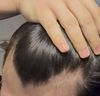
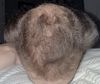
Users discuss using pyrilutamide for hair loss, seeking alternatives to 5AR inhibitors. They mention using minoxidil, ketoconazole shampoo, and RU58841.
PP405 shows promise in hair regrowth, with 31% of participants experiencing over 20% increase in hair density after 8 weeks. Phase 3 trials are expected in 2026, with potential market availability by 2029-2031.
The post discusses using a topical tincture containing zinc, azelaic acid, and other ingredients to inhibit 5 alpha-reductase activity for treating hair loss. The user plans to try this natural alternative before using finasteride or RU58841.
A user experienced puffy nipples and lumps from finasteride, leading to a dilemma between continuing treatment with potential surgery or accepting hair loss. They restarted finasteride at a lower dose with supplements but still face side effects and are seeking advice on whether to persist or stop.
The user discusses a galenic hair lotion containing progesterone, estradiol, cyproterone, hydrocortisone butyrate, and cetirizine pheniramine, which has effectively stopped their hair loss over two years. They are curious about the compatibility of finasteride with the lotion's components and note that their trichologist has successfully used minoxidil and finasteride in similar treatments for others.
An 18-year-old is maintaining a stable hairline using Minoxidil, topical finasteride (Fynzur), and Dermastamp, and is considering adding oral finasteride for prevention. They seek advice on whether starting oral finasteride early is necessary given their family history and current regimen.
A user shared their 8-month progress using dutasteride 0.5 mg and oral minoxidil 2.5 mg for hair loss, expressing disappointment with the results and considering increasing the dosage. Other users advised patience, suggesting that improvements can continue over time, and recommended consulting a dermatologist before making changes.
Pyrilutamide is believed to be more effective than RU58841 and 1 mg finasteride in treating hair loss, with no systemic hormonal effects and the potential to block more than 31% of scalp DHT. It may also antagonize scalp testosterone due to its action as an androgen receptor antagonist.
PP405 is seen as promising but uncertain, with users advised to continue using existing treatments like minoxidil and finasteride. Concerns include its cost, availability, and interaction with hair transplants, while some hope it could complement current treatments.
After a year on dutasteride and oral minoxidil, the user experienced significant hair regrowth, improving from Norwood 2 to almost Norwood 1. They added RU58841, microneedling, rosemary oil, GHK-Cu, and annurca apple supplement to their regimen and are now noticing hair loss in the temple area.
IGFBP‐rP1 shows potential for treating androgenic alopecia by influencing hair cycle transitions. Increasing IGF-1 levels may have similar effects to Minoxidil and 5-AR inhibitors in reducing hair loss.
The person is using 1mg of finasteride daily, 2mg of minoxidil, and weekly dermarolling with a 1mm needle. They sometimes use topical minoxidil as well.
Switching from finasteride to dutasteride, with additional treatments like minoxidil and tretinoin, has not improved hair loss and may have worsened it. Users report better results with finasteride, citing fewer side effects and lower cost.
A 32-year-old male with diffuse thinning and seborrheic dermatitis has been using finasteride for 8 months without improvement. He is considering COQ10 + PQQ supplements for scalp inflammation and hair loss.
A hair loss regimen involving Dutasteride, Oral Minoxidil, Mesotherapy, Topical Minoxidil/Finasteride, RU58841, Alfatridiol, Microneedling, LLLT, Keto shampoo, Vitamin K/D/Fish oil/Borage Oil/MSM, Oral Castor oil and Niacin. It also mentions products that have been dropped from the regimen due to not being worth the hassle or messing with libido.
The user is using 0.5mg dutasteride and 2.5mg minoxidil for hair loss and is considering additional treatments like microneedling and RU58841. They feel discouraged due to lack of progress on the crown/mid scalp but are advised to be patient and consistent, as improvements can take up to a year.
Oral hyaluronic acid is not beneficial for hair, as it gets broken down in the stomach and has no strong evidence supporting its effectiveness. The user is taking finasteride, dutasteride, and topical minoxidil for hair loss, but combining finasteride and dutasteride is considered redundant.
The user, on testosterone replacement therapy, found finasteride and minoxidil ineffective for hair loss. They are trying a new topical gel with dutasteride, tretinoin, and a higher concentration of minoxidil, and plan to document the results.
A 41-year-old shared 15 months of hair loss progress using Dutasteride, oral Minoxidil, RU58841, and weekly derma rolling or stamping, reporting no side effects. The treatments are working slowly but effectively.
A 43-year-old male with advanced hair loss is experimenting with alternative treatments, including red light therapy, microneedling, scalp massages, an oil mix, and ketoconazole shampoo, after previously experiencing side effects from finasteride and minoxidil. He noticed some minor changes with red light therapy but remains skeptical about significant improvement.
The user is concerned about hair loss despite using oral finasteride, oral minoxidil, and topical minoxidil. They are seeking advice on additional blood tests to identify potential causes.
A user is seeking UK-based sources for propylene glycol and ethanol to dilute topical finasteride for hair loss treatment. They currently order from MinoxidilMax but want a faster shipping option.
OP shared 9-month hair regrowth progress using 1mg finasteride, 5% minoxidil, 2% ketoconazole, and a dermapen. Users discussed side effects, application methods, and additional treatment suggestions.
The user switched from Finasteride to topical Dutasteride, Pyrilutamide, and Minoxidil due to hair loss, then decided to switch to oral Dutasteride because of pregnancy concerns. They are considering the frequency of oral Dutasteride use, with suggestions of using it a few times a week for better results and fewer side effects.
Akinfenrawr experienced negative side effects from oral finasteride and RU58841, and is seeking alternative hair loss treatments. They discuss various options, including raloxifene, oral dutasteride, liposomal finasteride, Breezula, Pyrilutamide, SM04554, and sulforaphane, but have concerns about efficacy, availability, and cost.
Female with PCOS experiences receding and thinning hair, wants dutasteride instead of spironolactone. Discusses desire to reduce DHT without losing libido.
A 31-year-old male shared his 3-year progress using finasteride 1 mg daily, with additional treatments including nutrafol, multivitamins, vitamin D, marine collagen, PRP scalp injections, micro-needling, and Nizoral. He experienced temporary libido issues but currently has no side effects.
The user experienced side effects from finasteride and Nutrafol, opting for non-hormonal treatments like minoxidil, exercise, and a healthy lifestyle. Others discussed using Dutasteride, Biotin, and minoxidil with varying success and side effects.
Minoxidil's effectiveness varies due to genetic differences in the SULT1A1 enzyme, affecting how well it converts to its active form, minoxidil sulfate. Hyper-responders may experience rapid hair growth and increased side effects, such as pericardial effusion, even at low doses.