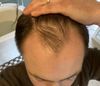
PP405 is a topical gel being tested for hair regrowth in adults with androgenetic alopecia. Volunteers aged 18-55 are needed for a 16-week trial in several US locations.
A 39-year-old user experienced hair regrowth using oral dutasteride, oral minoxidil, dermastamping, and Nizoral shampoo after switching from finasteride and topical minoxidil. They are hopeful for significant improvement in their receding hairline.
The user has been using 3mg oral Minoxidil and 1.1mg oral Finasteride for 15 months and plans to switch to 5mg oral Minoxidil, 1.1mg oral Finasteride, and 0.1mg oral Dutasteride. They have also used ketoconazole and salicylic acid shampoo for seborrheic dermatitis and hope to see more hair growth with the increased dosage.
Setipiprant and Fevipiprant are questioned for their effectiveness in hair maintenance, with skepticism due to lack of convincing results beyond vellus hair growth. The user is satisfied with Minoxidil and Finasteride but is curious about the potential of DP2 inhibitors.
The user is seeking an alternative solvent for pyrilutamide due to skin irritation from ethanol and propylene glycol. They experienced similar issues with topical minoxidil.
AMP-303 and AMP-601 are new hair loss treatments targeting dermal papilla cells, with AMP-303 showing early efficacy in transitioning vellus hairs to terminal hairs after one injection. Further clinical trials are planned, and these treatments are seen as promising due to their biologic approach and less frequent application compared to daily treatments.
The conversation is about gathering serum DHT data from individuals taking dutasteride to investigate its efficacy, especially in cases with unexpectedly low DHT reduction. The aim is to explore potential genetic factors affecting drug metabolism.
PP405 may not need daily use like minoxidil, but finasteride might still be needed to maintain hair regrowth. PP405 reawakens dormant hair follicles, potentially offering a long-term solution, though not a permanent cure.
A 30-year-old male has been experiencing hair loss despite using Dutasteride 0.5mg and PRP for 15 months, with no success. He is considering a hair transplant but is advised to stabilize hair loss first and explore other treatments like topical Minoxidil or combined therapies.
PP405 is a new hair loss treatment in phase 2 trials that may promote hair growth by increasing lactate production and activating hair follicle stem cells. It could potentially replace hormone-disrupting treatments like Minoxidil and finasteride.
A compound called MTP3 from the Monoterpene family was found to be safe and highly effective at treating hair loss by inhibiting the FGF5 gene, but its identity is undisclosed for commercial reasons. No specific treatments like Minoxidil, finasteride, or RU58841 were discussed.
P5P supplementation helped reverse finasteride side effects, particularly by lowering prolactin levels and restoring sensitivity. The user experienced significant improvement within a day and full recovery in a few days.
27-year-old female experiences aggressive hair thinning and hirsutism despite normal testosterone levels. Spironolactone and 2% minoxidil were ineffective; high DHEA sulfate levels may be the cause.
Pp405 is discussed as a potential hair loss treatment, with humorous suggestions about rectal administration for increased effectiveness. Users joke about unconventional methods and express willingness to try anything for hair regrowth.
RU58841 was the only treatment that slowed hair loss and reduced irritation for a DUPA sufferer after trying finasteride, minoxidil, and dutasteride with no success. The user continues using 6mg oral minoxidil, 0.5mg dutasteride, and an 8% RU58841 solution.
PP405 shows promise as a hair loss treatment, with 31% experiencing increased hair density in a short trial. It may complement treatments like finasteride and minoxidil, but long-term effectiveness and safety need confirmation.
The conversation discusses using P5P (Vitamin B6) supplements to reduce elevated Prolactin levels and concerns about its potential effect on increasing DHT levels. The user is not currently using finasteride or any anti-androgens.
Hair regrowth treatment involving 3aHSD enzyme shows 6% improvement in 18 weeks. Sulforaphane, L-Menthol, and Dexpanthenol are potential ingredients for new hair loss solution.
Rotenone, a natural plant extract, may promote hair growth by increasing LDH activity and blocking MPC in the scalp, but it carries risks due to its toxicity. The suggested formulation includes Barbasco extract, DMSO, propylene glycol or PEG-400, ethanol, and a carrier oil.
A user allergic to propylene glycol seeks alternatives for a DIY topical finasteride solution, considering glycerin or glycerol-based vehicles. Another user suggests a recipe using propanediol, DMSO, MCT oil, and peppermint oil, incorporating minoxidil, dutasteride, and finasteride.
DUPA and retrograde alopecia may not be solely DHT-based, and a biopsy is crucial for accurate diagnosis and treatment. Treatments mentioned include dutasteride, oral minoxidil, pioglitazone, clobetasol, calcipotriol, ketoconazole, and doxycycline, depending on the specific condition.
The user is concerned about low DHT levels due to using saw palmetto in Foligain supplements and is considering trying finasteride. They seek advice on whether finasteride will also lower DHT and how to manage DHT levels.
PP405 is discussed as a potential hair growth stimulant, possibly more effective than minoxidil, but not a cure for hair loss. There is skepticism about its ability to regrow "deadzones," and concerns about its impact on those with hair transplants.
PTD-DBM therapy for hair loss is being developed by Dr. Kang-Yell Choi, with human testing planned in South Korea. Some clinics in the U.S. offer PTD-DBM/valproic acid therapy, but it hasn't completed trials yet.
PP405, developed by Pelage Pharmaceuticals, can reactivate dormant hair follicle stem cells and increase hair growth by 20% in eight weeks, unlike minoxidil or finasteride. However, skepticism remains about its effectiveness and availability, with concerns about funding and the timeline for broader access.
A woman with AGA is using spironolactone, dutasteride, finasteride, oral minoxidil, bicalutamide, and anti-androgenic birth control but still experiences worsening hair loss. Steroid shots temporarily stop her hair shedding, leading her to question her biopsy results.
The conversation discusses using Rogain foam as a solvent for topical finasteride due to an allergy to propylene glycol. The foam's ingredients, including alcohol SD 40B, are considered suitable for dissolving finasteride for easier application without skin irritation.
A 29-year-old woman with genetic hair loss started using 0.5 dutasteride a week ago and has noticed increased shedding, no sexual side effects, and less oily skin. She plans to provide updates and is not concerned about potential birth defects as she doesn't plan to have more children.
PP405 shows promise for hair follicle reactivation with minimal side effects. Users recommend continuing Minoxidil and Finasteride until more results are confirmed.