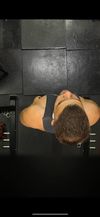
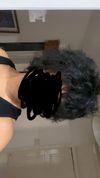
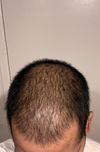
The user plans to use 1% Koshine826, 0.1% Alfatradiol, Minoxidil with Tretinoin, microneedling, and Stemoxydine for hair loss treatment. They expect significant recovery with this regimen.
A 30-year-old male experienced rapid hair shedding over 6-7 months due to stress, depression, and nicotine/alcohol use, but has since stopped these habits. He seeks advice on remedies, medications, or diet changes to address hair loss.
A new product, a retinoic acid solution (0.3%), is available to enhance minoxidil products like Rogaine and Kirkland by converting them into a tretinoin-containing solution for improved hair loss treatment. One unit of the product is enough for a year's supply.
The user is experiencing diffuse androgenic alopecia and is trying various treatments, including 5mg finasteride, loniten, and Formula 82D, which contains dutasteride, a steroid, and tretinoin. They report potential regrowth with Formula 82D, despite previous treatments being ineffective.
Tretinoin can make minoxidil more effective for hair loss treatment, but some users did not see improved hair density with this combination and had better results with dutasteride.
The user shared progress on hair regrowth using topical minoxidil, finasteride, dermastamping, and Nizoral shampoo. They noticed new baby hairs on the hairline after six months of treatment.
Dutasteride caused persistent hair shedding and no improvement for 18 months, leading to a switch back to finasteride. The user also uses oral minoxidil and plans to focus on better scalp health.
Oleic acid and ethanol are being considered for hair regrowth, with some users planning to self-experiment. There is skepticism about their effectiveness, and ongoing use of treatments like finasteride and minoxidil is mentioned.
The conversation is about finding an alternative hair growth stimulator for someone who cannot use Minoxidil due to heart issues. The person is currently using topical dutasteride, azelaic acid, and occasional microneedling, and is considering options like retinyl palmitate, latanoprost, certizine, or tadalafil.
The conversation is about seeking hairline regrowth results using RU58841, dermarolling, and Nizoral. The user cannot tolerate finasteride and finds minoxidil ineffective.
Finasteride and Nizoral shampoo with Ketoconazole are used for hair loss treatment. Liquid Chromatography–Mass Spectrometry (LC-MS) is recommended over Enzyme-Linked Immunosorbent Assay (ELISA) for more accurate DHT testing.
The user is experimenting with GHK-Cu and AHK-Cu to stop hair loss and promote hair growth, using a serum from Etsy and injectable GHK-Cu. They supplement this with dermastamping and ketoconazole shampoo.
A satirical post humorously discusses a fictional hair regrowth drug called PP405, with users joking about its effectiveness and bizarre presentation. The conversation includes humorous reactions and references to the absurdity of the content.
User switched from Fin to Dut for better hair loss results, using 0.5mg Dut and 1ml Min daily. Some discuss potential side effects and benefits of Dut compared to Fin.
The user reported progress in hair loss treatment using oral finasteride, keto 2% shampoo, and vitamin D. They experienced reduced hair fall, fewer scalp issues, and hope for improved hair density.
The user shares their experience with hair loss treatments, including oral finasteride, oral minoxidil, and a topical lotion for dandruff, expressing dissatisfaction with past treatments like PRP and hair transplants. They seek advice on a DNA test to determine suitable medications and express frustration with dermatologists' advice.
A user is seeking a new source for RU58841 in the EU after their previous supplier stopped selling it. They mention considering Anagen, Actifolic, Minoxidilmax, and rudirect, and are using a treatment mixing RU58841 with Stemoxydine and Alfatradiol.
The conversation is about testing the effectiveness of RU58841 for hair loss, with the user planning to increase their dose to 30 mg per day along with 20 mg of Minoxidil. The test results showed approximately 70 mg/ml, which the user considers a good result.
The conversation is about someone experiencing hair regrowth using Minoxidil and Dutasteride, along with other treatments. They report their hairline is improving and their forehead appears smaller.
A user shared their 6-month progress using daily oral dutasteride and minoxidil, along with monthly mesotherapy including zinc, dutasteride, minoxidil, biotin, and panthenol, reporting no noticeable side effects. Encouragement was given to continue despite potential hair shedding.
A user's 18-month hairline progress using minoxidil, finasteride, Nizoral, microneedling, and scalp massage. They share their routine and discuss treatment effectiveness and photo order confusion.
The user shared progress pictures after 4 months of using topical finasteride, minoxidil, and Nizoral, noting significant hair improvement. They apply minoxidil once daily with a head massager and use 1% Nizoral 3-4 times a week, reporting no side effects.
Creatine may contribute to hair loss in some individuals, even when using finasteride, minoxidil, and Nizoral. Despite mixed experiences, many users on the "big 3" report no significant hair loss from creatine, but individual results vary.
The conversation is about someone's 4-month hair regrowth progress using 0.5mg dutasteride and topical minoxidil. Another person is inspired and is using 5mg finasteride and 5% minoxidil topically twice daily, hoping for similar results.
The conversation is about choosing between Ketoconazole/Nizoral 1%/2% or selenium for dandruff. The user also mentions starting finasteride soon for androgenetic alopecia.
Oral PTD-DBM was discussed as a potential hair loss treatment, but it was deemed ineffective in humans despite promising results in mice. The conversation concluded that trying it without VPA might be unwise.
The user is seeking advice on their hair loss routine, which includes using Nizoral, Nioxin, T-gel shampoos, Equate 5% Minoxidil, and quartered Generic Proscar 5mg, along with microneedling. They are unsure about the frequency and order of shampoo use, the application of Rogaine, and the use of essential oils like sandalwood.
The conversation is about a user's hair loss treatment progress using a routine of Avodart (Dutasteride), oral and topical Minoxidil, Ketoconazole shampoo, and microneedling. The user reports no side effects and shows improvement after resuming consistent treatment.