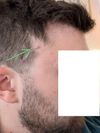
The conversation is about using finasteride and KX826 for hair loss treatment. The original poster is using 0.25 mg of finasteride every other day due to side effects at a higher dose.
A user humorously discusses their 10-month-old's hair loss, suggesting treatments like microneedling, minoxidil, finasteride, and RU58841. Replies include various satirical and exaggerated suggestions, emphasizing the post's satirical nature.
Using Microneedling 1xweek and Minoxidil twice a day as treatments for hair loss, along with DHT blockers such as Finasteride or Dutasteride. Advice was also given to not raise eyebrows when evaluating hair growth progress.
The conversation is about using Tretinoin with Minoxidil for hair loss treatment, discussing the effectiveness and personal experiences with different concentrations. The image linked in the post received negative reactions for being unpleasant.
Fish oil may not significantly improve hair health, but it is beneficial for overall health, especially for those who don't consume fish. Some users report better skin and less frizzy hair with omega-3 supplements, but no clear evidence of hair improvement.
Hair loss treatment involves gland treatment with iodine, liver extract, wild American ginseng, and black cohosh, along with crude oil scalp massage. The approach aims to stimulate hormones and improve blood circulation to promote hair growth.
The conversation discusses hair thinning potentially linked to gut health issues and suggests biotin as a possible treatment. It also mentions that hair thinning could be due to male pattern baldness (MPB).
The conversation discusses dosing for 1000mg Pumpkin Seed Oil tablets and compares its DHT-lowering effects to finasteride. The user considers splitting the tablets to achieve a 500mg dose.
A 19-year-old experiencing hair loss since 17 uses finasteride, minoxidil, dermaroller, ketoconazole shampoo, and oral castor oil, but sees little improvement. They seek advice on adding an anti-androgen, considering alfatradiol.
The conversation is about a person experiencing treatment-resistant androgenic alopecia despite using high doses of dutasteride and minoxidil, along with other treatments like microneedling and purilutamide. Suggestions include considering a hair transplant, checking medication authenticity, and exploring other treatments like RU58841 or topical estradiol.
The user started treating hair loss with minoxidil, Nizoral shampoo, dermarolling, and castor oil, and noticed small hairs growing at the temples. They plan to add biotin and azelaic acid to their routine but are avoiding finasteride due to potential side effects.
Scalp biopsies are crucial for diagnosing hair loss conditions like Diffuse Unpatterned Alopecia (DUPA) and retrograde hair loss, as treatments like finasteride and dutasteride may not be effective if other conditions are present. Combining PPAR-GAMMA agonists with retinoids could improve treatments for conditions like Lichen Planopilaris.
User noticed black dots along the hairline and temples, questioning if it's regrowth. They are using a regimen including Dutasteride, oral and topical Minoxidil, and a compounded topical treatment.
The conversation discusses the potential benefits of topical caffeine for Androgenetic Alopecia (APA) and female pattern hair loss. While some studies suggest positive results, there's no reliable scientific evidence to strongly recommend caffeine compounds for hair regrowth.
A user shared their haircare routine for hair loss, which includes washing with Nizoral, using Minoxidil and Finasteride, and seeking advice for better results. Other users discussed their own routines, including the use of vitamins, red light therapy, and varying dosages of Finasteride, with some expressing concerns about the harshness of Nizoral and the potential side effects of treatments.
A user shared their 5-month hair loss treatment progress using oral finasteride, Regaine foam, 2DDR serum, and microneedling, noting improvements in hair growth at the crown and front. They are considering increasing microneedling frequency or adding a shampoo to their routine.
Minoxidil helped with hairline regrowth, but stopping it led to hair loss, suggesting circulation issues. Dermarolling, collagen peptides, and oils like castor and rosemary are recommended for improving hair health.
The user has been using a combination of oral and topical minoxidil, topical finasteride, RU58841, Nizoral, and microneedling for hair loss treatment. They report improvement in hair thickness except for the crown area, which has not changed.
A 24-year-old male experienced hair loss despite using minoxidil and finasteride, later switching to dutasteride, higher-dose minoxidil, iron supplements, and derma stamping, which initially improved his condition. However, after moving to a stressful environment and undergoing minor surgery, his hair loss rapidly increased, particularly on one side of his temple.
A user shared their 11-year journey with alopecia, using finasteride, dutasteride, and a hair transplant. They encouraged others not to panic, noting that hair miniaturization can take over 15 years to complete.
Topical melatonin may help reduce hair loss and increase hair thickness in people with androgenetic alopecia (AGA), with some studies showing positive results. It can be mixed with minoxidil for application, and its effectiveness might be enhanced when used with micro-needling, but results may vary among individuals.
The user shared progress pictures showing hair loss improvement after using finasteride for about a year and plans to get a hair transplant in May, while also considering adding minoxidil to their treatment. They also mentioned using Nizoral and Neutrogena for dandruff, which may be related to the hair loss treatment.
A user's progress with treating their hair loss, including using finasteride, minoxidil, retinoic acid, dermapenning twice weekly and ket 2% shampoo two to three times per week. Other users offered advice such as not derma penning too often or shaving the area bald for a couple of months.
The conversation discusses a small patch of missing hair and whether treatments like Minoxidil, finasteride, or RU58841 could help. The user is seeking advice on addressing this specific hair issue.
A user's 18-month hairline progress using minoxidil, finasteride, Nizoral, microneedling, and scalp massage. They share their routine and discuss treatment effectiveness and photo order confusion.
Hair thinning possibly due to rapid weight loss and dietary changes, with no nutrient deficiencies found. The user is taking vitamins and considering seeing a hair specialist to promote regrowth.
The user is seeking Malassezia-safe treatments for hair loss and currently uses a baby shampoo, a scalp tonic with antifungal ingredients, and aloe gel. They consider using Kirkland Minoxidil 5% drops and possibly consulting a doctor about Finasteride.