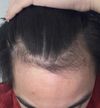
Microneedling may have benefits for hair loss even if only using oral finasteride without minoxidil. The effectiveness of microneedling without minoxidil is debated.
A 22-year-old has been using minoxidil and finasteride for four years with limited success and recently added microneedling to their regimen. They have seen some hair regrowth and are advised to continue using minoxidil alongside microneedling and consider lifestyle factors like diet and stress.
The user has been treating hair loss for 7 months using a combination of pyrilutamide, a topical mix of finasteride and minoxidil, microneedling, a topical mix of GHK-Cu and minoxidil, ketoconazole shampoo, fish collagen peptides, zinc, and vitamin D3. Another user suggests that continuous small improvements could lead to significant hair regrowth over time.
The user is experiencing a strange hair loss pattern despite using dutasteride for 3 years and minoxidil with tretinoin for 1.5 years. They recently added microneedling and are considering a scalp biopsy to understand the cause.
The conversation discusses a five-year hair maintenance routine involving microneedling, minoxidil, finasteride, biotin, and thickening shampoo. Opinions vary, with some seeing maintaining hair as a success and others expecting more visible results.
The conversation is about hair loss treatments, focusing on minoxidil and finasteride, with suggestions for microneedling and dermarolling to improve hair thickness. The original poster has used minoxidil for four years and finasteride for over a year but is exploring additional options for better results.
The user successfully reduced hair loss using pumpkin seed oil, Nizoral shampoo, and astaxanthin without using minoxidil or finasteride. They observed significant improvement over 12 months and believe the combination of treatments is effective.
A user shared their hair regrowth journey, using minoxidil, finasteride, pumpkin seed oil, dermarolling, and scalp massages. They experienced side effects but saw significant improvement in their hairline.
The user documented their hair treatment journey from 2018 to 2025, primarily using dutasteride after initially trying topical minoxidil in 2023. They saw noticeable regrowth in the temple area after two months and experienced some shedding after stopping minoxidil.
A user experienced positive hair regrowth using oral and topical minoxidil, oral dutasteride, microneedling, and supplements. They noted improved hairline and temple density with minor side effects like a few forehead pimples.
A 43-year-old from Thailand shares progress after 1 month using topical finasteride, minoxidil, tretinoin cream, and weekly microneedling for diffused thinning. Users compliment his appearance and suggest he doesn't need treatment.
A user's progress with treating their hair loss, including using finasteride, minoxidil, retinoic acid, dermapenning twice weekly and ket 2% shampoo two to three times per week. Other users offered advice such as not derma penning too often or shaving the area bald for a couple of months.
A user shared their positive experience with hair regrowth using 1mg finasteride and 5% topical minoxidil daily, showing significant improvement in hair density over six months. The conversation includes supportive comments and questions about the treatment details, such as whether finasteride was taken orally or topically and if microneedling was used.
A user shared a 3-month progress picture showing hair regrowth using 5% Minoxidil and microneedling, but not taking Finasteride. Some users are surprised by the quick results, and there's a discussion about the effectiveness of frequent deep microneedling.
The user shared their 6-month progress using 5mg oral minoxidil, 1mg oral finasteride, topical 5% minoxidil, tretinoin, and weekly microneedling, noting improved results after adding these treatments post hair transplant. They hope for continued improvement.
User shared successful hair regrowth results using Minoxidil and Microneedling with a Dr. Pen M8 model. Discussed routine, needle depth, and frequency for optimal results.
The conversation discusses a 5-month hair loss treatment regimen including finasteride, minoxidil, RU58841, dermapen (1.7mm), and ketoconazole shampoo, with noticeable hair regrowth. One user notes the hair appears thicker, while another mentions RU58841 is not doctor-recommended.
A user's progress with hair loss treatments, including Dutasteride, Minoxidil (oral and topical), Microneedling, and RU58841, which resulted in positive results after 5 months. Another user commented on the faster growth at the front compared to the crown.
A user's 3-month progress with a combination of finasteride, minoxidil and dermarolling for hair loss; other users shared their experiences and advice.
A 32-year-old is seeing positive hair regrowth after nearly three months using finasteride, oral and liquid minoxidil, and microneedling, and plans to add RU58841. They are considering switching to dutasteride and possibly a hair transplant in the future.
The user discusses their experience with diffuse unpatterned alopecia and acquired progressive hair kinkering, noting improvements with treatments including biotin, pantothenic acid, finasteride, ketoconazole, and zinc pyrithione shampoo. They report thicker, healthier hair and improved scalp condition, attributing success mainly to biotin, pantothenic acid, and finasteride.
The user shared progress pictures showing significant hair regrowth after 6 months of using 1mg finasteride and 2.5mg minoxidil, with no side effects reported. They added Nizoral to their routine to address an itchy scalp.
The post is about a user's progress with using finasteride, minoxidil, and dermarolling for hair loss. The conversation includes comments about different treatments and methods used.
User shared progress with 3 months on topical minoxidil, 1 year on finasteride, and micro-needling every couple of weeks. Others praised hair growth and shared reactions.
Hair loss treatments discussed include microneedling, minoxidil, tretinoin, finasteride, dutasteride, pumpkin seeds, saw palmetto, and scalp massage. The consensus is that finasteride or dutasteride is necessary for significant regrowth, while other methods may only slow hair loss.
User has been using minoxidil 6%, finasteride 0.3%, tretinoin 0.025%, and microneedling twice a week for 2.5 months. They are considering switching to oral treatments.
A user in their 20s is experiencing hair growth after two months of using minoxidil and finasteride, focusing on the hairline and temple areas. They also addressed vitamin deficiencies (B12, D3, and iron) and are considering additional treatments like derma stamping.
A 27-year-old shared a 90-day hair loss treatment update using Dutasteride, Minoxidil, Tretinoin, Ketoconazole, and microneedling, reporting positive results with improved hairline and density. They experienced minor side effects and noted a decrease in hair shedding.