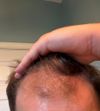
The conversation highlights the general public's lack of knowledge about hair loss, with various ineffective remedies suggested, such as not wearing hats or using hair fibers. The only effective treatments mentioned for male pattern baldness are medications like minoxidil and finasteride, and hair transplants.
The progress of a user who has been using Minoxidil, micro needling and ketoconazole shampoo for 3 months to improve their hair and confidence; other users have suggested different treatments such as DHT blockers or finasteride.
A 23-year-old stopped using finasteride due to sexual side effects after three years. The discussion covers experiences with finasteride, dutasteride, and other treatments, noting varied side effects and effectiveness.
A user is concerned about starting finasteride due to negative reports and potential side effects. Other users suggest talking to a doctor, considering personal tolerance, and note that side effects are rare.
The conversation discusses skepticism around claims that dutasteride worsens hair loss, with some users suggesting misinformation or panic during shedding as reasons for such claims. One user shared their negative experience with dutasteride, including increased sebum production and hair loss, and is now considering a higher dose of oral minoxidil after stopping dutasteride.
The conversation is about a user sharing their hair transplant results and seeking feedback. They are taking finasteride, minoxidil, oral minoxidil, vitamins, and using special shampoo to maintain their hair.
The conversation is about young men under 20 experiencing hair loss. They discuss their experiences and treatments used, including finasteride (fin) and minoxidil (min).
A user is asking if a clinic charging $640 for 12 months of hair loss treatment, including their own minoxidil and checkup sessions, is reasonable. They are considering buying minoxidil online instead.
The conversation is about different treatments for hair loss, including minoxidil, finasteride, RU58841, and dermarolling. The conclusion is that RU58841 and dermarolling have shown efficacy in treating hair loss through different pathways.
.
This conversation was about hair loss treatments, with suggestions ranging from topical minoxidil and coconut oil to finasteride and microneedling. Several users suggested shaving off the remaining hair as a last resort.
Stopping minoxidil will likely result in losing any gains made from its use, potentially returning hair to its pre-treatment state or worse due to ongoing hair loss. The user plans to continue using finasteride and undergo a hair transplant, hoping it will compensate for any loss from stopping minoxidil.
The conversation discusses hair loss treatments, including minoxidil, finasteride, and dutasteride, with users sharing experiences and side effects. Some users express concerns about side effects like libido issues, while others mention alternative treatments like bee venom and dermarolling.
A hair transplant without using finasteride or similar medications may lead to unnatural results and further hair loss. Financially capable individuals are advised to stabilize hair loss with medication before considering a transplant.
A 42-year-old had 2,100 grafts transplanted to the frontal third of the scalp, using treatments like Dutasteride, oral Minoxidil, ketoconazole shampoo, dermarolling, and PRP. They plan to add RU58841 and have scheduled SMP to improve cosmetic results.
User shares 6.5 months of progress using topical finasteride 0.1% and minoxidil 10%, along with lasercomb, dermaroller, Nizoral, scalp massager, and biotin. They seek feedback on their results.
A 34-year-old male documents his hair growth journey using the iRestore Elite laser cap, biotin, and Pure Synergy Organic Superfood Capsules, after unsuccessful hair transplant and previous treatments with minoxidil and finasteride. Replies suggest using finasteride or dutasteride instead and caution against excessive use of the laser cap.
User had a hair transplant in 2016 but stopped taking finasteride due to side effect concerns. Now considering another transplant and starting finasteride, minoxidil, and microneedling to improve hair situation.
User pancake9001 experienced minimal hair growth with Minoxidil for 3 years, but noticed dramatic hair loss after stopping. Replies suggest not stopping Minoxidil and considering adding an anti-androgen for better results.
Finasteride, dutasteride, and minoxidil are discussed as effective hair loss treatments, with mixed opinions on their use and side effects. The conversation highlights a divide between supporting medical treatments and accepting baldness.
User on fin, minox, and ketoconazole seeks to add another topical anti-androgen. Hierarchy of effectiveness: 1. RU55841, 2. Fluridil - Eucapil, 3. CB-03-01 - Breezula, 4. Ketoconazole; alfatradiol suggested as addition.
28M shares hair transplant results 6 months after 3633 grafts via FUE by Dr. Rahal in Ottawa, costing ~$24k CAD. Users discuss the impressive results, procedure experience, and cost breakdown.
A 21-year-old's hair loss journey which involved using Minoxidil twice daily, finasteride 1mg/day, and PRP treatments every month for 2 months with the results seen in two videos; as well as beliefs about no poo concept.
Thomas Sowell's youthful appearance at age 95, with comments on his hair and overall looks. Some suggest using treatments like minoxidil and finasteride to maintain hair.
The user experienced significant hair regrowth using oral and topical minoxidil, dutasteride, and microneedling, with natural hair returning despite previous baldness and transplants. The treatment appears effective, as hair has darkened and increased in length.
The user regrets their hair transplant after 5 months due to patchy and thin hair, despite starting finasteride at the same time. Many recommend waiting 12-18 months for results and using finasteride and minoxidil before and after the transplant.
Hair transplant recipients are concerned about whether dormant follicles are permanently damaged by incisions, but some believe undamaged follicles could still regrow if a treatment like PP405 is effective. Opinions vary on the impact of transplants on original follicles, with some suggesting treatments like finasteride can help regrow hair.
A user shared their hair transplant update, having received 4,300 grafts and choosing not to use medications like finasteride or minoxidil due to potential side effects and personal reasons. Many commenters expressed concern that without these medications, the user might experience further hair loss, suggesting that preventative treatments are important for maintaining transplant results.
The user had a hair transplant five years ago and started using minoxidil three months ago. Commenters recommend adding finasteride or other DHT blockers to prevent further hair loss and maintain results.
The conversation discusses hair loss treatments, focusing on the use of finasteride and minoxidil. It suggests starting with finasteride alone to assess its effectiveness before adding other treatments like minoxidil, while noting that biotin and caffeine shampoo are unlikely to help unless there's a deficiency.