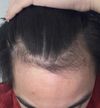
An 18-year-old is concerned about their visible hairline and low hair density when considering a buzz cut. They are worried about potential negative reactions.
A 17-year-old is experiencing rapid hair loss from NW1.5 to NW3 in six months and feels dermatologists are unhelpful. They are using Minoxidil (Rogaine) and seeking advice on application.
Hair loss matters, but focusing on self-improvement like working out, using treatments like minoxidil and finasteride, and building confidence can help. People often suggest extreme solutions like becoming a millionaire or bodybuilder, but practical steps are more beneficial.
The conversation discusses hair loss treatments, including the use of minoxidil, finasteride, dutasteride, RU58841, and Nizoral. Participants emphasize the importance of finasteride and minoxidil, while also considering factors like diet, stress, and scalp health.
The conversation discusses changes in scalp texture and appearance in areas of hair loss, with concerns about the suitability of these areas for hair transplants. Users mention issues like fibrosis, inflammation, and thinner skin, advising caution and consultation with clinics before proceeding with transplants.
The conversation is about someone planning to use cb-03-01 for hair loss because they experience side effects with other treatments like finasteride, minoxidil, and RU58841. They have not found progress pictures online and are considering sharing their own experience with cb-03-01, which is expensive.
The conversation discusses a hair loss treatment involving oral minoxidil, topical finasteride, and a custom topical formulation with minoxidil, cetirizine, finasteride, progesterone, and hydrocortisone. The user seeks advice on the effectiveness of these ingredients for diffuse thinning.
The conversation is about a user experiencing accelerated hair loss after starting vitamin D3 supplements, suspecting a link between the supplement and increased DHT levels. The user decides to stop taking the supplements, preferring natural sources of vitamin D.
Taking care of hair condition through the use of shampoo, conditioner, oils and scalp scrubs, as well as advice on using Nizoral and Naturebox Olive Shampoo. Replies also included discussion about whether a bad shampoo could be causing hair loss.
The conversation discusses the appearance and testing of RU58841 powder for hair loss treatment. Users also mention side effects of RU58841 and suggest alternatives like dutasteride and minoxidil.
The user has seen great results from microneedling but is worried it might lead to faster balding without medication. They are considering adding Finasteride or Dutasteride to their routine to address underlying DHT issues.
The user "Zealousideal-Pack340" shared their 5-month results on a natural hair loss treatment protocol, which included massages, vitamins, green tea, and pumpkin seeds. Some users suggested using medications like finasteride and minoxidil for better results, while others criticized the effectiveness of natural remedies. Overall, there was no clear consensus on the progress of the user's hair regrowth.
The post discusses a theory that hair regrowth after transplant is due to the angiogenesis process (new blood vessels forming), not because the transplanted hair is unaffected by DHT. The responses highlight the established belief in 'donor dominance' (the importance of the hair's origin in transplantation) and skepticism about the new theory.
Hair loss treatments like Dutasteride, RU58841, Finasteride, and Minoxidil are discussed, with skepticism about their effectiveness without photographic evidence. The conversation humorously critiques the reliance on anecdotal evidence for these treatments.
Human pluripotent stem cells have been used to create hair and skin, potentially offering a new solution for baldness. A user also mentioned starting finasteride but experiencing unexpected hair thinning.
A user shared their experience with hair regrowth using supplements like NAC and DIM, and briefly using minoxidil with microneedling. They reported some improvement in hair density, but the community questioned the effectiveness compared to traditional treatments like finasteride.
The user experienced increased hair loss and scalp itchiness despite using finasteride and plans to resume minoxidil and start microneedling. They are considering using clay, Aveda thickening tonic, and a beanie to manage the appearance of thinning hair.
The conversation discusses why CB-03-01, a potential hair loss treatment, isn't widely discussed despite evidence of its effectiveness and safety. Some users mention other treatments like melatonin, procianidin b2, and RU58841, debating their effectiveness and safety.
The conversation discusses using tretinoin for hair loss and whether applying SPF on the scalp is necessary if hair covers the treated areas. The user is considering this treatment despite having no completely bald patches.
The conversation discusses the importance of early action in various aspects of life such as healthy eating, skincare, fitness, sleep, financial planning, and career development to prevent future health issues, regret, and financial hardship. Specific treatments mentioned include using sunscreen and tretinoin for anti-aging skincare.
The conversation discusses using 2.5mg dutasteride, 0.5mg dutasteride with topical treatments, and other combinations like oral minoxidil, RU58841, and microneedling for male pattern baldness. Users share experiences and suggest various treatment regimens, emphasizing the effectiveness of dutasteride and minoxidil.
User discusses potential hair loss treatment SCUBE3 and shares mixed opinions on its effectiveness. One user reports positive results after applying SCUBE3 following microneedling.
The user has been using topical minoxidil for over a year and added kx826/pyrilutamide to improve hair growth, avoiding finasteride due to side effects like lowered libido and panic attacks. They report positive results with reduced shedding and healthier hair, particularly in areas previously unresponsive to minoxidil.
The conversation humorously discusses a person with an unusually thick head of hair, with some users joking about using treatments like Minoxidil and finasteride. Many express envy or disbelief, while others suggest a haircut or comment on facial features.
The conversation is about a 53-year-old man's struggle with hair loss and the various perspectives on balding. It also mentions the use of finasteride as a hair loss treatment.
A user likes a natural hair styling product that makes their hair look thicker and is seeking opinions on whether it could harm hair follicles. They also question if cold water is sufficient to wash the product out and mention they are experiencing hair thinning.
The conversation discusses personal experiences with hair loss and highlights the potential impact of anemia and nutrient deficiencies on hair health. Treatments mentioned include changing shampoo/conditioner, taking MSM, collagen, hyaluronic acid, astaxanthin, B12, folate, and bovine blood capsules.
The user discussed their experience with hair loss treatments, including finasteride, RU58841, Nizoral, supplements, dermarolling, and minoxidil, which caused significant edema. They also experimented with dutasteride, which led to increased hair loss, and found that Armodafinil reduced minoxidil-related water retention and hair shedding.
The conversation discusses why personal stories about hair loss treatments like Minoxidil and finasteride are often taken more seriously than scientific evidence in certain forums. People tend to believe what they want and use others' experiences to support their own views on treatment effectiveness and side effects.