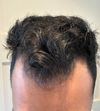
A 26-year-old shared their 2-month progress using finasteride, minoxidil, microneedling (1mm weekly), and vitamin D3 for hair loss. They are pleased with the results.
Minoxidil may not be effective due to low sulfotransferase activity, and the user considers adding tretinoin to the regimen. They are unsure about the timing and combination with microneedling.
The user has been using 5% Minoxidil twice daily, microneedling, and Nizoral shampoo for three months with noticeable progress. They are considering adding finasteride but currently take saw palmetto due to concerns about side effects.
Microneedling with needle lengths of 1.5mm to 2.5mm to stimulate hair follicle stem cells for potential hair growth. Using needles longer than 2.5mm is not recommended due to risk of puncturing veins in the scalp. A dermastamp is suggested over a roller.
Significant hair regrowth was achieved using 1mg finasteride daily, 5% minoxidil nightly, and weekly 1.5mm microneedling, with no side effects. Topical minoxidil and microneedling are recommended for similar results.
User discusses topical liposomal finasteride for hair loss, hoping to avoid breast growth side effect. Conversation includes using minoxidil, fluridil, and dermarolling, and mentions minimal systemic absorption of liposomal finasteride.
The user is using 1mg Finasteride daily and ketoconazole shampoo twice weekly for hair regrowth, with noticeable improvement. They are considering adding Minoxidil to their regimen.
Nutrafol helps improve hair thickness and hairline but may have potential health risks like liver damage and increased prostate cancer risk. The user plans to continue Nutrafol at a lower dosage while managing seborrheic dermatitis and considers future use of topical finasteride, minoxidil, rosemary oil, and microneedling.
A user shared their hair loss journey, showing improvement after starting finasteride, dutasteride, minoxidil 5%, and microneedling. They are curious about their degree of baldness and why their hair has thinned.
The user shared their 6-month hair loss progress using topical minoxidil, oral minoxidil, finasteride, and microneedling. They noted thicker eyebrows and eyelashes but also increased body hair.
The user is considering a hair transplant after 4 years of using finasteride, minoxidil, microneedling, and scalp massages for hair regrowth. Opinions differ, with some suggesting continuing current treatments and others recommending a transplant to reduce maintenance.
A 26-year-old is starting a hair loss treatment using 1mg oral finasteride daily, 5% topical minoxidil foam twice daily, 2% ketoconazole shampoo weekly, and microneedling once a week. They noticed worsening hair loss over the past year and are seeking advice.
A 42-year-old had 2,100 grafts transplanted to the frontal third of the scalp, using treatments like Dutasteride, oral Minoxidil, ketoconazole shampoo, dermarolling, and PRP. They plan to add RU58841 and have scheduled SMP to improve cosmetic results.
The user has been using a hair loss treatment protocol including topical dutasteride, minoxidil with tretinoin, ketoconazole shampoo, microneedling, a laser cap, and vitamin D for 15 weeks, showing impressive progress. Feedback suggests continuing medical therapy for 12-24 months before considering a hair transplant.
A user shared their 90-day progress using a topical gel with 0.25% finasteride and 5% minoxidil, along with derma stamping and Ketoconazole shampoo, noting improved hair density. Another user suggested considering a hair transplant as a priority.
User reports 12-week progress with HIMS spray, Minoxidil, micro-needling, and biotin. Notable baby hairs on crown and temples, hoping for further improvement.
The user has been microneedling for 4 weeks and using treatments like minoxidil and eclipta alba oil, seeing positive but slow results. They are considering peppermint oil as a potentially more effective alternative to minoxidil.
Microneedling may not significantly help those who don't respond to topical minoxidil, and some users suggest trying oral treatments like oral minoxidil or finasteride. Concerns about scarring and side effects are noted, with mixed experiences reported.
A 23-year-old male with slight hair thinning is using ketoconazole shampoo, biotin, zinc, magnesium, D3/K2, and has just started topical finasteride (0.0125%). He plans to add minoxidil (4.5%) with 17α-estradiol and is seeking advice on the effectiveness and side effects of these treatments, as well as the use of a dermaroller.
A user shared their hair loss treatment regimen, which includes minoxidil, finasteride, ketoconazole shampoo, stemoxydine, and microneedling, and reported promising results. Other users complimented the progress.
A 23-year-old experiencing diffuse hair thinning has chosen a treatment stack including topical finasteride, a blend of rosemary, peppermint, and pumpkin seed oils, procyanidine B2 spray, ketoconazole shampoo, and scalp massages. They avoid minoxidil due to family history of side effects and oral finasteride due to high estrogen levels.
The user is using finasteride, minoxidil, and microneedling for hair regrowth and has noticed some improvement after nine weeks. They report no significant side effects and plan to continue the treatment to see further results.
The user is experiencing hair loss and is using topical finasteride, rosemary oil, caffeine, microneedling, low-level laser therapy, scalp massages, ketoconazole shampoo, and various vitamins and supplements. They are concerned about potential gynecomastia and are considering using minoxidil if current treatments do not stop hair loss or promote regrowth.
The conversation discusses hair regrowth efforts using minoxidil, microneedling, ketoconazole shampoo, and saw palmetto shampoo, with suggestions to add finasteride or dutasteride for better results. Some users notice slight improvement, but many recommend starting finasteride or considering a hair transplant for significant progress.
The user tried non-finasteride treatments for a year with little success, but has seen some improvement in hair thinning after 10 months using topical finasteride/minoxidil. They also use microneedling, Nizoral, rosemary/castor oil treatments, and maintain a nutrient-rich diet.
A 37-year-old user shared their positive 3-month progress using a topical solution of 5% minoxidil and 0.25% finasteride, combined with weekly microneedling and Nizoral shampoo. They reported no significant side effects and emphasized the importance of consistency and microneedling for hair regrowth.
People with diffuse thinning and retrograde hair loss are discussing treatments like finasteride, minoxidil, and dutasteride, with some reporting improvements and others experiencing issues like scalp inflammation and increased sebum. Suggestions include addressing scalp inflammation, considering gut health, and possibly using topical antiandrogens or micro-needling.
A user reported significant hair regrowth after 3 months using 1mg oral finasteride, 1ml 5% topical minoxidil, and microneedling, along with biotin, vitamin D, iron, and zinc supplements. They are optimistic about continued progress despite initial skepticism.