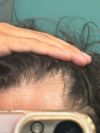
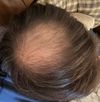
The conversation is about using a blend of coconut oil, peppermint oil, and rosemary oil with minoxidil for hair loss, and whether it's safe to apply this blend after microneedling.
GHK-Cu peptide injections are discussed for hair growth, but users report mixed results and suggest focusing on DHT management first. Some users combine GHK-Cu with treatments like Minoxidil and Dutasteride, but emphasize its benefits for skin rather than hair.
PP405, a topical LDH inhibitor, has shown to stimulate hair follicle stem cell proliferation in humans with moderate hair loss. They are advancing to more detailed trials this year.
The conversation discusses the use of a derma roller versus a derma stamp for microneedling to prevent hair loss. The user has been using topical minoxidil for 2 months without results and seeks advice on needle length.
Exosomes are discussed as a new hair loss treatment, but skepticism is expressed about their effectiveness. Other treatments mentioned include Minoxidil, finasteride, and RU58841.
A user considered using Nanoxidil for hair loss, applying it daily and dermarolling weekly, but stopped after a few months due to lack of motivation and minimal results. They experienced no irritation or side effects and decided against using finasteride.
Microneedling for hair regrowth, using a 1.0 dermastamp, is discussed with a focus on achieving slight redness without bleeding. Minoxidil is mentioned as an effective treatment when used after dermastamping.
A user who has experienced two years' progress on finasteride 1mg daily, combined with 3 months of micro-needling, and their experiences with hair loss. Other users have commented offering advice and support based on their own experiences.
Current treatments like finasteride, minoxidil, and derma rolling are considered the best for hair loss, while new treatments such as GT20029, PP405, and others are in various trial phases with results expected in the coming years. There is cautious optimism about the affordability and effectiveness of these upcoming treatments.
Hair transplants for NW7 individuals are challenging due to limited donor hair, often resulting in thin coverage unless body or beard hair is used. Treatments like minoxidil and finasteride are mentioned to support hair density and growth.
The conversation discusses the potential of Verteporfin for hair regeneration and improving hair transplant surgery to leave no scars. Specific treatments mentioned include Minoxidil, Finasteride, and RU58841.
The conversation is about adding dermarolling to a hair loss treatment routine. The user seeks recommendations for dermarollers, stamps, or pens, emphasizing the importance of quality and proper cleaning.
A user is experiencing uneven hair thinning and has tried topical minoxidil without success and finasteride with adverse effects. They are considering microneedling and PRP treatments while avoiding finasteride, and another user suggests trying dutasteride as an alternative.
A 30-year-old shared their 7-month hair regrowth progress using topical minoxidil twice daily, 1 mg finasteride daily, and weekly microneedling. Users discussed the effectiveness of these treatments and suggested adding retinol for better results.
Nandrolone is discussed as a potential treatment for hair regrowth, with some users noting its effectiveness but also its risks, such as organ damage and cardiovascular issues. It is suggested not to be used with finasteride, and some users are experimenting with alternative hormone therapies for hair thickening.
Ordering Pyrilutamide from Minoxidilmax to use as an experimental topical treatment for hair loss, with discussion of the carrier used in trials and encouragement from other users.
AMP-303, a new injectable treatment for androgenetic alopecia, showed promising results in increasing hair count and density with minimal side effects. The treatment demonstrated significant hair regrowth and durability, offering new hope for those with hair loss.
The user is treating diffuse thinning with finasteride, dutasteride, and oral minoxidil but hasn't seen significant improvement. Others suggest that results vary, with some maintaining hair and others considering transplants or future treatments.
The post and conversation are about skepticism towards a new hair loss treatment containing 2-deoxy-D-ribose, copper peptides, and exosomes, with concerns about the legitimacy of the product and its website. The treatment's effectiveness and authenticity are questioned due to lack of testing and transparency.
The user reported 4 months of using 0.5mg finasteride and 6 months of microneedling, Nizoral, and topical melatonin. They saw improvement on the left side but no improvement on the right side and are hesitant to start minoxidil.
The user shared a 4-month hair loss treatment update, using Kirkland liquid minoxidil twice daily, microneedling with 1.5mm and 0.5mm needles, and applying rosemary oil twice a week. They plan to start taking finasteride and also grew a beard by microneedling and applying minoxidil to their face.
A user's 3-month update on their hair loss treatment, which consists of topical Minoxidil (6%), topical Finasteride (0.3%) and microneedling 1.5mm weekly; other users shared positive feedback and asked about the specifics of the treatments being used, such as product/brand, frequency, side effects and areas for microneedling.
The conversation is about a user considering reducing their dutasteride dose due to side effects like lower libido and watery semen. They plan to use dutasteride mesotherapy every three months to maintain hair while reducing systemic DHT suppression.
A user shared progress pictures showing improvement from NW 6 to NW 2 after four months of treatment. They are considering using exosomes to further reverse hair miniaturization.
Ninan50 uses 0.6 minoxidil, 0.05 finasteride, biotin, and dermarolling for hair loss. Plans to increase to 0.7 minoxidil and 0.125 finasteride, with positive progress seen.
The conversation discusses converting liquid minoxidil into a foam version to save money. The user is exploring if a foam sprayer can achieve this or if additional ingredients are needed.
A 42-year-old uses dutasteride, topical minoxidil, microneedling, and dermastamping for hair regrowth, reporting no side effects and noticeable progress over two years. The user takes 0.5mg of dutasteride and varies microneedling frequency, seeing early signs of new growth.
Treatments for hair loss, including the use of minoxidil and microneedling; as well as discussing the potential of using finasteride or a ketoconazole shampoo.
Treatments for androgenic hair loss, including the use of finasteride, minoxidil, nizroal and microneedling/dermarolling. Side effects are discussed and it is noted that while there are tradeoffs to taking medications, they are generally safe and effective.
A user is seeking a pharmacy to compound a topical solution containing Minoxidil, Finasteride, Alfatradiol, Melatonin, Latanoprost, and either RU58841 or Pyrilutamide. They prefer a professional compounding lab over DIY methods.