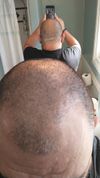
Adipose fat cells and stem cells may help treat hair loss by restoring the scalp's thickness. Treatments like NanoFatinjections and Botox are discussed for their potential to promote hair growth.
The conversation covers aggressive hair regrowth treatments like Dutasteride, Minoxidil (oral and topical), RU58841, microneedling, and ketoconazole shampoo. It also mentions PRP, laser therapy, GHK-Cu injections, and hormone therapy for maximum regrowth.
The conversation is about hair regrowth progress using topical finasteride 0.1%, minoxidil 10%, ketoconazole shampoo, and weekly microneedling. The user plans to continue the treatment for another year to assess its effectiveness.
A 35-year-old male reported positive hair regrowth after 9 months using oral dutasteride 0.5mg and oral minoxidil 5mg daily. A reply emphasized the importance of commitment and consistency for hair regrowth.
The user experienced significant hair regrowth over seven months using a combination of oral dutasteride, minoxidil, microneedling, vitamin D, biotin, zinc, and iron. They plan to continue treatments to prepare for a potential hair transplant.
A 20-year-old male has been using 1mg finasteride and 5% minoxidil daily for 1.5 to 8 months and is unsure about regrowth. Suggestions include continuing the treatment, trying microneedling, or considering oral minoxidil.
Topical dutasteride is more effective than oral finasteride for male pattern hair loss, with fewer side effects. Some prefer oral treatments for convenience, while others use topical solutions like minoxidil and dutasteride, sometimes with microneedling, for better results.
The conversation discusses the potential of long-chain unsaturated fatty acids, like oleic and linoleic acid, as an additional treatment for hair loss, which may inhibit the enzyme responsible for converting testosterone to DHT and promote hair growth. Users humorously suggest using oils topically and discuss other hair loss treatments, but the main focus is on the science behind fatty acids and their role in hair health.
A potential treatment for hair loss that involves injecting fat into the scalp; the role of testosterone and estrogen in thinning fat tissue under the skin; research on using lard to treat androgenic alopecia, as well as PRP + ACELL/amniotic stem cell treatments; and ongoing clinical trials by doctors involved in the study.
A trans woman is using finasteride, minoxidil, microneedling, and HRT to address hair loss, with noticeable improvement in hairline shape and presence of vellus hairs. She is considering hair transplants if these treatments don't yield desired results within a year or two.
The user has been using finasteride, minoxidil, microneedling, PRP, and ProCell therapy for hair loss but sees no progress after nine months. They are considering switching to dutasteride and possibly a hair transplant, with suggestions to add oral minoxidil.
The user is experiencing diffuse hair loss despite using finasteride and dutasteride and is considering adding minoxidil, microneedling, or RU58841. They are also thinking about increasing the dutasteride dose or opting for a hair transplant, while being cautious about side effects.
The conversation discusses treatments for a receding hairline, specifically comparing microneedling with exosomes to injecting them. The user seeks recommendations for beginner-friendly resources, such as YouTube videos, to help start these treatments.
Microneedling daily at 0.3mm combined with topical finasteride and minoxidil is effective for hair thickening, with added benefits from near-infrared therapy. The approach may not improve the front hairline, and deeper microneedling is done monthly for better results.
A user is considering using a dermapen with liquid solutions like minoxidil for hair loss as a cost-effective alternative to mesotherapy. They seek advice on the effectiveness and experience with such devices.
A 29-year-old man experienced significant hair thickening at the front and top after using finasteride and microneedling for two months, as noticed by his hairdresser. He used 0.5 mg/day of finasteride orally, switched to a topical solution, and performed microneedling with a Derminator2 every 6-7 days.
The conversation discusses the effectiveness of using finasteride alone versus combining it with minoxidil, ketoconazole, and microneedling for hair loss treatment. It also touches on the affordability and accessibility of hair transplants, with differing opinions on the financial feasibility of such procedures.
Follica's preferred microneedling protocol for hair growth, which includes needle depth, frequency and movement parameters as well as the use of topical treatments such as minoxidil and finasteride.
A user shared their 3-month hair growth progress using 1mg oral finasteride, 5% topical minoxidil, and microneedling with a 1.5 mm dermaroller twice weekly. The user received positive feedback and expressed a desire for thicker hair in the future.
Microneedling at depths greater than 0.6 mm may damage miniaturized hair follicles, with 0.5 mm showing better results for hair regrowth. Combining microneedling with minoxidil enhances absorption, but caution is advised to avoid damaging follicles.
A 49-year-old man has been using 1 mg of finasteride daily and microneedling weekly for four months to address hair loss, with no side effects and noticeable progress. He shares his experience and encourages others to consider treatment options without fear.
The conversation humorously discusses hair loss treatments, including finasteride, dutasteride, minoxidil, and microneedling. The user shares progress and thanks the pharmaceutical industry, with comments on the effectiveness and side effects of these treatments.
User reports hair loss improvement with twice-weekly 0.25mg Fin, twice-weekly Min, weekly 0.5mm microneedling, and daily massages. Unconventional regimen contradicts typical advice but may reduce side effects.
A user shared their successful hair loss treatment using 1.25mg finasteride daily, 2.5mm microneedling every 1-3 weeks, zinc pyrithione shampoo, occasional scalp massages, and 40% glycolic acid on temples. They reported significant progress over 21 months.
The user reported noticeable hair improvement over four months using 1 mg of finasteride and weekly microneedling. Progress photos from October 2024 to January 2025 show positive changes.