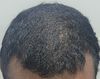
AHK and GHK are discussed for hair growth in the crown area, with questions about side effects and safety after microneedling. Users share experiences and concerns about these treatments.
The conversation is about hair loss treatments, specifically discussing the effectiveness of Red Ginseng Extract in promoting hair growth. Other treatments mentioned include Minoxidil, finasteride, and RU58841.
The conversation discusses hair loss, genetics, and treatments like Dutasteride. It highlights the influence of genetics on hair loss, noting that indigenous people are less prone to it.
Copper peptides, specifically GHK-Cu, are being considered for hair regrowth, though skepticism exists due to questionable product sources. Users suggest finding reputable sources for potential benefits, while acknowledging traditional treatments like Minoxidil and Finasteride.
User fought hair loss with Derminator microneedling, topical and oral minoxidil, and a 2000 FUE hair transplant. Derminator was a game changer, preventing further loss.
User noticed tiny dots on their head after using 0.5% dutasteride and 8% minoxidil, which others identified as developing hair follicles. Encouragement was given to continue the treatment.
The conversation discusses various hair growth treatments, including topical and oral minoxidil, microneedling, LLLT, PRP, exosomes, latanoprost, copper peptides, and upcoming treatments like PP405 and Vdphl01. It also covers managing side effects of minoxidil, such as dry scalp, and mentions the use of dutasteride and finasteride for hair loss.
The conversation discusses the potential of a new hair loss treatment, GT20029, which targets androgen receptors in the scalp and is in phase 1 trials in China. Users express hope that this treatment will be more effective than current options like Minoxidil and Finasteride.
The user is questioning whether their hair shows signs of regrowth or just normal growth after two weeks. They are using Minoxidil, Finasteride, and RU58841 for hair treatment.
A 78-year-old man regrew hair after suffering burns, suggesting that injury-induced healing processes might trigger hair growth. Microneedling and other treatments like minoxidil and finasteride are discussed as potential methods to stimulate similar regrowth.
PP405 is seen as a potential breakthrough for converting vellus hairs to terminal hairs, with users expressing both hope and skepticism. It is compared to treatments like minoxidil and finasteride, with discussions on side effects and marketing concerns.
PP405 is a new hair loss treatment in phase 2 trials that may promote hair growth by increasing lactate production and activating hair follicle stem cells. It could potentially replace hormone-disrupting treatments like Minoxidil and finasteride.
Peptides like GHK-Cu are discussed for hair regrowth, with mixed results; some users report no regrowth, while others notice thicker hair. Topical application is common, and proper sourcing and mixing are emphasized.
A user discusses their hair loss journey, starting with 5% minoxidil and nizoral, and now using DualGen-15 Plus with 15% minoxidil and 0.1% finasteride. They also use biotin, pumpkin seed oil, Pura D'or Professional shampoo, and derma rolling, noting some shedding and side effects.
Finasteride, minoxidil, dermarolling, and topical antiandrogens are effective for hair regrowth. Future treatments may include CB0301 and hair cloning.
The user experienced significant hair regrowth using finasteride, minoxidil, and a 4,000-graft hair transplant performed by Dr. Nader in Reynosa, Mexico. The results were natural-looking, and the user plans a second transplant for additional density if needed.
Nanoxidil may be more effective than Minoxidil for hair loss due to better follicle penetration, but it lacks widespread recognition and research because it's owned by a small company and classified as a cosmetic. The pharmaceutical system favors Minoxidil due to its established market presence and profitability, leaving Nanoxidil largely unstudied and unknown.
Hair cloning may become available in 1-2 years in Japan, but widespread availability and affordability could take 7-15 years. Current treatments like finasteride are effective but may lose effectiveness over time.
The user regrew their hairline using mechanical stimulation, including a 1.5mm derma roller weekly, daily scalp massages, and other treatments like Nizoral, zinc pyrithione, fish oil, and Lipogaine The Big 5. They did not use Minoxidil or finasteride.
The user experienced hairline improvement using microneedling once a month with a 12-pin set at 1.5-2.0mm and taking Tru Niagen, alongside a heavily modified diet. They attribute the slow hairline improvement to environmental factors, particularly diet, rather than solely genetic factors.
A new hair loss treatment, PP405, is moving from phase 2A to 2B in clinical trials, sparking discussions about its potential to regrow dormant hairs and its impact on existing treatments like Minoxidil and finasteride. Some users express skepticism, while others are hopeful about its future effectiveness.
A 25-year-old MtF individual has been using oral finasteride, oral minoxidil, and MtF HRT to treat androgenic alopecia, resulting in significant hair regrowth. However, the regrown hairs remain thin and short, and they seek advice on how to make these hairs longer and thicker.
The user experienced hair regrowth and improved hair density using oral finasteride and topical minoxidil, with microneedling as an additional treatment. They are considering a hair transplant for low-density areas but are uncertain due to existing follicles.
Inflammation plays a significant role in hair follicle miniaturization and androgenetic alopecia, with treatments like ketoconazole shampoo, minoxidil, and finasteride being used to address it. Users discuss the benefits of anti-inflammatory treatments and peptides like KPV, alongside traditional hair loss treatments, to improve scalp health and hair quality.
The conversation discusses interest in peptides for hair loss, specifically mentioning ahkCU and ghkCU. A user is considering adding ghkCU to their treatment regimen.
Aminexil, nanoxidil, stemoxydine, and kopexil are discussed as alternatives to minoxidil for hair growth, with concerns about dependence. Minoxidil is noted for its effectiveness in transitioning hair growth phases, but dependence is mainly linked to androgenic alopecia.
The user experienced significant hair regrowth in 5 weeks using Minoxidil, Finasteride, Dutasteride, biotin, collagen, derma stamping, and a mixture of oils, leading others to label them a "hyper responder." Some users advised caution with microneedling frequency to avoid potential scarring.
A 22-year-old is experiencing hair loss, particularly fuzzy hair in the front, and is concerned about male pattern baldness. Treatments mentioned include Propecia (finasteride), minoxidil, PRP treatments, dermarolling, peppermint oil, and apple cider vinegar.
A 23-year-old achieved significant hairline regrowth using minoxidil, saw palmetto, collagen peptides, biotin, omega-3, iron, ketoconazole shampoo, and scalp care techniques, without finasteride or dutasteride. The user attributes success to this combination but is unsure which element is most effective.
A user experienced positive hair regrowth using oral and topical minoxidil, oral dutasteride, microneedling, and supplements. They noted improved hairline and temple density with minor side effects like a few forehead pimples.