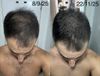
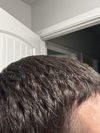
The user experienced chest pain and increased heart rate after microneedling while using topical minoxidil for hair loss. They are unsure if minoxidil is effective without microneedling.
Bryan Johnson uses topical dutasteride, minoxidil, and microneedling for hair loss. Users discuss treatment effectiveness and side effects, debating topical versus oral dutasteride efficacy.
The user is sharing their hair loss treatment regimen, which includes 1 mg of finasteride, minoxidil applied twice a day, and microneedling once a week. They express excitement for potential improvements in the next 2-3 months.
A 24-year-old male with aggressive androgenetic alopecia is using 1mg finasteride daily and considering a treatment stack including 0.5mg dutasteride, 2.5mg oral minoxidil, ketoconazole shampoo, Alpecin caffeine shampoo, and RU58841. He seeks advice on the safety and effectiveness of these treatments and whether any adjustments are needed.
Oral minoxidil is considered effective for hair growth, and some users combine it with microneedling despite mixed opinions on its additional benefits. Concerns about microneedling include potential scarring and lack of conclusive evidence on its effectiveness when used with oral treatments.
The user experienced hair regrowth and thickening using 1mg oral finasteride, 3mg oral minoxidil, biotin, vitamin D, red light therapy, and microneedling. Some shedding occurred around 4-6 weeks into the treatment.
PP405 shows promise for hair growth but may need continuous use like Minoxidil. Current treatments include Minoxidil, finasteride, and dutasteride, with skepticism about a true cure due to financial interests.
The user is experiencing new hair growth after using oral dutasteride, topical minoxidil, and microneedling, but is concerned about black dots on the hairline, which might be clogged pores or dormant follicles. The user previously used a topical minoxidil/finasteride spray and had good results, despite a shedding phase after switching treatments.
The user reported progress with hair regrowth using a topical solution combining finasteride and minoxidil, but experienced scalp irritation which improved after adjusting the treatment. They are considering microneedling but are concerned about the risk of scarring.
Microneedling may not significantly help those who don't respond to topical minoxidil, and some users suggest trying oral treatments like oral minoxidil or finasteride. Concerns about scarring and side effects are noted, with mixed experiences reported.
User experienced hair growth after 6 months using microneedling, minoxidil, ketoconazole, and biotin. Commenters suggest adding finasteride to treatment for better results and preventing further hair loss.
The conversation humorously discusses hair loss treatments like finasteride, minoxidil, and dutasteride, referencing a "Smiling Friends" episode. It includes jokes about hair loss, AI-generated images, and the show's satire on societal perceptions of baldness.
The user experienced hair improvement over a year using finasteride, topical minoxidil, tretinoin, ketoconazole, and microneedling. The hair density and hairline have strengthened with this routine.
A user named "bmbshell" who was dealing with hair loss and initially tried to fix it with a hair system before deciding to try finasteride, dutasteride, minoxidil, microneedling, and biotin supplements. They documented their progress over the past 1 year and 3 months, showing how effective these treatments were in regrowing their hair.
A user plans to experiment with creating new hair follicles using methods like derma rolling, applying lithium chloride, tannic acid, and various other substances including caffeine, ketoconazole, and raspberry ketones. They also consider using anti-inflammatories, immunosuppressants, and DHT inhibitors to potentially improve results.
The user is using 1mg oral finasteride, 1.25mg oral minoxidil nightly, and ketoconazole shampoo weekly for hair loss, reporting no side effects. They self-prescribed after inconsistent use of topical minoxidil, using Lonitab from Intas pharmaceutical.
The conversation discusses hair loss treatment using finasteride, minoxidil chews, 0.5 dermarolling, 2% ketoconazole, and a silk bonnet. The user reports positive progress and plans to continue the regimen.
A 27-year-old user shared their 5-month progress using 1mg finasteride daily and 5% minoxidil twice a day for hair loss, reporting improved hair growth despite initial shedding and experiencing only minor side effects like watery semen. They also use Nizoral shampoo, take a multivitamin, and plan to start microneedling if progress slows.
Zinc pyrithione and piroctone olamine are effective for reducing hair shedding, possibly more so than ketoconazole. There is a concern about zinc pyrithione shampoo interfering with minoxidil, but it's unclear if this is proven.
A user shared their 3-month progress using RU58841, 10% minoxidil, and microneedling every two weeks for hair loss. They found the new minoxidil sprayer effective for applying the treatment across the scalp.
The user has been treating hair loss for 7 months using a combination of pyrilutamide, a topical mix of finasteride and minoxidil, microneedling, a topical mix of GHK-Cu and minoxidil, ketoconazole shampoo, fish collagen peptides, zinc, and vitamin D3. Another user suggests that continuous small improvements could lead to significant hair regrowth over time.
A user's 6 month hairline results from using dutasteride and microneedling, which resulted in successful regrowth of their thinning temples. Other users commented with similar experiences that were also achieved through the use of finasteride, dutasteride and minoxidil.
The conversation discusses using a dermastamp for microneedling to treat hair loss, focusing on needle length and frequency. Users share their routines, including applying minoxidil after microneedling, with some waiting 24 hours to avoid side effects.
A sugar gel called 2-deoxy-D-ribose (2dDR) shows potential for promoting hair regrowth by increasing blood supply to hair follicles, similar to Minoxidil, but its effectiveness in humans is unproven. It may benefit those who don't tolerate Minoxidil, but it is not a replacement for treatments like Finasteride or RU58841.
A user's success in hair regrowth after taking oral and topical medications, such as minoxidil and dutasteride, and using microneedling. Other users shared their experiences and advice with treatments used to reverse hair loss.
A user's progress pictures showing the results of taking Fin (0.5 mg per day), Min (5 mg per day) and microneedling with Dr. Pen Ultima M8; another user asked when the regrowth was noticed, and commented on the hair appearing darker.