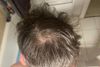
The user shared their 9-month progress using exosomes and topical minoxidil for hair loss, concluding that minoxidil was more effective for them than exosomes. They plan to continue using minoxidil and have started finasteride while managing dandruff with salicylic acid.
Combining Minoxidil with peptide serums like Redensyl, Procapil, and Capixyl is more effective for hair growth than using Minoxidil alone, increasing hair density and thickness. However, some users are skeptical about the effectiveness of peptides, suggesting other ingredients or factors might contribute to the results.
The user has tried various hair loss treatments including topical minoxidil, oral finasteride, oral dutasteride, oral minoxidil, and exosome therapy, but none have been effective. They suspect trichodynia might be preventing these treatments from working.
The conversation is about a user experiencing hair thinning and considering exosome treatment after being advised against a hair transplant. The user seeks advice from others who may have tried exosomes for hair loss.
Microneedling can promote hair growth, but there is uncertainty about the best practices, including needle length, device, and session frequency. Users discuss using needle lengths between 0.5mm and 1.5mm, with some experiencing pinpoint bleeding, and emphasize the need for more reliable resources and guidelines.
The conversation discusses using peptides BPC-157 and TB-500, combined with microneedling, to potentially enhance hair regrowth. The user plans to try BPC-157 due to its lower cost and reports of hair growth, despite limited human trials and concerns about side effects from other treatments like minoxidil and finasteride.

The user is using a topical solution containing 1% finasteride and 5% minoxidil for hair loss, with water, glycerin, and PEG-40 hydrogenated castor oil as carrier agents. They are questioning if these ingredients are effective carriers after using the solution for three months.
Topical finasteride as a potential alternative to oral finasteride for reducing DHT levels on the scalp with fewer side effects, and other hair loss treatments such as minoxidil.
Exploring the idea of transplanting miniaturized hair follicles to healthier areas to potentially reverse hair loss, with concerns about DHT sensitivity and scar tissue formation. The conversation also humorously considers using mice for hair growth experiments.
User shares 8-month progress using Fin/Min/Niz and microneedling for hair loss, with positive results and no side effects. Discusses routine, including Fin 1mg daily, Minox 2x daily, Niz 2x weekly, and derma pen 1.5mm weekly.
Microneedling before applying topical finasteride or dutasteride may enhance their effectiveness by increasing local absorption in the scalp, despite concerns about systemic absorption. Users discuss combining this method with oral treatments and minoxidil, noting potential benefits and side effects.
The small soft-gel capsule inside Duodart contains dutasteride, and the powder/beads contain tamsulosin. You can open the large capsule and take only the dutasteride soft-gel.
The user plans to use a "nuclear protocol" for hair improvement, including topical minoxidil 12.5%, topical finasteride 0.1%, and tretinoin 0.05%, with microneedling once a week. They have seen improvements with minoxidil and are seeking opinions on their approach to achieve thicker hair.
A 35-year-old male experienced significant hair improvement using microneedling, finasteride, minoxidil, and keto shampoo. He adjusted his microneedling routine for better results.
Mixing topical finasteride with essengen f and stemoxydine creates 0.25mg dose in 2ml. Minoxidil max suggests mixing 8.5ml essengen f with 60ml solvent for 0.25mg dose in 1ml.
A 41-year-old man experienced significant hair regrowth using topical finasteride (0.025%), minoxidil, microneedling every two weeks, and occasional Nizoral 2% shampoo. He advises against using creatine due to personal experience with increased hair shedding.
New product Tomorrowlabs HSF targets hair loss through HIF pathway indirectly by removing scalp iron. Minoxidil and Stemoxydine also relate to HIF pathway.
A user is exploring VEGF gene therapy to enhance hair transplant results, considering measuring hair shaft diameter and growth rate. Suggestions include using phototrichograms and possibly adding PRP, though its effectiveness is uncertain.
A 25-year-old woman is experiencing hair loss and has started microneedling with a 0.5mm roller, applying a mix of essential oils overnight. She questions whether to switch to a 1.5mm roller and the best order for her routine, while a reply suggests using Minoxidil for better results.
Users discussed hair loss treatments, specifically 0.1% latanoprost with melatonin, caffeine, and biotin. Other treatments mentioned include minoxidil, finasteride, RU58841, and microneedling.
Using roll-on bottles for applying minoxidil and RU58841 improves application efficiency and reduces product waste. Topical treatments are used continuously, except on microneedling days.
Mixing RU58841 with cetosomal minoxidil is discussed due to scalp irritation from ethanol PG vehicles. A mixture of the two turned bright pink when left to dry.
Microneedling once a week at 1mm caused bumps, possibly scars, in the treated area. The user is considering cleaning the skin before microneedling to prevent this issue.
User shared progress pictures after 2 months of using 5% topical minoxidil, microneedling, and recently adding 0.01% topical finasteride. The minoxidil solution also contains caffeine, azelaic acid, retinol, adenosine, biotin, and niacinamide.
A user created oral minoxidil sugar cubes due to lack of prescription access, leading to a humorous discussion about unconventional and potentially unsafe methods of using minoxidil. The conversation highlights the lengths people go to for hair growth.
Hair loss and its potential treatments, such as minoxidil, finasteride, RU58841, dermarolling, and supplements. It discusses whether miniaturized follicles can be revived to grow again or must shed for new growth to appear.
The user treated their hair loss with microneedling, nanoxidil, rosemary oil, jojoba oil, scalp massages, keto shampoo, and supplements. They experienced significant hair regrowth and a reduction in hair shedding within 8 weeks.
A user considered using Nanoxidil for hair loss, applying it daily and dermarolling weekly, but stopped after a few months due to lack of motivation and minimal results. They experienced no irritation or side effects and decided against using finasteride.
The user has been using topical minoxidil and dutasteride but is experiencing significant hair shedding, including smaller hairs. They are concerned if this shedding indicates the treatment is working.