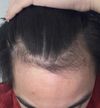
User suggests rotating scalp 180 degrees to address hair loss. Others discuss sanity, ethics, and similar procedures like scalp reduction and hair transplants.
Lichen Planopilaris (LPP) is an autoimmune condition causing permanent hair loss and fibrosis, often misdiagnosed. Treatments include pioglitazone, topical corticosteroids, anti-inflammatory medication, and Jak inhibitors.
A 21-year-old male shares progress pictures showing improvement in hair growth using daily topical minoxidil 5%, microneedling 1.25mm, and 500mg of saw palmetto. He reports new and healthy hair growth, indicating success in managing androgenic alopecia.
The user started oral minoxidil and finasteride two months after a hair transplant and plans to switch to dutasteride, using Nizoral and Mossi shampoos. They are considering a second transplant in Tijuana and using hair fibers and mousse for styling while waiting for medication effects.
The user had a failed hair transplant in 2018, didn't use medication, and experienced severe depression from further hair loss. They started treatment in 2022 with 0.5mg daily finasteride, 2.5mg oral minoxidil, 1ml daily topical minoxidil, and are considering low dose RU58841 and dermarolling.
The conversation discusses switching from oral to topical finasteride due to side effects like nipple soreness. The user seeks advice on diluting and applying topical finasteride to minimize adverse effects.
A user's progress with hair growth using oral minoxidil, oral dutasteride and Nizoral shampoo every once in a while. Replies indicate that the user has seen good results from this treatment, including thickening and darkening of their hair.
PP405, a topical treatment, shows promise for hair growth by activating inactive follicles, with 66% of participants experiencing positive results. The treatment is well-tolerated and may proceed directly to Phase 3 trials, offering a potential alternative to minoxidil and finasteride.
The user has been using minoxidil and finasteride for 7.5 months to address hair thinning, particularly at the crown and temples, and is considering additional treatments like tretinoin and dermastamping despite having chronic scalp folliculitis. They are experiencing progress but are concerned about side effects and the effectiveness of treatments on temple regrowth.
Hair loss treatment using topical fin, min, saw palmetto, and occasional microneedling shows progress after 1.5 years. Microneedling frequency varies from weekly to every 4-5 weeks with 1.5mm needles.
The conversation is about a person's hair loss treatment progress using finasteride, oral minoxidil, a derma roller once a week, and Nizoral shampoo twice a week. They shared before and after photos and have been consistent with their regimen.
A user is experiencing hair regrowth after using oral finasteride, topical minoxidil, biotin, multivitamins, vitamin D, and dutasteride. They also use ketoconazole shampoo and Revita density shampoo to manage flakes and improve hair thickness.
The user experienced hair regrowth after 5 months using 1 mg oral finasteride, topical minoxidil almost daily, and Nizoral weekly. They noticed improvements in hair volume and color, attributing changes to lighting rather than hair dye.
A user successfully improved their hairline after 15 months using topical minoxidil and dutasteride. Some commenters question the necessity of treatment given the user's original hair condition, while others support early intervention.
Baldness is difficult to cure because current treatments like finasteride, dutasteride, and minoxidil only prevent hair shedding, and new developments are mostly ineffective. Botox shows potential in aiding skin regeneration and hair growth, but maintenance therapy with treatments like dutasteride and minoxidil may still be necessary.
The conversation discusses a new liposomal topical finasteride from Hasson and Wong, available in Canada and Italy, soon in the US, costing $40/month. It claims to reduce scalp DHT by 50% without affecting serum DHT, potentially benefiting those who can't tolerate oral finasteride or RU58841.
A man has seen slight hair regrowth after 7 months using oral and topical finasteride, topical minoxidil, microneedling, and supplements. He plans to start taking dutasteride, hoping for better results and is not experiencing side effects so far.
Significant hair regrowth was achieved using oral finasteride and topical minoxidil over five months, with noticeable improvements in hairline and temple areas. The user experienced minimal side effects, mainly increased eyebrow and eyelash growth, and attributes additional physical improvements to weight loss and exercise.
A 43-year-old started a hair loss routine using Hims 3-in-1 chewable, topical minoxidil, rosemary oil, supplements, and microneedling, showing early progress in less than two months. The user plans to grow their hair back as it becomes thicker, expressing satisfaction with the current results.
The conclusion of the conversation is that the user has tried various medications and treatments for hair loss, including minoxidil, finasteride, microneedling, and nizoral shampoo, but has not seen any progress. They have decided to shave their head. Other users suggest options such as hair transplants, RU58841, hair units, and scalp micropigmentation.
A user is starting a topical finasteride treatment for diffuse patterned alopecia, having previously used minoxidil without success. They are cautious about side effects and have chosen topical over oral finasteride, while also using Nizoral and biotin in their routine.
A user had a 2250 graft hair transplant using both FUT and FUE methods, and is currently using finasteride, minoxidil, multivitamins, and biotin. Opinions vary on the effectiveness and appearance of the procedure, with some suggesting additional treatments or considering alternative options like shaving or using a hair system.
The user is considering switching from oral to topical minoxidil and possibly adding finasteride, while continuing with dutasteride and incorporating microneedling to improve hair loss treatment. They are concerned about potential shedding during the transition.
The user is using a routine involving microneedling, Minoxidil with tretinoin, a red light cap, scalp massages, Nizoral shampoo, and essence oil shampoo to address hair loss, with visible progress noted. They are considering topical finasteride or dutasteride if progress slows but are cautious due to past side effects.
A 32-year-old is using finasteride, oral and topical minoxidil, microneedling, and keto shampoo to treat hair loss, noticing healthier hair and new tiny hairs on previously bald areas. They are hopeful for more visible results in the coming months and encourage others to try the treatment.
Progress made with a hair loss routine that includes topical Minoxidil/Finasteride, Nizoral shampoo and Micro needling. Additionally, the user switched to sulfate-free shampoo and conditioner, as well as taking a Hair & Nails supplement.
The conversation is about hair regrowth using topical finasteride, minoxidil, and keto spray, along with oral Saw Palmetto, Lustriva complex, collagen, and microneedling. Users discuss their experiences with these treatments, noting improvements in hair density and color, with some experiencing mild side effects.
Exosomes combined with fractional picosecond laser treatment were effective in treating androgenetic alopecia and promoting repigmentation in white hair patches. The role of exosomes in hair repigmentation, particularly in conditions like poliosis, is not well-studied.
User shared progress pictures after 2.5 months of using minoxidil twice daily on eyebrows and temples, along with dermarolling 1-2 times weekly with a 1.5 mm roller. They discussed noticeable improvements in hair growth.
A user shared their 4.5-month progress using oral finasteride and topical minoxidil for hair loss, noting some perceived improvement in the crown area. Other users encouraged them to continue the treatment.