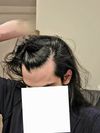
A user discusses their rapidly receding hairline and a prescribed topical solution containing 7% Minoxidil, 0.1% Finasteride, and 3% biotinoyl tripeptide. The solution is a custom compound from their dermatologist, costing $50 for a one-month supply.
The user is experiencing hair shedding after one month of using 3mg minoxidil, 1mg finasteride, and Nizoral twice a week. Others reassure that shedding is normal and improvements in hair density and hairline are expected after the shedding phase.
Hair transplant results after 1 year discussed, with mostly positive feedback on density and appearance. User considers another surgery for hairline, but overall improvement noted.
The conversation is about using Maxogen-X, a topical solution containing minoxidil, finasteride, tretinoin, and azelaic acid, for hair loss treatment. Users discuss their experiences, including initial shedding and the hope for thicker hair, while sharing progress updates.
A user shared their positive experience with Roots by GA, a company that creates personalized hair loss treatments based on DNA analysis, which confirmed their inability to tolerate finasteride. The user is satisfied with their progress 30 days after a hair transplant and the customized formula they received.
Hair loss treatments discussed include Minoxidil, Finasteride, and RU58841. HMI-115, a monoclonal antibody drug, is in phase 1 and 2 trials for different conditions, but its availability on the gray market is unlikely due to high production costs.
The user experienced increased hair loss and scalp itchiness despite using finasteride and plans to resume minoxidil and start microneedling. They are considering using clay, Aveda thickening tonic, and a beanie to manage the appearance of thinning hair.
The conversation discusses using natural DHT blockers like saw palmetto, beta sitosterol, pumpkin seed oil, pygeum africanum bark, and nettle root as alternatives to finasteride for hair loss, with mixed opinions on their effectiveness. Some users report minimal improvement with natural options and better results with finasteride or dutasteride, despite concerns about potential side effects.
A user had a hair transplant 16 years ago and lost hair after stopping finasteride. They're now using a combination of treatments including oral dutasteride, topical and oral minoxidil, Pyrilutamide, and microneedling, and have seen improved density but are unsure if it's enough to grow their hair out. They also had a bad experience with scalp micropigmentation (SMP) and are considering redoing it.
A 25-year-old male using Dutasteride, oral Minoxidil, and Ketoconazole shampoo is experiencing increased hair shedding and vellus hair growth along the hairline. Concerns are raised about whether this is a seasonal shed or a potential setback.
The user experienced significant hair regrowth over three years using a combination of dutasteride, oral minoxidil, dermarolling, and Nizoral shampoo. Initial side effects from finasteride subsided after switching to dutasteride, leading to improved hair density and thickness.
The user experienced a sudden decrease in hair density after starting alfatradiol while already using finasteride. Another user mentioned that initial shedding can occur with hair loss treatments, but it may not last long.
The conversation discusses hair regrowth using dutasteride and oral minoxidil, with the user reporting significant improvement in hair volume after combining these treatments. Some side effects mentioned include changes in libido and increased facial hair, but overall, the user is satisfied with the results.
Low testosterone and estradiol may contribute to hair loss, and blocking DHT without sufficient hormone levels might hinder regrowth. The discussion highlights the importance of hormone balance, with some considering supplements and lifestyle changes to support hair health.
The user experienced hair regrowth over a year using minoxidil and inconsistent finasteride, along with a diet including natural DHT-blocking foods. They are pleased with the progress but aim for more consistency.
The conversation is about individuals noticing others with full hair while experiencing their own hair loss. Some use treatments like Minoxidil and Finasteride, while others joke about noticing receding hairlines or suggest that hats and wigs are used to hide baldness.
The conversation is about starting microneedling for hair growth, with questions on needle sizes, session frequency, and reliable purchasing options. The user seeks clarity on FDA regulations and prefers to avoid certain online retailers.
Users are experiencing hair shedding after initial improvement using treatments like Minoxidil, finasteride, and dutasteride. Shedding is seen as a sign of progress, but concerns arise when hair falls out again after a few months.
The user has been experiencing diffuse hair thinning despite using finasteride, minoxidil, dermarolling, clobetasol cream, and PRP sessions. They seek advice on additional treatments and are advised to check vitamin D, iron, and thyroid levels.
The user reports positive progress in hair regrowth using 1mg oral finasteride, 3mg oral minoxidil, biotin, vitamin D, red light therapy, and microneedling. They note thickening at the hairline and some regrowth at the temples.
The conversation discusses hair shedding experienced by users undergoing hair loss treatments, including finasteride, minoxidil, and microneedling. Many users report experiencing significant shedding around the 8-12 month mark, which is considered a normal part of the hair regrowth process, with expectations of stronger regrowth following the shedding phase.
Topical dutasteride with microneedling is effective for androgenetic alopecia, improving hair thickness and density. Further research is needed to confirm long-term efficacy.
Minokem-N's composition is unclear, with concerns about unlisted hydrocortisone. Users discuss alternatives like AloATM, which lacks soothing agents, and the challenges of verifying ingredients.
The conversation discusses alternative hair growth treatments to minoxidil, including Stemoxydine, Tretinoin, adenosine, Baicalin, castor oil, Latanoprost/bimatoprost, and Redensyl. Users share their experiences and opinions on the efficacy of these treatments.
User noticed black dots along the hairline and temples, questioning if it's regrowth. They are using a regimen including Dutasteride, oral and topical Minoxidil, and a compounded topical treatment.
The conversation is about someone's hair growth progress after using dutasteride and oral minoxidil for eight months, with users commenting on the increased hair density and volume. Some users are skeptical, but the original poster insists there is a significant improvement in hair density.
A 30-year-old male is experiencing hair loss and is concerned about his receding hairline, seeking advice on his Norwood scale classification. He is apprehensive about using Minoxidil and finasteride as treatments.
Switching from liquid to foam minoxidil led to hair loss for OP, possibly due to a second shedding cycle. OP experienced allergic reactions to propylene glycol in the liquid form, causing dandruff and itchiness, which improved after switching to foam.
The post and conversation are about HMI-115, a potential treatment for hair loss. The conclusion is that HMI-115 is not a 5ar-inhibitor and is instead a prolactin receptor inhibitor. Some users are skeptical about its effectiveness and believe that baldness will still be a problem in the future.