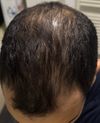
The conversation discusses hair cloning progress and mentions treatments like Minoxidil, finasteride, and RU58841. Users also talk about hair transplants and their effectiveness.
A user is considering starting treatments like Finasteride, Minoxidil, and Microneedling for hair thinning, despite stable hair loss for over 8 years. They are unsure if the presence of miniaturized hairs indicates potential for regrowth or if they should accept the current state.
David Barreto shared that a London-based research group is conducting a 12-month trial for a new nutraceutical treatment for pattern hair loss, designed with Dr. Carlos Puig. The trial aims to provide robust data, with results expected in 1-2 years, potentially representing a significant advancement since finasteride’s introduction in 1997.
The conversation discusses struggles with diffuse thinning and hair loss treatments, including the use of dutasteride, minoxidil, and finasteride, with limited success. The original poster regrets having a hair transplant at 21 due to weak donor hair and ongoing thinning.
The user experienced positive hair regrowth using a routine of microneedling every 3 days, applying a blend of castor oil with peppermint and rosemary, bhringraj oil, and moringa oil, and using Pura D'Or DHT-blocking shampoo. They also take multivitamins and saw palmetto daily, reporting no side effects from saw palmetto.
Hair loss is causing distress and self-esteem issues, with discussions on treatments like finasteride, minoxidil, and hair transplants. Some suggest topical treatments or lifestyle changes, while others stress the importance of confidence and self-acceptance.
People discussed hair loss treatments, including finasteride, minoxidil, and microneedling, with varying results and concerns about genetics and hormone levels. Some users shared personal experiences with medication dosages and side effects, while others mentioned the impact of stress on hair loss.
The user is using topical minoxidil, topical finasteride, microneedling, and Nizoral shampoo for hair regrowth. Other users suggest the appearance of regrowth might be due to brushing hair differently.
The user experienced significant hair regrowth using a topical solution of minoxidil 5% and finasteride 0.1% over 100 days, with plans to continue for a year before switching to a maintenance dose. Despite skepticism from others about using hair fibers, the user insists on the authenticity of their progress and reports no side effects from the treatment.
Dutasteride might be better for hairline due to varying levels of 5AR activity in scalps. Genetic tests can determine if finasteride is enough or if dutasteride is needed.
Stem cell-related treatments and drugs like RCGD423 and WAY are being tested for hair growth. Clinics are conducting tests on patients who haven't had previous treatments.
Hair loss discussion includes delay in others noticing balding, using hair fibers for peace of mind, and taking before and after photos. Finasteride and Minoxidil are mentioned as treatments.
The conversation discusses a user's positive experience with hair regrowth using topical finasteride, minoxidil, and microneedling after 2.5 months, noting initial shedding but improved hair density, especially at the temples, possibly eliminating the need for a hair transplant. The user is satisfied with the current treatment and is hesitant to try the experimental drug RU58841, hoping the current routine will suffice for further improvements.
The conversation is about hair loss and treatments, with suggestions to use finasteride or dutasteride as DHT blockers and minoxidil for regrowth. Oils and shampoos are considered ineffective for androgenic alopecia without these medications.
Hair loss treatments for female pattern baldness, with the user focusing on wigs as an effective solution; they also discussed the difference between cheap and real wigs, and the importance of returning to confidence and self-esteem when tackling alopecia.
Finding treatments for regrowth on the hairline which have not been successful so far, with suggestions of maintaining what they currently have and considering a hair transplant as an option.
Tiny blond hairs on the vertex may indicate early hair regrowth from using dutasteride and minoxidil. Consistent treatment is advised, with potential for thicker hair over time, but a hair transplant might be needed for significant results.
The user is concerned about having a straight, low hairline after a hair transplant and is unable to take finasteride due to high estrogen and prolactin levels. They have used minoxidil with limited success and are considering further transplants to lower the hairline, while others suggest the risks of using up donor hair too quickly.
PP405 cannot restore extracted hairfollicles after a transplant as they are removed, not dormant. Combining verteporphin with wounding and PP405 is suggested but not confirmed effective.
The conversation is about someone's improvement in hair density and hairline appearance after consistently using finasteride, topical minoxidil, dermarolling, and ketoconazole. They shared a progress picture showing the best results they've seen since starting treatment.
The user experienced hair regrowth and strengthening using finasteride, minoxidil, micro-needling, Nizoral, and biotin products. Despite progress, they acknowledge that a hair transplant may be needed for full hairline restoration.
The user has been using topical minoxidil and oral finasteride for hair regrowth, noticing some improvement and baby hairs at the hairline after four months. Suggestions include continuing the current treatment, considering microneedling, ketoconazole shampoo, vitamins, and possibly RU58841, while avoiding a hair transplant.
A 46-year-old man maintained his hair over 20 years using finasteride, dutasteride, and minoxidil, with plans for a hair transplant. He experienced some early side effects but found oral minoxidil improved hair thickness significantly.
Hair fibers effectively cover thin hair areas, boosting confidence and reducing stress about hair appearance. Users discuss combining hair fibers with other products like hair spray, dermmatch, and Boldify, noting challenges like blocking minoxidil absorption and the importance of color matching.
Adipose-derived stem cells with ATP improved hair regrowth in male and female mice with androgenetic alopecia. The most effective treatments were low dose stem cells with ATP for males and medium dose stem cells with non-liposomal ATP for females.
Participants want to maintain hair until at least age 30, using treatments like finasteride, dutasteride, and minoxidil. Hair loss remains a concern, with some considering hair transplants.
A 78-year-old man regrew hair after suffering burns, suggesting that injury-induced healing processes might trigger hair growth. Microneedling and other treatments like minoxidil and finasteride are discussed as potential methods to stimulate similar regrowth.
A young man with hypertrichosis has over 95% of his face covered in hair, sparking humorous comments about hair loss treatments like minoxidil and dutasteride. Users joke about transplanting his facial hair and discuss the challenges of his condition compared to typical balding.