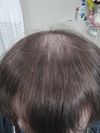
The conversation is about choosing a minoxidil product for hair regrowth. Users recommend cheaper options like Kirkland or Target brand, with a preference for foam versions.
A 24-year-old experienced initial success with finasteride, Rogaine, and Nizoral for hair loss but noticed a decline after 1.5 years. Despite concerns about side effects, they decided to try dutasteride after consulting with a dermatologist.
User found 15% procyanidin B2 supplement and asks if it's legit. Recommended dosage is 400-600mg daily, similar to study, and user wonders if it's effective for hair loss.
The user started 2.5mg oral minoxidil 4.5 months ago and 1mg finasteride 1 month ago for hair loss. They are concerned about thinning hair and receding temples, but others suggest their hair looks good and recommend considering a hair transplant.
A 40-year-old male has been using 5% minoxidil foam and 1mg finasteride for 2.5 months, noticing darker and thicker hair. Users encourage him to continue the treatment, as results can take 6-9 months or longer.
Finasteride may inhibit melanin production, affecting tanning and causing white hairs in the beard and eyebrows. The user considers switching to oral Dutasteride or topical treatments to address these issues.
The user experienced significant hair regrowth and improved hair volume after 4 months of using oral dutasteride (0.5 mg) and minoxidil (2.5 mg) daily, eliminating the need for a second hair transplant. The user is now satisfied with the results and feels more confident.
A 23-year-old male has been using oral Dutasteride and Minoxidil for six months to address hair loss but sees no improvement. Users suggest continuing the treatment for at least a year, considering a hair transplant, or trying additional treatments like microneedling or topical Minoxidil.
A user shared their experience with a hair and beard transplant in Istanbul, performed by Dr. Selahattin Tulunay, noting successful results after 12 months. The procedure cost 5000 €, and the user is open to questions about combining procedures or traveling for surgery.
Curved hair transplantation requires specialized tools and techniques to avoid damaging hair follicles, with modified FUE being the preferred method. Proper extraction and implantation angles are crucial to prevent complications like keloids and sterile folliculitis.
The user shared their successful hair regrowth journey using a combination of oral Dutasteride and a topical mix of Finasteride, Minoxidil, Tretinoin, and Ketoconazole. They experienced no side effects and noted significant improvement, except for one persistent thinning area.
A long-term finasteride user is considering switching to dutasteride due to hair loss progression. Users share experiences with switching, noting side effects and varying effectiveness, with some experiencing shedding and others maintaining their hairline.
The conversation suggests that abstaining from ejaculation for a few months may help stop or reverse hair loss by potentially increasing testosterone and reducing DHT levels. It also mentions the use of minoxidil and finasteride as effective treatments for maintaining hair after a hair transplant.
A 25-year-old male using 1mg finasteride daily and 5% topical minoxidil twice daily noticed slight hair density improvement on the crown, less shedding, and no serious side effects except occasional mild discomfort. He uses Nizoral shampoo for itching and takes Vitamin D and Magnesium supplements, while maintaining a positive mental outlook and working on improving his sleep schedule.
Finasteride and dutasteride are discussed as preventative treatments for hair loss, with some advocating for early use and others concerned about side effects, especially before full maturity. Many regret not starting these treatments earlier due to their effectiveness in preventing or slowing hair loss.
Reducing sebum can indirectly lower DHT levels, with treatments like accutane, tretinoin, and green tea extract acting as DHT blockers. Accutane can lower DHT levels by reducing 5α-reductase activity, but its impact on hair varies.
The conversation is about hair loss treatments and vitamin recommendations. The user is using finasteride, minoxidil, biotin, pumpkin seed oil with saw palmetto, men's multivitamins, and is considering adding D3 + K2, Omega 3, Co-Q10, and magnesium glycinate.
The conversation discusses using minoxidil, finasteride, a dermastamp, and botanical oils like peppermint, rosemary, and pumpkin seed oil for hair growth. The user is considering using Alpha Infuse, which combines microneedling with plant oils, to enhance results.
A user shared their 12-month update after a 1600-graft hair transplant in Korea, with mixed reactions about the necessity and results. The user is not currently using minoxidil or finasteride but plans to consult a doctor about it.
Minoxidil is applied beyond the crown, including the hairline and other areas, despite labels suggesting crown use only. Users report success with broader application, and some prefer oral minoxidil for convenience.
A 21-year-old male has been using oral dutasteride and minoxidil for hair loss for six months, with noticeable improvement and no further hair loss. He also uses Nizoral shampoo three times a week.
Celebrities using hair loss treatments like finasteride, minoxidil, and hair transplants is common and helps normalize these practices for the public. Many believe acknowledging this reduces stigma and provides reassurance that these treatments are effective and widely used.
Minoxidil, finasteride, and RU58841 are suggested for hair loss treatment. Supplements like biotin and saw palmetto may help but are not effective for androgenic alopecia.
A 23-year-old male experienced no shedding with RU58841 but switched to oral finasteride due to heart concerns, resulting in increased hair shedding. He is considering adding minoxidil to his regimen, which currently includes finasteride, Nizoral shampoo, and microneedling.
A 42-year-old man achieved significant hair regrowth in seven months using oral minoxidil, oral dutasteride, topical minoxidil, microneedling, and supplements. He experienced minimal side effects and noted dramatic improvements in hair thickness and health.
Hair growth serums, specifically those with minoxidil and finasteride, are discussed as potential treatments for hair loss. The effectiveness of these serums is questioned, with a focus on whether they promote regrowth or merely prevent further loss.
Hair systems are a popular solution for hair loss, offering impressive transformations with manageable maintenance and cost. Some users prefer hair systems over medications like Minoxidil or Finasteride, while others express concerns about the permanence and visibility of these systems.
A 19-year-old is considering whether to continue finasteride at 0.5mg every other day due to concerns about side effects. They are seeking advice on dosage frequency and potential side effects, noting no issues so far.
Omega 3 and 6 supplements are considered ineffective for hair growth by most users, with some suggesting they only help if combined with other nutrients or if the diet is poor. Users generally find traditional treatments like minoxidil and finasteride more effective.
The user is experiencing thicker hair after using oral minoxidil, dutasteride, biotin, collagen shampoo with rosemary, and ketoconazole. They are considering adding a derma roller to their regimen for potential benefits.