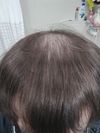
A user asked if they can crush caffeine and melatonin tablets to add to their minoxidil solution. Another user sarcastically suggested adding rat poison.
The conversation is a humorous discussion about hair loss, with users expressing envy towards an ancient figure who still has a full head of hair. No specific treatments are mentioned.
The conversation discusses hair loss treatments, with some users advocating for finasteride and minoxidil, while others express concerns about potential side effects of finasteride. A social media influencer is criticized for promoting scalp massages and minoxidil over finasteride, which some believe is misinformation.
Hair loss treatment with topical finasteride/minoxidil, which had good results after 3.5 months of application. The user also asked if there was any reason to take the oral pill version and if anyone has ever tried mixing them together.
A 24-year-old male is experiencing hair thinning and feels hopeless, considering treatments like finasteride and minoxidil but is concerned they might not work. He is also contemplating a dermatologist visit and is unable to afford a hair transplant.
PP405 is a promising experimental topical treatment for alopecia that reactivates dormant hair follicles by targeting cellular energy, with large-scale trials planned for 2026. While it shows potential, it cannot regenerate permanently destroyed follicles, making hair transplants the only guaranteed solution for advanced baldness currently.
A user is 8 months into treating hair loss with finasteride, minoxidil, ketoconazole, and pyrilutamide, but feels their condition is worsening. They are considering increasing their finasteride dosage due to aggressive hair loss and are experiencing scalp itchiness.
The post argues for teenage use of finasteride to prevent hair loss, citing minimal side effects and personal success. Replies criticize the advice, highlighting potential developmental risks and questioning the safety of finasteride for teenagers.
Curved hair transplantation requires specialized tools and techniques to avoid damaging hair follicles, with modified FUE being the preferred method. Proper extraction and implantation angles are crucial to prevent complications like keloids and sterile folliculitis.
A 27-year-old shared progress pictures 4 months after a hair transplant, expressing satisfaction with the results and improved self-esteem. They have been using finasteride for nearly a year and minoxidil for 3 months, with significant reduction in hair loss.
A user shared progress pictures after one year of daily 0.5 mg Dutasteride for hair loss prevention and regrowth. Other users discussed the effectiveness of Dutasteride compared to Finasteride and Minoxidil.
A user's hair regrowth journey involved a hair transplant and using RU58841, finasteride, and minoxidil, with side effects managed by other medications.
A user's experience with hair loss treatments, including Dutasteride, Oral Minoxidil and Finasteride; potential side effects; and the potential of using anti-androgens or microneedling.
The user recommends using Regenepure (keto shampoo), Lipogaine (minoxidil), and NatureMade Biotin pills for hair loss treatment and advises against taking finasteride (propecia) without considering potential side effects. They share their own experience with these treatments and suggest reading about both the benefits and risks before deciding on finasteride.
Spraying or drinking topical minoxidil is dangerous and less effective than oral minoxidil. Proper oral minoxidil, like Loniten®, is recommended for safety and effectiveness.
A user humorously suggested smoking minoxidil in a blunt as an alternative hair growth method, sparking a satirical discussion on unconventional and unsafe ways to use minoxidil. The conversation included various suggestions like oral pills, rectal administration, and other absurd methods, with some users warning against the dangers of such practices.
Hair loss treatments, specifically finasteride and minoxidil, being used by wealthy individuals to combat their genetic predisposition to baldness. It also discussed other potential treatments such as RU58841 and dutasteride.
Finasteride may affect male offspring's fertility and hormonal balance, with debates on whether to discontinue use before conception. Some users report no issues, while others highlight the high doses used in rat studies.
A 23-year-old male has been using oral Dutasteride and Minoxidil for six months to address hair loss but sees no improvement. Users suggest continuing the treatment for at least a year, considering a hair transplant, or trying additional treatments like microneedling or topical Minoxidil.
Scalp tension from the occipitalis muscle is theorized to contribute to hair loss, but most believe DHT and genetics are the main causes. Treatments like finasteride and minoxidil are considered more effective than addressing scalp tension.
Creatine may cause increased hair shedding in some individuals, especially those with androgenetic alopecia (AGA), despite its physical performance benefits. Many users report stopping creatine to reduce hair loss, while others believe the effects are anecdotal or due to other factors like increased physical activity.
Combining therapies like scyllo-inositol, alpha-ketoglutarate, and autophagy-inducing supplements may enhance hair growth and prevent hair loss. Reporting individual results can accelerate progress in hair loss treatments.
User Kylo313 used dutasteride for 20 years and had two daughters, questioning if dutasteride affects the likelihood of having male vs female children. Replies mostly request hairline photos and discuss anecdotal experiences, with some suggesting correlation doesn't imply causation and that gender determination isn't affected by dutasteride.
Microneedling for hair restoration involves daily use of a 0.3 mm device and weekly use of a 0.5 mm device. Combining microneedling with Minoxidil can enhance hair growth.
Creatine may cause hair shedding in some individuals, particularly those with genetic sensitivity to hair loss, but this is not universally experienced. Finasteride users report mixed results, with some experiencing resumed shedding when taking creatine.
A double-blind clinical study that found ingestion of tocotrienols resulted in a 34.5% increase in hair regrowth compared to the placebo group, and discussion about potential side effects and cost of supplementation with vitamin E pills. The conversation noted that it may be more effective than commonly used treatments like minoxidil and finasteride.
A 27-year-old woman is seeking advice on hair loss treatments, considering options like Spiro, Viviscal tablets, Rogaine, dermarolling, Nizoral shampoo, saw palmetto, castor oil, jojoba oil, and spearmint tea. She has a history of hair loss since childhood, has tried various treatments, and is looking for effective solutions before accepting her condition.
A user shared their experience 7.5 months after receiving 3950 hair grafts at Sule Hair Transplant in Istanbul, Turkey, with positive feedback on the transformation. The discussion included costs, recovery time, and the use of medications like finasteride and minoxidil post-transplant.
A user claimed significant hair regrowth over 18 months using minoxidil, finasteride, ketoconazole shampoo, dermastamping, and supplements without a transplant. Commenters were skeptical, suspecting a hair system might be involved.
Finasteride and dutasteride are discussed as preventative treatments for hair loss, with some advocating for early use and others concerned about side effects, especially before full maturity. Many regret not starting these treatments earlier due to their effectiveness in preventing or slowing hair loss.