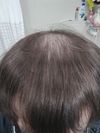
An 18-year-old is seeking advice on hairstyles to manage and conceal thinning, fine hair. They are looking for a style that boosts confidence and addresses their long-standing insecurity.
A user is seeking experiences with adenosine for hair loss, asking about its effectiveness, usage duration, and combination with treatments like minoxidil, finasteride, or RU58841. Another user mentions difficulty sourcing adenosine and comments on the mixed quality of research.
The user is concerned about having a straight, low hairline after a hair transplant and is unable to take finasteride due to high estrogen and prolactin levels. They have used minoxidil with limited success and are considering further transplants to lower the hairline, while others suggest the risks of using up donor hair too quickly.
Finasteride can cause sexual side effects like reduced libido and weaker erections, but experiences vary. Some users switch to dutasteride or topical treatments, while others stop finasteride to restore normal sexual function.
A deoxyribose sugar gel may work as well as minoxidil for hair regrowth by boosting blood supply to hair follicles. Some users discuss combining it with minoxidil and cetrizine, but caution is advised due to potential risks and lack of consistent results.
RU58841 is debated for hair regrowth, with some users reporting no benefits and potential side effects, while others claim success when combined with dutasteride. Many suggest safer, well-researched treatments like finasteride and minoxidil for hair loss management.
A 30-year-old with diffuse thinning and a balding crown is using a treatment regimen of a 2-in-1 pill containing finasteride, minoxidil, and biotin, along with various supplements. After two weeks, no side effects have been experienced, and updates with pictures will be posted monthly.
A 23-year-old male reported significant hair improvement using 0.5 mg finasteride and 2.5 mg minoxidil daily, along with 0.5 mg dutasteride twice a week. He noticed increased hair thickness, density, and darker color, attributing the changes mainly to oral minoxidil and DHT blockers.
Someone's two-month progress using oral minoxidil (2.5mg ED) to treat hair loss, which has resulted in thicker eyebrows and eyelashes but no scalp changes or shedding.
User found 15% procyanidin B2 supplement and asks if it's legit. Recommended dosage is 400-600mg daily, similar to study, and user wonders if it's effective for hair loss.
The potential hair regrowth benefits of ASC-J9, a synthetic modified version of curcumin that is said to be more effective than Minoxidil and Finasteride. Reports from users suggest good thickening and temple regrowth with topical use at 0.025% concentration.
The user started a new hair loss treatment regimen using topical finasteride and minoxidil, saw palmetto, sulforaphane, and apple extract supplements, while also trying to quit nicotine and fast food. They later cut out supplements due to cost, continued with topical treatment, and experienced improved hair health but faced issues with low libido.
The user stopped using finasteride after two weeks due to gynecomastia symptoms and shared blood work results questioning if they indicate a cause for the side effects. The user is considering restarting finasteride and seeking advice on their blood work levels in relation to gynecomastia.
The user discusses the potential impact of external DHT in sebum on hair loss and plans to wash their hair daily with salicylic acid exfoliation. They believe this might help reduce hair loss despite internal factors.
A 29-year-old male experiencing hair loss started using 2% minoxidil as suggested by his doctor and later added finasteride after initial results. He reported amazing results after 50+ days and increased minoxidil to 5% after 25 days.
The user experienced severe hair shedding and thinning about a year after a hair transplant, despite using finasteride and minoxidil. They are concerned about whether the transplanted hair can regrow or if it is miniaturizing.
The user experienced noticeable progress in hair growth after two months using topical minoxidil 5%, 0.1% finasteride, and oral 1mg finasteride. Others suggest waiting longer for more significant results.
Sapphire FUE uses sapphire-tipped blades for more precise incisions, but the surgeon's skill and overall procedure management are more crucial for success than the blade type. Both Sapphire and Standard FUE can yield similar results, with recovery influenced more by individual factors and aftercare than the blade used.
A 23-year-old is considering starting a prescribed treatment for hair loss, which includes Dutasteride, oral Minoxidil, topical Finasteride with Minoxidil, and Ketoconazole shampoo. They are concerned about the potential impact on future fertility and whether to start with Dutasteride or try Finasteride first.
A 20-year-old male with a high hairline seeks advice on potential hair loss, noting a family history that typically doesn't progress beyond Norwood 2. A user suggests it appears to be a mature hairline rather than hair loss and advises monitoring for changes.
The conversation discusses hair shedding while using Minoxidil and dutasteride, noting that shedding can occur even months into treatment as part of the hair cycle. Despite shedding, previous regrowth suggests the treatment is effective.
The conversation discusses hair loss treatments, focusing on insulin resistance, microneedling with topical melatonin, and stress reduction. Users express skepticism about the advice, preferring proven treatments like minoxidil and finasteride, while some mention alternative methods like dermal incisions and verteporfin for reducing fibrosis.
Significant hair regrowth was achieved using RU58841, minoxidil, and microneedling during a high-dose steroid cycle. The user reported no side effects from RU58841 and plans to continue the regimen.
A 24-year-old male is experiencing hair thinning and feels hopeless, considering treatments like finasteride and minoxidil but is concerned they might not work. He is also contemplating a dermatologist visit and is unable to afford a hair transplant.
A user shared their 6-month progress using 1mg finasteride daily for hair loss, noting no significant shedding or changes in hair condition. They are considering starting oral minoxidil and received advice suggesting dutasteride and oral minoxidil 5mg for better regrowth.
Hair shedding decreased significantly after using finasteride and minoxidil, with users reporting fewer hairs falling out when running fingers through their hair. Some users experienced initial shedding with treatments like dutasteride, but shedding eventually stopped or reduced significantly.
Finasteride may affect male offspring's fertility and hormonal balance, with debates on whether to discontinue use before conception. Some users report no issues, while others highlight the high doses used in rat studies.
The user shared their hair loss journey, trying various methods like a hair system and scalp micropigmentation, and recently started using finasteride and minoxidil with supplements like biotin, zinc, and ketoconazole shampoo. Another user mentioned starting dutasteride and minoxidil with biotin and zinc.