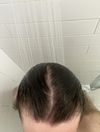
Reducing sugar intake may lessen scalp itchiness associated with hair loss, even when using treatments like finasteride. Some users also report similar symptoms while on dutasteride.
A 21-year-old shares progress 1.5 months after starting finasteride (0.5 mg every other day) with no side effects, using minoxidil for beard growth, rosemary oil, and weekly microneedling. They report healthier hair texture and positive feedback from family.
The user reports hair regrowth using Dutasteride, oral and topical Minoxidil, RU58841, a derma stamp, and a derma roller, attributing their knowledge to this forum. They did not try Finasteride and note a difference in hair quality between new growth and existing hair.
The user is experiencing a lack of morning erections after using 0.5mg of finasteride every other day for two weeks and is considering whether to reduce the dose, continue, or stop. The discussion focuses on adjusting finasteride dosage due to side effects.
A user shared a 2-year hair regrowth progress using 1mg finasteride daily and topical minoxidil twice daily, with noticeable thickening after 7 months. Other users discussed the commitment required and potential side effects, but the original poster experienced no side effects.
A user shared their 11-week post-op hair transplant results, noting they use only vitamins, not minoxidil or finasteride. Replies suggest starting finasteride to maintain results, with mixed opinions on the current progress.
The user is updating on their 3-month progress using minoxidil (0.5mg twice daily) and microneedling once a week. They plan to consult a doctor about adding finasteride to their regimen.
Finasteride improved hair thickness for someone with diffused thinning after 11 months, with no side effects. Patience and consulting a dermatologist are advised, and minoxidil is suggested for additional support.
The user experienced hair regrowth using dutasteride daily, microneedling weekly, and Nizoral shampoo, after stopping minoxidil due to side effects. They also use a mix of pumpkin seed, rosemary, and peppermint oil, and are considering RU58841 for more temple area thickness.
A 34-year-old male is experiencing hair loss on the sides of his head, with inflammation and itchiness, while the top remains thick. He is using topical dutasteride and keto shampoo to address the issue.
Several users shared their experiences with hair loss treatments, including Minoxidil, Finasteride, and microneedling, reporting varying degrees of hair regrowth. Despite some skepticism, users noted visible improvements over time, with some considering hair transplants as a future option.
A user shared their positive experience with a clinical trial for a new oral medication, VDPHL01, which is a reformulated version of oral minoxidil taken at a high dose of 17mg daily, showing significant hair regrowth after six months. The user noted that this formulation is believed to be more effective and time-released, with fewer side effects compared to regular oral minoxidil.
The user had a failed hair transplant in 2018, didn't use medication, and experienced severe depression from further hair loss. They started treatment in 2022 with 0.5mg daily finasteride, 2.5mg oral minoxidil, 1ml daily topical minoxidil, and are considering low dose RU58841 and dermarolling.
A 21-year-old is using oral Minoxidil (3mg daily) and Finasteride (1mg three times a week) for hair loss, along with Nizoral and hair vitamins, showing progress after 4 months. Initial side effects from Minoxidil included increased heart rate and heavy breathing, which subsided, while Finasteride has not caused any side effects.
Finasteride reduced dandruff and scalp oiliness by lowering DHT, which decreases sebum production. Users also noted improvements with Nizoral and dutasteride.
Winlevi (clascoterone 1%) is being discussed as a potential hair loss treatment. Users are considering its use despite concerns about its delivery method.
The conversation is about when GT20029, a hair loss treatment, might be available on the grey market, with users discussing the challenges of compounding it and speculating it might be available after phase 2 results, similar to pyri. Specific treatments mentioned are pyri, RU58841, and GT20029.
The conversation discusses DIY cosmetic procedures like PRP, mesotherapy, and micro-needling, with some users experimenting with Minoxidil, finasteride, and RU58841 for hair loss. It highlights a community of mostly older women performing these treatments themselves.
A user with diffuse thinning, currently using finasteride, biotin, minoxidil, and nizoral shampoo, is considering a topical solution called "82M" but is skeptical due to its high cost and lack of supporting research. They seek others' experiences with "82M."
The conversation discusses using RU58841, topical finasteride/minoxidil, MK677, and microneedling as treatments for hair loss. MK677 is mentioned as a growth hormone that improves hair health and recovery from microneedling.
PTD-DBM is a Korean-developed treatment for hair loss, with limited information available and some users testing it personally. A user purchased PTD-DBM for $115 and plans to test it on their temples, but its effectiveness and authenticity remain uncertain.
User shares 4-month progress using finasteride, minoxidil, and microneedling for hair loss. Others discuss body hair, hair transplant possibilities, and user's treatment response.
The progress of one user's hair loss treatment regimen involving Dutasteride, microneedling and minoxidil, with positive results seen after 40 days. Replies offered encouragement and advice for continued progress over the next year.
A user on finasteride for hair loss is considering topical dutasteride to further reduce scalp DHT and is using various other topicals as substitutes for minoxidil due to concerns about the safety of their cats and potential heart side effects from oral minoxidil. They are exploring whether a once-weekly application of topical dutasteride would be effective.
User shared 3-week progress using Pyrilutamide once a day for hair loss. Another user shared their 3-month progress with 0.25% concentration Pyrilutamide, experiencing rollback of 4 years in 3 months.