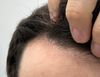
User is using minoxidil with tretinoin 0.025% and experiencing peeling and burning on the scalp. They are unsure if it's effective or if they are using it too frequently.
The user reports some hair regrowth after two months of using 1.5mm microneedling with Minoxidil and Nizoral shampoo. They note reduced pain and skin flaking, attributing changes to skin thickening and collagen induction.
Microneedling the scalp can cause sneezing, runny nose, and watery eyes due to nerve stimulation, histamine release, reflex actions, or sinus relief. Several users experience similar symptoms.
Hair loss can begin in early adolescence and cause mental anguish. Treatments mentioned include eating cruciferous vegetables, engaging in physical activity, and maintaining scalp hygiene.
The user experienced genital itching while using finasteride and noticed a yellow bump, which improved with clotrimazole, but the itching persists. The discussion focuses on side effects of finasteride.
The conversation discusses whether oily scalp and sebum can hinder the absorption of topical hair loss treatments like Minoxidil and Finasteride, even when using tretinoin. The user is skeptical about the effectiveness of these treatments due to their oily scalp condition.
A 22-year-old male uses dutasteride, a serum with 10% minoxidil and 0.5% finasteride, and microneedling for diffuse androgenetic alopecia. Progress pictures show changes from July 2025 to February 2026.
The user started using 5% liquid minoxidil on their scalp and noticed increased facial dryness and faster facial hair growth. They plan to reduce the application to once a day to see if it helps with the dryness.
The conversation is about finding online pharmacies to obtain tretinoin for hairline improvement, with suggestions including Amazon and nurx.com. Alternatives like adapalene are also mentioned.
Excessive scalp sebum, worsened by DHT, can lead to inflammation and hair loss, with clascoterone mentioned as a treatment. Diet changes seem ineffective for scalp sebum, and treatments like minoxidil and finasteride are suggested.
A 16-year-old is asking if their hair situation has improved after using rosemary oil, rosemary water, derma rolling, and ketoconazole, and is considering starting Minoxidil. Replies comment on the user's hairiness and high DHT levels.
The user suspects scarring alopecia and is exploring NSAIDs and turmeric/pepper for inflammation-related hair loss, having experienced burning and thinning with finasteride and testosterone reduction. They are seeking feedback while unable to afford a dermatologist.
A 21-year-old is concerned about androgenic alopecia and has been using minoxidil for a year, noticing some stabilization in the hairline but fears using it on the whole scalp due to seborrheic dermatitis. Another person suggests considering a psychiatrist for stress management, using Nizoral shampoo, and possibly trying a small dose of finasteride.
A user received a custom topical treatment for hair loss from Rootsbyga, which includes minoxidil and possibly other ingredients to enhance its effectiveness. The initial test cost $120, and the monthly topical costs around $70, with concerns about long-term use of steroids like hydrocortisone.
The conversation discusses the difficulty of applying tretinoin 0.025% cream on the scalp and considers switching to a gel for easier application. It also mentions that a liquid solution, ideally combined with minoxidil, may be more effective for hair treatment.
A 19-year-old is experiencing hair loss and shedding despite using Dutasteride and topical Minoxidil for six months. They are concerned about potential infections like folliculitis and are considering stopping the treatments due to stress and hair loss from various areas, including eyebrows and eyelids.
A user found relief from minoxidil-induced scalp itch by using a different product, as Nizoral dried out their scalp and worsened the condition. The conversation focuses on managing side effects of hair loss treatments.
The conversation discusses the tension theory of baldness, suggesting that over-developed masseter muscles may harm hair follicles. Botox injections to relax these muscles reportedly led to an 18% increase in hair count in men with AGA.
Quitting RU58841 after over two years reduced scalp itching and inflammation, despite concerns about losing hair gains. The user continues using finasteride and oral minoxidil.
Accutane may accelerate hair loss in genetically predisposed individuals by affecting enzymes related to DHT metabolism. Some users report hair loss after taking Accutane, while others use treatments like finasteride and minoxidil to manage hair loss.
White spots on a bald scalp, likely tinea versicolor, can be treated with ketoconazole or selenium sulfide shampoos like Selsun Blue. Consulting a dermatologist is recommended for proper diagnosis and treatment.
Liquid minoxidil caused mild seborrheic dermatitis on the user's eyebrows, likely due to propylene glycol. The user is considering switching to foam or oral minoxidil to avoid irritation on the scalp/temples.
The conversation discusses whether topical finasteride, dutasteride, or antiandrogens like RU58841 can reduce sebum overproduction as an early indicator of their effectiveness in treating hair loss. It suggests that while hair growth may take months to observe, a decrease in oiliness could be a quicker sign of a product's action.
A user experienced a dry, scaly scalp two weeks after microneedling with a dermapen at 1mm and applying Rogaine foam. They tried moisturizers and coconut oil without success and are seeking advice.
A 20-year-old male experienced significant hair regrowth after 6 months using oral dutasteride, topical minoxidil, and tretinoin. He noted side effects like occasional watery semen, lower libido, better erections, and no more acne.
An 18-year-old diagnosed with male pattern baldness is using probiotics, saw palmetto, pumpkin seed oil, soy isoflavones, biotin, fish oil, quercetin, a multivitamin, and ketoconazole shampoo. Replies suggest these methods are ineffective and recommend finasteride, minoxidil, and a derma roller.
The conversation discusses a 3-month update on using topical minoxidil, finasteride, microneedling, and ketoconazole shampoo for hair loss. Users express amazement at the progress and congratulate the original poster.
Finasteride can cause scalp itch and inflammation, possibly due to DHT changes, but these effects are often temporary and part of the shedding phase. Consistent use of finasteride may show results after 6 months, with potential hair regrowth and slowed hair loss.
A user reports a dry and flaky scalp after starting treatment with 5% minoxidil and 0.05% tretinoin, and is seeking advice on using olive oil or face moisturizer on the scalp. They also take finasteride and have tried microneedling, and are asking for the best time to moisturize after applying minoxidil.