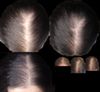
A user diagnosed with Crohn's disease is concerned it might contribute to balding. They have been using keto shampoo, finasteride, and oral minoxidil, which improved their hair but not significantly.
The conversation discusses microneedling for hair regrowth, emphasizing the importance of disinfecting the scalp to avoid infections. It also mentions using minoxidil and castor oil in the treatment routine.
Betnovate and mometasone furoate were tried for scalp issues, but Zoryve and Selsun shampoo were recommended for relief. Itraconazole was suggested for stronger treatment if topicals fail.
A 23-year-old male uses minoxidil and finasteride daily for androgenetic alopecia and is concerned about dandruff, which a dermatologist addressed with two serums. He uses ketoconazole shampoo twice a week to manage scalp issues.
Adding a daily scalp massage with an acupressure device before applying minoxidil can enhance its effects by improving blood circulation, with no side effects. Users are advised to continue microneedling weekly and consider using a derma stamp to avoid scarring.
A 20 year old male discussing his hair loss regimen, which includes using topical dutasteride, rogaine, RU58841, minoxidil and Avodart pills as well as scalp massage, stabbing head with steak knife, counting shed hairs under a hair net and sending them to a lab for analysis. Suggestions from other users include scalping method and switching to saw palmetto and zinc supplements.
A 17-year-old male has experienced significant hair loss within 4 months, noticing scalp visibility constantly. He's used ketoconazole shampoo, and his dermatologist recommends minoxidil and finasteride when he turns 18, but he's considering shaving his head due to the rapid hair loss.
The conversation is about hair regrowth using high-dose dutasteride, oral minoxidil, and microneedling. Users discuss seeing tiny hairs and hope they will become terminal, with advice to use derma rolling weekly for better results.
A 20-year-old male using Minoxidil and finasteride for 6 months and keto shampoo for 5 months saw initial improvement in dandruff, but the condition returned. He recently started using 3% salicylic acid shampoo and seeks advice for persistent dandruff, which is oily and localized to the left side of his scalp.
The conversation provides tips to reduce facial skin side effects from Minoxidil, such as changing pillowcases, sleeping on the back, careful application, hydration, and taking breaks. One reply suggests that alcohol in Minoxidil formulations, not Minoxidil itself, may cause skin aging.
A woman experiencing hair loss and facial hair growth suspects PCOS or androgenic alopecia and is considering treatments like Rogaine, but is concerned about the cost. She has tried various hair care methods and is awaiting a hormone doctor appointment, while others suggest she may have a hormonal imbalance and recommend seeing a gynecologist or trying cheaper versions of Rogaine.
Natural DHT blockers caused negative side effects like weak erections and depression, while finasteride improved overall well-being and cleared acne. Users shared similar experiences, finding finasteride effective without the adverse effects of natural treatments.
Ketoconazole, once popular for hair health, is now less mentioned, with mixed reviews on its benefits for scalp health. Microneedling is discussed as a potential alternative to traditional treatments like finasteride and minoxidil, with varied opinions on its effectiveness.
Azelaic acid is discussed for its anti-inflammatory and anti-fungal properties, which can improve scalp health and potentially boost hair growth. It is suggested for topical use, especially alongside minoxidil.
The user discusses the potential impact of external DHT in sebum on hair loss and plans to wash their hair daily with salicylic acid exfoliation. They believe this might help reduce hair loss despite internal factors.
The user experienced excessive scalp oiliness and high testosterone levels after switching from finasteride to dutasteride. They plan to manage their condition with finasteride and are considering spironolactone to reduce testosterone and restore dry skin.
The post and conversation are about a user's 6-month progress using topical dutasteride, 8% minoxidil, tretinoin, 2% ketoconazole shampoo, microneedling, oral finasteride, pumpkin seed oil, Vitamin D3, a men's multivitamin, rosemary oil, and 5% minoxidil foam for hair loss treatment.
A user's hair loss treatment regimen, which includes minoxidil, ketoconazole shampoo and microneedling; some participants questioned the results due to previous posts about hair transplants, but others agreed that quick results are possible with certain treatments.
The conversation discusses using a TCA 35% chemical peel on the scalp to potentially improve hair growth by addressing fibrosis and enhancing the effectiveness of topical treatments. The user also mentions trying microneedling and other methods like topical metformin and dutasteride for hair regrowth.
The user experienced hair regrowth using minoxidil and finasteride but reported scalp itching, possibly due to the liquid form of minoxidil. They also use ketoconazole shampoo to manage flakes, which they clarify are not dandruff.
Use tretinoin three times a week, dermaroll once a week, and apply minoxidil daily, but avoid using all three on the same day. Tretinoin is preferred over hydrocortisone and should not be used immediately after dermarolling.
The user had been using Minoxidil and Dutasteride with micro-needling but experienced hair loss after switching Minoxidil brands. Their doctor prescribed oral Minoxidil and Tretinoin, but the pharmacist suggested isotretinoin might be a more cost-effective alternative.
The conversation discusses hair loss treatments, including finasteride, Nizoral shampoo, peppermint/castor oil with saw palmetto, and plans to start oral minoxidil. The user seeks advice on managing scalp buildup and flakiness from topical minoxidil, especially for curly hair, and considers using both oral and topical minoxidil.
Finasteride and dutasteride may increase estrogen levels, leading to water retention and a fuller face. Users discuss managing these effects with lifestyle changes and supplements like zinc and DIM.
Adding Nizoral Shampoo (ketoconazole 2%) improved hair quality and reduced scalp irritation. Alternatives like zinc pyrithione shampoo and Piroctone Olamine were also discussed.
Using tretinoin or tazarotene with minoxidil may eliminate the need for microneedling or dermastamping. Microneedling can enhance minoxidil's effects but may cause long-term scalp issues.
A 20-year-old is experiencing hair loss and is using finasteride, ketoconazole, and topical minoxidil. They suspect retrograde alopecia due to hair loss on the sides and nape, despite noticing some hair thickening on top.
User noticed black dots along the hairline and temples, questioning if it's regrowth. They are using a regimen including Dutasteride, oral and topical Minoxidil, and a compounded topical treatment.
A user is experiencing severe hair loss and dandruff, trying various treatments including Minoxidil, Nizoral 2% Ketoconazole, Neutrogena T/Gel, coconut oil, baby shampoo, apple cider vinegar, aloe vera gel, and tea tree oil. They believe the issue is not genetic and are seeking advice and solutions.