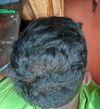
The user has been microneedling at 0.25mm once a week for 4 weeks and noticed further hairline recession. They are concerned about the impact of vitamin deficiencies, like biotin, on hair growth.
The user is using minoxidil, finasteride, dermarolling, and other treatments for hair regrowth, showing promising results in the temple area. Despite some skepticism, there is optimism about potential improvement.
A 24-year-old has been using Minoxidil and finasteride for 1.5 years with mild improvement but is being rejected for hair transplants due to age and diffuse thinning. They are seeking advice on what to do next.
Hair cell therapy and follicle cloning are still in experimental stages, with treatments like hair multiplication and regenerative hair therapy being marketed but not yet proven to create unlimited new follicles. There is skepticism about the effectiveness and legitimacy of these treatments, with some considering them scams.
The user has seen significant hair regrowth using a routine of minoxidil, finasteride, microneedling, scalp massage, and Nizoral. They are considering adding red light therapy and PRP to their regimen.
The conversation discusses hair loss, with users suggesting treatments like ketoconazole shampoo, finasteride, and dutasteride. Symptoms like burning and tenderness are mentioned, with recommendations to see a dermatologist for potential scarring alopecia.
The user is using a combination of microneedling, minoxidil, tretinoin, scalp massages, and red light therapy to address hair loss, with a focus on the hairline and temples. They emphasize the importance of scalp massages and have seen regrowth, attributing success to their comprehensive routine.
The user experienced hair thinning and was diagnosed with alopecia incognito and male pattern baldness. They are using minoxidil, finasteride, and dutasteride scalp injections, reporting gradual improvement with no side effects.
The conversation humorously discusses inducing goosebumps to potentially reverse hair loss, with mentions of using cold therapy and muscle exercises. It also references other unconventional ideas like removing a testicle to lower DHT.
A user struggled with hair loss and ineffective vitamin treatments from their doctor. They eventually obtained a finasteride prescription through a telemedicine service and felt relieved.
After 6 months of using 1mg finasteride daily and ketoconazole shampoo twice a week, an individual saw hair loss improvement. They also maintain a good diet and regular gym routine but do not train their calves.
An 18-year-old is seeking advice on microneedling while using RU58841 for hair loss. Recommendations include using a derma pen with 0.5mm needles every two weeks and avoiding RU application for 24 hours post-microneedling to prevent absorption into the bloodstream.
A user had a 2250 graft hair transplant using both FUT and FUE methods, and is currently using finasteride, minoxidil, multivitamins, and biotin. Opinions vary on the effectiveness and appearance of the procedure, with some suggesting additional treatments or considering alternative options like shaving or using a hair system.
Balding scalps have more androgen receptors, leading to increased TGF-beta, which causes blood vessel loss and hair follicle miniaturization. Blocking androgen signaling and TGF-beta may help prevent hair loss.
A user shared an 18-month update on their crown hair transplant, performed by Jason Sorgi at Boston Hair Restoration, expressing satisfaction with the results. They continue to use oral minoxidil and finasteride to maintain hair health.
Microneedling can potentially damage hair if not done carefully, with suggestions to press instead of roll and to use a pen. It's recommended to microneedle once a week at 1.5mm and wait 24 hours before applying Minoxidil to avoid unwanted absorption.
The user's experience with oral minoxidil, which resulted in under-eye wrinkles; other users sharing their experiences and advice regarding hair loss treatments such as topical minoxidil, finasteride, RU58841, and collagen supplementation.
An 18-year-old experiencing diffuse hair thinning since 8th grade seeks advice. They are concerned about having less hair than their 52-year-old father and are looking for treatment options.
Treatments for hair loss, including topical dutasteride minoxidil, tretonin, dermarolling, serioxyl, and redensyl over a period of 3 months; switching from RU58841 to pyrilutamide was suggested with potentially less risk of systemic side effects; and encouragement to not give up hope.
User shared 4.5-month hair loss treatment results using Fin, Minoxidil, and microneedling. Others discussed postponing hair transplant and adjusting microneedling depth.
A trans man is experiencing hair loss due to testosterone therapy but is unwilling to stop the treatment despite concerns about using finasteride. The individual is distressed about balding at a young age but acknowledges it is genetic.
The conversation is about the potential risk of permanent hair loss from PRP (platelet rich plasma) treatments and whether PRF (platelet rich fibrin) carries the same risk. The user is seeking information on this topic.
A satirical discussion about a hair transplant, with humorous comments on graft placement and clinic choice. The conversation includes references to a "Rebuild a Scalp Clinic" and jokes about using pubic hair and overharvesting.
Oral minoxidil caused changes in hair texture, making it curly, dry, and lifeless, raising concerns about whether this is a temporary phase or permanent. Users discussed potential side effects of oral minoxidil, including heart issues, and suggested consulting a dermatologist and monitoring health markers.
The conversation discusses the use of spironolactone, cyproterone acetate, and bicalutamide for hair loss, with concerns about side effects like gynecomastia and depression. Topical spironolactone is considered safe for men and effective when combined with regular treatments.
The conversation is about the struggles of dealing with diffuse thinning at a young age and the lack of significant improvement after using treatments like finasteride and minoxidil. Some suggest additional methods like derma rolling, microneedling, and hair fibers, while others share their own experiences and encourage persistence with treatment.
The conversation discusses hair loss treatment progress 11 weeks after a crown transplant. The user is using minoxidil every two days and biotin daily, without finasteride.
The conversation is about people with advanced hair loss (Norwood 6 or 7) who have seen significant hair regrowth using treatments like finasteride, minoxidil, microneedling, and RU58841. Nine cases were collected to motivate others to try these treatments despite advanced hair loss.
Clascoterone (Breezula) showed positive results for treating hair loss without affecting cortisol levels. Opinions vary, with some users optimistic about its potential and others critical of its effectiveness compared to existing treatments like finasteride.