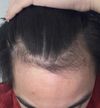
A male in his early 20s with CCCA (scarring alopecia) started treatment with Finasteride, Fluocinolone, and Doxycycline. Steroid injections were suggested but not yet done.
The user experienced severe hair shedding despite using oral finasteride, minoxidil, dutasteride, and RU58841, and was diagnosed with Non-Alcoholic Fatty Liver Disease (NAFLD). They are considering switching to topical treatments due to the ineffectiveness of their current regimen.
PP405 is a potential hair loss treatment that inhibits mitochondrial pyruvate carriers, increasing lactate dehydrogenase activity and stimulating hair follicle stem cells. In a phase 1 trial, 31% of participants showed over 20% hair density increase with PP405 treatment.
PP405 and hair cloning are discussed as potential treatments for reversing hair loss from Norwood 7 to Norwood 1. Hair cloning is seen as a more permanent solution, while PP405's effectiveness and long-term effects remain uncertain.
TGF-B affects hair growth, both causing stem cell division and death depending on amounts. Amplifica's treatment injects Scube3 to increase TGF-B for hair growth.
Pelage Pharmaceuticals announced positive Phase 2a trial results for PP405 in hair loss therapy. The conversation discusses the delay in publishing full results and the need for further trials and approvals.
User Wonderful_Tonight910 suffered from hair loss and seborrheic dermatitis for years. After using irritant-free shampoo, their scalp improved, hair loss stopped, and new hair growth appeared.
After a second session of Platelet-Rich Plasma (PRP) treatment for hair regrowth, the user is experiencing increased shedding of thick and dark hairs and is concerned about whether this is temporary. They are seeking others' experiences with PRP, specifically regarding the duration of shedding and eventual positive outcomes.
Using tretinoin or tazarotene with minoxidil may eliminate the need for microneedling or dermastamping. Microneedling can enhance minoxidil's effects but may cause long-term scalp issues.
A 32-year-old male is considering options to soften a dense transplanted hairline after experiencing accelerated hair loss and intolerance to finasteride and dutasteride, while using minoxidil. He is exploring partial electrolysis or laser treatments to achieve a natural look with a short buzz cut, avoiding a second transplant or scalp micropigmentation.
A 17-year-old is experiencing rapid hair loss from NW1.5 to NW3 in six months and feels dermatologists are unhelpful. They are using Minoxidil (Rogaine) and seeking advice on application.
Winlevi (clascoterone) is discussed as a treatment for hormonal acne and seborrheic dermatitis due to its ability to block DHT and regulate sebum production. The post suggests that Winlevi could offer a novel approach for managing seborrheic dermatitis.
The user is unsatisfied with their hair transplant and is considering another transplant, PRP, exosomes, or stem cells. They currently use topical minoxidil, dutasteride, and tretinoin.
The user experienced significant hair regrowth using 5 mg daily oral minoxidil and ketoconazole shampoo, improving from Norwood 3 to Norwood 2. They recommend starting treatment early, noting reduced shedding and stable results.
Mallia Aesthetics has developed MAL-838, a hormone-free product derived from sCD83, which stimulates hair growth without disrupting the skin microbiome. sCD83 promotes hair growth by activating hair follicles and preventing cell death, offering a localized treatment without systemic side effects.
The conversation is about the effectiveness of topical melatonin for hair loss. No specific treatments were discussed, only a sarcastic suggestion to go to tropical places and eat coconuts.
The conversation is about the progress of verteporfin in hair loss trials, with users expressing curiosity about its effectiveness and updates. Specific treatments mentioned include FUE (Follicular Unit Extraction) combined with verteporfin, with one reported case of donor area regrowth after a year, and three patients being monitored post-treatment by Dr. Bloxham with monthly updates on YouTube.
A user is seeking recommendations for dermatologists or hair clinics in the Greater Sacramento or Bay Area for exosome treatments, comparing topical application plus microneedling versus direct scalp injections. They are also asking for personal experiences and before-and-after photos.
The user is experiencing hair loss and is seeking a topical product without alcohol that doesn't irritate the scalp or make hair brittle. They have previously used minoxidil and finasteride but had negative experiences, and are considering a gel-based product recommended by another user.
Hair care products for those using minox, keto, fin, and microneedling are discussed. Nizoral 2%, Revita shampoo, Nioxin system 2, Aveda thickening tonic, Hanz De Fuko Claymation, and Morrocanoil Texture Clay are mentioned as options.
A user is joining a clinical trial for Clascoterone, a drug approved for acne but being tested for hair loss. They previously tried finasteride with limited success and plan to share updates on their experience with the new treatment.
Fluridil degrades androgen receptors, which are prevalent in the scalp and other tissues. People with androgenetic alopecia (AGA) may have higher expression of these receptors and 5AR activity in affected scalp areas.
Emerging hair loss treatments like PP405, a topical MPC inhibitor, show promise in activating stem cells for hair growth. The conversation seeks information on the development stages and accessibility of these treatments.
Hair cell therapy and follicle cloning are still in experimental stages, with treatments like hair multiplication and regenerative hair therapy being marketed but not yet proven to create unlimited new follicles. There is skepticism about the effectiveness and legitimacy of these treatments, with some considering them scams.
The user is experiencing diffuse thinning and has tried treatments like topical and oral finasteride, oral dutasteride, topical minoxidil, microneedling, melatonin, and caffeine without success. Despite using these treatments for over four years, the user reports continued hair thinning and is considering trying RU58841.
The user "dsx460" shared their progress pictures of hair regrowth using a combination of topical finasteride, minoxidil, microneedling, and a keto diet. They are happy with the progress and hope for further improvement.
The conversation is about a user complaining about the strong smell of a stemoxydine serum used for hair loss. Other users suggest that the product might be counterfeit due to its unpleasant odor.
RU58841 cured seborrheic dermatitis, oily scalp, dandruff, and scalp pain, improving hair health when combined with Minoxidil. Another user noted diet impacts their seborrheic dermatitis and that finasteride hasn't changed their condition.
Recruitment for a verteporfin trial and a separate hair cloning trial using verteporfin and other methods is underway, with locations in Jordan, NYC, Beverly Hills, and Memphis. Dr. Bloxham is conducting the hair cloning trial, and interested participants are encouraged to contact him directly.