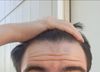
Finasteride typically helps maintain the existing hairline and taking 0.5mg MWF is considered effective. Hair transplants remain an option if further treatment is needed.
Shedding is common with minoxidil, and it often indicates new hair growth. Users discuss experiences with minoxidil, finasteride, and dutasteride, noting that results can vary and patience is needed.
The user has been using 1.25 mg finasteride, 10 mg oral minoxidil, ketoconazole shampoo, and occasional micro-needling for hair loss, noting some regrowth, especially at the temples. Another user expresses relief and encouragement from the post, as they are starting similar treatments.
Use finasteride or dutasteride with minoxidil for at least a year to improve hair density before considering a hair transplant. A transplant might be needed if medications don't provide sufficient regrowth.
A 26-year-old male experienced hair regrowth using finasteride, minoxidil foam, and micro-needling over 2-3 months, with significant improvement in the crown, sides, and temples, but less in the hairline. He noted side effects like fluid retention in the ankles and weight gain but no change in libido.
Tiny blond hairs on the vertex may indicate early hair regrowth from using dutasteride and minoxidil. Consistent treatment is advised, with potential for thicker hair over time, but a hair transplant might be needed for significant results.
Scientists at UCLA have developed a promising treatment for male pattern baldness using a molecule called PP405, which can potentially stimulate dormant hair follicles. Initial trials showed significant results within a week, but larger clinical trials are needed to confirm its efficacy and safety.
A 21-year-old experiencing significant hair loss is considering a hair transplant and has been using finasteride and biotin, with plans to switch to dutasteride and oral minoxidil for better regrowth. They are seeking advice on the number of grafts needed, with suggestions ranging from 2,500 to 6,000, and are exploring different clinics and treatment options.
The conversation discusses using finasteride for 2 years and dutasteride for 6 months to treat hair loss, resulting in significant improvement. The user did not experience side effects and did not use other treatments like minoxidil, supplements, or micro-needling.
The user is frustrated with ongoing hair loss despite using oral finasteride and topical minoxidil. They are considering adding magnesium to their diet and exploring other treatments like micro-needling and keto shampoo.
A 26-year-old male has been using dutasteride for one year after previously using finasteride, along with 5% minoxidil and micro-needling, to treat hair loss. He reports no side effects and is satisfied with the progress, noting some shedding as part of the hair cycle.
Long-term use of dutasteride may impair semen volume and sperm motility, but these effects are often reversible after stopping the drug. Individual reactions vary, and more research is needed to understand the long-term impact on fertility.
Topical Metformin shows potential for regenerating hair follicles and minimizing scarring in hair transplant donor areas, similar to Verteporfin but without its side effects. The discussion suggests considering Metformin for post-hair transplant care, though more human trials are needed.
The user has been using minoxidil and finasteride for 3.5 months and has seen a 20% improvement in hair density. They are advised to continue treatment and consider switching agents or adjusting dosages if needed.
The user started finasteride early for hair loss but saw no improvement, feeling hopeless despite adding dutasteride. Others suggest trying minoxidil, micro-needling, or considering blood flow issues, while some share similar struggles or suggest acceptance.
The user reported noticeable hair regrowth after one month using biotin, zinc, RU58841, finasteride, minoxidil, micro-needling, and oils like rosemary, castor, and argan. They experienced no side effects from oral minoxidil and finasteride, and they apply topical minoxidil twice daily.
Use minoxidil and finasteride for 1-2 years to promote regrowth and stabilize hair loss before a transplant. Long-term use of these medications is needed to maintain results and prevent further loss.
A user shared their progress with hair regrowth using only finasteride, noting significant improvements after about a year and a few months. They experienced no side effects and do not plan to add minoxidil, considering a small hair transplant in the future if needed.
Combining PRP with topical minoxidil 5% and finasteride 0.25% for hair loss treatment. One user reported success using minoxidil and finasteride with micro-needling, but not PRP.
A 20-year-old experiencing hair shedding after starting oral finasteride is advised to continue treatment and consider adding topical minoxidil. Shedding is normal, and patience is needed for hair regrowth.
The user experienced some hair regrowth using twice daily topical 5% minoxidil and once daily oral 1mg finasteride, along with dermarolling. They plan to continue this regimen for at least two years and may try additional treatments if needed.
The conversation is about making a 20mg/ml RU58841 solution for hair loss treatment using ethanol and propylene glycol. The user receives advice on calculating the correct amount of RU58841 powder needed.
The conversation discusses creating a foam version of RU58841 for easier application on thick hair, comparing it to minoxidil foam. The user currently uses dutasteride, minoxidil, and needling for hair loss treatment.
The conversation discusses hair regrowth after 3 months of using 2.5mg oral minoxidil and 0.5mg dutasteride, with mixed opinions on the effectiveness and suggestions to increase minoxidil dosage or consider a hair transplant. Some users recommend additional treatments like dermarolling and micro-needling, while others share personal experiences with side effects and alternative treatments.
Use finasteride, minoxidil, and dutasteride for hair loss, with micro-needling as an additional option. Consider a hair transplant if unsatisfied, and avoid unproven treatments like RU58841.
Finasteride and dutasteride must be taken continuously to prevent hair loss, and minoxidil should also be used long-term. Patience is needed as results from these treatments can take months to over a year to appear.
The user is using oral minoxidil for hair loss and is considering its effects on facial hair. They are advised that minoxidil can help with facial hair, but a DHT blocker like finasteride is needed for head hair.
Verteporfin reduces scar tissue in hair transplants but doesn't significantly regrow hair follicles. More testing is needed to determine its effectiveness.
The user has been using 2mg minoxidil and 1mg finasteride daily for over a year, with inconsistent use for two months, and is experiencing a shedding phase. Suggestions include adding dutasteride, micro-needling, and considering a shorter haircut to manage appearance during shedding.