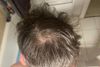
The conversation is about concerns and advice regarding microneedling for hair loss, with potential risks like chronic inflammation, scarring, and folliculitis. The user has been using minoxidil, finasteride, and stemoxydine with good results and is considering adding microneedling, with recommendations for using a dermastamp or pen.
People are discussing if microneedling alone or with tretinoin is effective for hair loss without using minoxidil or finasteride. They are questioning the viability of these treatments by themselves.
Microneedling on the vertex may require trimming hair to ensure needles reach the scalp effectively. Using a needle length of 1.0–1.5 mm is suggested, and longer hair might get damaged if not cut.
The user is using minoxidil, finasteride, dermarolling, and other treatments for hair regrowth, showing promising results in the temple area. Despite some skepticism, there is optimism about potential improvement.
The user experienced significant hair regrowth in 5 weeks using Minoxidil, Finasteride, Dutasteride, biotin, collagen, derma stamping, and a mixture of oils, leading others to label them a "hyper responder." Some users advised caution with microneedling frequency to avoid potential scarring.
Microneedling may enhance hair loss treatment by increasing the effectiveness of topical minoxidil, especially for those lacking the necessary enzyme to activate it. It might also work by triggering growth factors and improving topical absorption.
The conversation is about a 40-year-old trying a homemade topical hair loss treatment combining finasteride and minoxidil, and considering microneedling after previous side effects from oral finasteride. They plan to provide updates on the results and any side effects.
The conversation is about experimenting with topical exosomes for hair loss treatment, alongside microneedling, Happy Head's gel-like topical, and Ordinary's hair serum. The user also mentions the availability of treatments like latanoprost and Redensyl.
A 22-year-old male is experiencing hair loss due to seborrheic dermatitis, not male pattern baldness, and is seeking advice. Suggestions include using Nizoral, sulfate-free and ketoconazole shampoos, cutting hair short, using cold water, avoiding picking scabs, and trying selenium sulfide shampoo or finasteride.
The user is allergic to minoxidil and plans to try Redensyl hair serum and derma rolling for hair regrowth. They cannot start finasteride until age 18.
Pelage Pharmaceuticals' PP405 aims to treat hair loss by reactivating dormant hair follicle stem cells, showing promising results in early trials. The company plans to present their findings at the American Academy of Dermatology Annual Meeting in 2026.
Concerns about using topical minoxidil with tretinoin around toddlers due to potential exposure. Some suggest using oral minoxidil instead to avoid risks.
The conversation is about using RU58841 and microneedling (1.5mm) for hair loss. The user seeks advice on whether to avoid applying RU58841 on microneedling days to prevent it from becoming systemic.
A participant using Veradermics VDPHL01, an extended-release oral minoxidil, experienced significant hair regrowth from Norwood 6 to Norwood 3V without side effects. They plan to use dutasteride after the treatment to maintain results.
Microneedling can enhance hair growth results when combined with finasteride and minoxidil, with noticeable improvements in 1-2 weeks. The derminator 2.0 is recommended for best results.
Hair cloning and injection of dermal papilla cells are discussed, with skepticism about their availability by 2023. Users mention Minoxidil, finasteride, and hair transplants as current treatments.
The user experienced noticeable hair regrowth, especially at the hairline, after using Minoxidil, microneedling, vitamins, and specific shampoos for 2-3 months. They are considering adding finasteride but are hesitant due to potential side effects.
The user has been using a hair loss treatment protocol including topical dutasteride, minoxidil with tretinoin, ketoconazole shampoo, microneedling, a laser cap, and vitamin D for 15 weeks, showing impressive progress. Feedback suggests continuing medical therapy for 12-24 months before considering a hair transplant.
Verteporfin is being discussed for its potential to regrow hair and heal scars, possibly aiding hair transplants or replacing them. Some users are skeptical about its effectiveness, while others suggest combining it with microneedling for better results.
The conversation is about recommending safe and effective dermaroller or dermastamp brands for hair loss treatment. Users discuss avoiding cheap options to prevent scalp damage and share usage frequency.
The user is using 5% minoxidil, 1mg finasteride, and a 1.5mm dermaroller 1-2 times a week for hair growth, noting improved growth speed and density. They avoid applying minoxidil immediately after dermarolling due to skin irritation.
The conversation is about someone's improvement in hair density and hairline appearance after consistently using finasteride, topical minoxidil, dermarolling, and ketoconazole. They shared a progress picture showing the best results they've seen since starting treatment.
A user is using microneedling and rosemary/peppermint oil to treat hair loss, avoiding chemicals due to potential side effects. They have seen baby hairs growing after five weeks and plan to continue for a year.
Microneedling is still considered effective for hair growth, especially when combined with minoxidil, though it is time-consuming. Some users report significant success with consistent use, while others find it less popular due to the effort required compared to topical treatments alone.
Hair follicles can be dormant and potentially revived with treatments like finasteride and minoxidil, but irreversible loss occurs if certain structures are destroyed. Early intervention is more effective, and additional methods like microneedling may help.
A 30-year-old shared their 7-month hair regrowth progress using topical minoxidil twice daily, 1 mg finasteride daily, and weekly microneedling. Users discussed the effectiveness of these treatments and suggested adding retinol for better results.
The conversation discusses hair thinning potentially caused by seborrheic dermatitis, with the user considering over-the-counter treatments like Head and Shoulders, Selsun Blue, and Nizoral, while maintaining keratin-treated hair. A suggestion is made to use raw organic honey as a hair mask to treat seborrheic dermatitis without affecting keratin treatments.
A user experienced rapid hair loss and was prescribed Desonide cream for mild Alopecia. They are seeking feedback on its effectiveness and potential side effects.