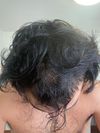
A 12-year-old diagnosed with alopecia shares their experience and current treatments, including Dermovate, an unnamed cream, and liquid iron. The community offers support and encouragement.
Sodium dodecyl sulfate, oleic acid, and palmitoleic acid may promote hair growth, but their safety and effectiveness for humans are uncertain. Users consider trying these treatments cautiously, exploring alternatives like ostrich oil and microneedling.
The conversation discusses concerns about getting a buzz cut years after a FUE hair transplant due to an unnatural look and thinning hair. Suggestions include trying a buzz cut and considering scalp micropigmentation (SMP) as an option.
A 23-year-old male shares his 4-month hair regrowth progress using oral minoxidil, oral finasteride, collagen, biotin, keto shampoo, and dermarolling. He notices fuller hair but minimal visible change, and considers adding topical minoxidil despite concerns about consistency.
A 17-year-old in the UK seeks advice on mitigating hair loss until finasteride becomes an option at 19. Recommendations include using Minoxidil and considering other treatments like specific shampoos and dietary changes.
The user is experiencing good hair regrowth using topical minoxidil, oral finasteride, biotin, and ketoconazole shampoo. They are curious about when the regrowth will plateau.
Hair growth progress using Propecia, Minoxidil, dermarolling, ketoconazole shampoo, and vitamins. Noticeable hair growth in temples after 3 months and 10 days.
User noticed hair growth after 1.5 months using Fin, Min, stemoxydine, dermarolling, nizoral, and scalp massage. Others commented on promising results and potential improvement in 6 months.
The user shared progress pictures showing 7-8 months of hair regrowth using Minoxidil, finasteride, Nizoral, dermarolling, and biotin. The hairline remains the same, but overall hair looks better.
The conversation is about experimenting with topical exosomes for hair loss treatment, alongside microneedling, Happy Head's gel-like topical, and Ordinary's hair serum. The user also mentions the availability of treatments like latanoprost and Redensyl.
A 15-year-old is experiencing uneven hair loss, with one temple receding significantly. They are considering using finasteride, minoxidil, or dutasteride to slow hair loss before visiting a dermatologist, and may consider a hair transplant in the future.
The user shared progress pictures showing hair growth after six months of using topical minoxidil twice daily, finasteride once daily, derma rolling every four days, and initially taking zinc and vitamin D. They also used scalp massaging techniques with minoxidil.
The user is generally happy with their hair transplant results but has concerns about graft density and placement, particularly on the left temple and hairline. They are using finasteride and minoxidil inconsistently, plan to add Priorin, and are considering microneedling and PRP sessions for future care.
The conversation discusses using a TCA 35% chemical peel on the scalp to potentially improve hair growth by addressing fibrosis and enhancing the effectiveness of topical treatments. The user also mentions trying microneedling and other methods like topical metformin and dutasteride for hair regrowth.
The user is experiencing hair loss, possibly due to androgenetic alopecia and seborrheic dermatitis, and has tried ketoconazole shampoo without success. They are hesitant to use finasteride due to potential side effects and are seeking advice on managing their condition.
A 16-year-old is experiencing severe hair thinning and wants to start finasteride but is advised to wait until at least 20. In the meantime, minoxidil is suggested as an alternative.
A 19-year-old is experiencing hair thinning at the corners and some hair loss during sleep and washing. They are seeking advice on which treatment to start.
A user is experiencing severe hair loss, diagnosed with seborrheic dermatitis, and is using Ketoconazole and beclomethasone. They are concerned about potential female pattern baldness and are seeking reassurance and advice.
Lasering off body hair does not boost scalphair growth, as removing body hair does not redirect hair growth substances to the scalp. The idea that body hair uses up resources needed for scalphair is incorrect, and treatments like finasteride are suggested for addressing hair loss.
A 31-year-old male experiencing hair thinning since age 25-26 uses minoxidil, finasteride, a red laser cap, and microneedling to promote hair growth. Users suggest reducing microneedling frequency to once a week to avoid damaging hair follicles.
The conversation discusses using scalp massage, balms like Ethera and L'Occitane, and dietary changes such as rosemary tea and tofu to address hair loss. The user is also considering high-intensity interval training and slow breathing to improve hair regrowth.
A 17-year-old is concerned about hair thinning and unable to see a dermatologist for a year. They are advised to consider using topical minoxidil and possibly finasteride in the future.
A 22-year-old male experiencing hair thinning has been using topical finasteride and minoxidil since September 2024, with improvement except in the frontal/middle scalp area. He seeks advice on additional treatments and has started scalp massages.
The user shared progress on hair loss treatment using Nanoxidil, which initially caused scalp irritation. They are pleased with their progress since starting the treatment in March.
The user has been using topical 5% Minoxidil, 0.1% Finasteride, dermastamping, 2% ketoconazole, and a DHT-blocking shampoo with saw palmetto, caffeine, biotin, and argan oil for hair loss. Despite some baby hair growth on one side, the user is experiencing continued hairline recession and shedding, leading to distress.
A user who got a hair transplant and gave their experience with it, including how the donor area recovered quickly and the potential risks of getting a hair transplant at a young age. Other users discussed bleaching and dyeing transplanted hair, as well as asking about the clinic where the procedure was done.
Hair transplants can initially yield good results, but native hair is more reliable, and transplanted hair may still be lost over time. Early intervention with treatments like topical finasteride and minoxidil is recommended, but it's important to start with lower doses and manage expectations realistically.
Lichen Planopilaris (LPP), a form of permanent hair loss, which can be mistaken for seborrheic dermatitis and is characterized by scalp itching, burning, redness, and dandruff. Treatment options discussed include steroidal creams, finasteride, minoxidil, and RU58841.
A user experimented with applying hot water to their scalp to potentially stimulate hair growth, noting reduced dandruff but uncertain hair loss results. They started this method due to side effects from minoxidil and are considering taking a break to observe changes.
Hair loss progress after 12 months using minoxidil, finasteride, and microneedling. Goal is to maintain and improve hair until old enough for hair transplant.