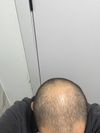
The user reported subtle hair regrowth by focusing on scalp health and lifestyle changes, using Nizoral shampoo and methods to reduce inflammation and cortisol, without using finasteride, minoxidil, or other common treatments. Opinions in the conversation varied, with some skeptical of the results and others acknowledging the potential benefits of addressing scalp health and inflammation.
A user discusses using latanoprost, a costly treatment that may extend the hair growth phase and improve hair quality, wondering why it's not more popular. They already use a combination of finasteride and minoxidil and plan to incorporate latanoprost into their routine.
Microneedling for hair loss involves sterilizing tools and possibly using serums like minoxidil or hyaluronic acid. Users report different routines, including applying minoxidil immediately after microneedling, using finasteride, and washing with ketoconazole shampoo.
A user shared progress photos showing hair regrowth using 5% minoxidil foam, microneedling, and 2% ketoconazole. They also started taking multivitamins and are considering adding finasteride.
Users discuss hair loss and styling techniques to conceal thinning hair, mentioning treatments like finasteride and oral minoxidil. Some stop hair loss but not regrow hair, considering options like scalp micropigmentation or hair transplants.
A user shared their 11-month experience using a 272 diode red light hat for hair loss, noting decent results despite inconsistent use and no medication. Another user suggested that real treatment like minoxidil or finasteride is necessary for long-term hair maintenance.
The conversation discusses the potential market release of a hair loss treatment called GT20029 by Anageninc, with users expressing interest and discussing the importance of safety and effectiveness. Some users plan to contact Anageninc to show demand for the product.
The conclusion of the conversation is that the user, PirateBeastBaby, had good results with microneedling for hair loss after using oral finasteride and topical minoxidil 20 years ago. They believe that microneedling was the gamechanger for their hair growth.
A person improved hair loss from Norwood 3 to Norwood 2 using a topical formula with minoxidil, dutasteride, and tretinoin, plus oral minoxidil and red light therapy. There is skepticism about the treatment's effectiveness and concerns about misleading comparison photos.
Microneedling once a week at 1mm caused bumps, possibly scars, in the treated area. The user is considering cleaning the skin before microneedling to prevent this issue.
Current hair loss treatments include finasteride, dutasteride, minoxidil, and derma rolling. New treatments like TDM-105795, GT20029, and others show promise but require more testing and time before approval.
The user discusses their struggle with hair loss and inability to use Minoxidil or finasteride due to medical conditions. They are currently using Hairmetto gel and dermarolling, and are considering trying Breezula or Revivhair serum.
The conversation discusses using minoxidil and microneedling to potentially thicken small hairs on the forehead after a hair transplant. It also mentions the importance of using an oral DHT blocker for hair growth.
The user is using oral minoxidil for hair growth and is considering adding topical latanoprost, but is concerned about potential eye color change. They are seeking advice on the effectiveness of latanoprost for hair thickening and the risk of eye color change.
The user is addressing hair loss with finasteride, dutasteride, oral and topical minoxidil, dermarolling, and shampoos. They are considering adding essential oils to improve circulation.
The conversation discusses using topical synthetic prostaglandins like Bimatoprost, Latanoprost, and cetirizine for hair growth. The user shares a link suggesting these treatments may be effective.
A new company is introducing a topical treatment combining Minoxidil, Finasteride, and Bimatoprost for hair loss. Users are also inquiring about updates on a minoxidil-enhancing shampoo from Applied Biology.
The user shared progress pictures showing hair regrowth over 7 months using topical Minoxidil, topical Finasteride, and multivitamins with biotin, noting more regrowth at 3 months than at 7 months. They suspect a shedding phase and are considering the impact of not continuing microneedling.
A user shared their 6-month progress using 1mg finasteride, daily minoxidil, 1.5mm microneedling twice a week, biotin, and Nizoral shampoo, showing significant hair regrowth. Other users were impressed, noting the regrowth resembled a hair transplant.
Stopping microneedling may result in losing hair gains, as it enhances the effectiveness of treatments like minoxidil. Combining microneedling with minoxidil and finasteride is more effective than using microneedling alone.
The post and conversation are about skepticism towards a new hair loss treatment containing 2-deoxy-D-ribose, copper peptides, and exosomes, with concerns about the legitimacy of the product and its website. The treatment's effectiveness and authenticity are questioned due to lack of testing and transparency.
PP405 shows promise for hair regrowth, with new hairs observed in 66% of patients in just 27 days. The discussion also mentions Minoxidil, finasteride, and RU58841 as potential treatments.
The user has seen significant hair regrowth using a routine of minoxidil, finasteride, microneedling, scalp massage, and Nizoral. They are considering adding red light therapy and PRP to their regimen.
Microneedling should target depths of 0.5mm to 1.5mm for hair loss, with weekly sessions at 1mm recommended. Combining microneedling with Minoxidil is common for improved results.
The user is considering a second hair transplant or scalp micropigmentation to address thinning in the crown area and hide scars from a previous transplant. They have been using finasteride and minoxidil for three years but are concerned about the appearance of their donor area and the effectiveness of scalp micropigmentation.
Hair loss discussion with treatments including topical minoxidil, finasteride, micro-needling, vitamins, and keto shampoo. User shares progress and seeks opinions on regrowth.
The conversation is about starting microneedling for hair growth, with questions on needle sizes, session frequency, and reliable purchasing options. The user seeks clarity on FDA regulations and prefers to avoid certain online retailers.
A new hair loss treatment, PP405, is moving from phase 2A to 2B in clinical trials, sparking discussions about its potential to regrow dormant hairs and its impact on existing treatments like Minoxidil and finasteride. Some users express skepticism, while others are hopeful about its future effectiveness.
The user is using oral and topical minoxidil, finasteride, dutasteride, and considering adding rosemary and pumpkin saw palmetto to their regimen. They report significant hair growth, especially with dutasteride, and are considering increasing their dose and adding RU58841.