Finasteride may affect prostate sensation and size, with some users reporting easier urination. Concerns exist about prostate shrinkage even at lower doses.
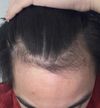
A 29-year-old male experienced significant hair density loss in 18 days despite using Finasteride and Minoxidil consistently for years. He suspects the change in brands or other factors like shedding or androgenetic alopecia might be responsible and is seeking advice.
Stem cell-related treatments and drugs like RCGD423 and WAY are being tested for hair growth. Clinics are conducting tests on patients who haven't had previous treatments.
The user is using a routine involving microneedling, Minoxidil with tretinoin, a red light cap, scalp massages, Nizoral shampoo, and essence oil shampoo to address hair loss, with visible progress noted. They are considering topical finasteride or dutasteride if progress slows but are cautious due to past side effects.
A user is experimenting with a hair loss treatment involving derma rolling and essential oils, avoiding expensive treatments and medications. They plan to shave their head, use a derma roller three times a week, apply Nizoral twice a week, and use a mix of Rosemary, Peppermint, and Jojoba Oil on non-rolling days.
A 25-year-old male has been treating hair loss for six months using 5% minoxidil once daily, 0.02% DIY topical finasteride once daily, and microneedling every two weeks. He reports increased hair density and some regrowth, particularly vellus hairs, and plans to continue the regimen, possibly adding oral finasteride in the future.
A 20-year-old has been using finasteride and minoxidil for 4.5 months, noticing reduced hair shedding and seeking advice on potential for increased hair density and hairline regrowth. They also use a dermaroller weekly but inconsistently.
The conversation is about a nearly 10-month hair loss treatment regimen that includes 1mg finasteride daily, topical minoxidil twice daily, 1.5mm microneedling once or twice a week, and Nizoral shampoo 2-3 times a week. Users are supportive and inquire about the effectiveness of microneedling.
A user who has had positive results from using a regimen of microneedling, finasteride, minoxidil, peppermint oil, keto shampoo and DHT organic shampoo for hair growth. The conversation also addressed whether to use .5mg or 1mg of finasteride and the difference between dermapens and rollers.
The conversation is about finding a legitimate online source for 17α-estradiol (Alfatradiol) powder to make a 0.1% solution for hair loss treatment. A user suggests Anagenica as a source.
Hair cell therapy and follicle cloning are still in experimental stages, with treatments like hair multiplication and regenerative hair therapy being marketed but not yet proven to create unlimited new follicles. There is skepticism about the effectiveness and legitimacy of these treatments, with some considering them scams.
HMI-115, a newly discovered hair loss treatment that could potentially be effective for those with diffuse thinning and telogen effluvium. It is based on prolactin receptor antagonist signaling and has already undergone Phase I trials in women, with potential commercialization by 2027.
A naturally occurring sugar, 2-deoxy-D-ribose, in a hydrogel form, shows promise for hair regrowth similar to minoxidil in rats. The user plans to synthesize it for topical application, seeking input from others.
Alfatradiol is often discussed at a 1% concentration, but studies typically use 0.025%. Some users report success using it as a topical treatment alongside other hair loss treatments like finasteride.
Dutasteride significantly reduces DHT levels in hair follicles, potentially more effectively than previously thought. The discussion highlights differences in DHT measurements and the impact on hair loss treatment.
The user shared progress pictures after a year of treating hair loss with 5% minoxidil, then a combination of minoxidil/finasteride topical, and microneedling at 1.5mm bi-weekly. They plan to switch to oral finasteride and more frequent microneedling at a shallower depth while continuing the current regimen.
A 17-year-old is experiencing rapid hair loss from NW1.5 to NW3 in six months and feels dermatologists are unhelpful. They are using Minoxidil (Rogaine) and seeking advice on application.
A user started using Nizoral 2% to treat severe dandruff and asked about its application, potential hair dryness, and whether to consult a doctor. They have been using finasteride for hair loss since age 19.
The user is using biotin, pumpkin seed oil, saw palmetto, green tea, Minoxidil, Nizoral shampoo, and derma rolling to combat hair loss but is hesitant to use finasteride due to potential side effects. Others suggest that without finasteride or dutasteride, the natural approach is unlikely to be effective long-term.
Adipose fat cells and stem cells may help treat hair loss by restoring the scalp's thickness. Treatments like NanoFat injections and Botox are discussed for their potential to promote hair growth.
The user experienced severe scalp itching and hair loss while on dutasteride, which they linked to caffeine and masturbation. They plan to cut out both to see if their hair density improves.
The conversation is about hair regrowth progress using a combination of treatments: dutasteride, minoxidil, RU58841, ketoconazole, and monthly microneedling. The user reports that microneedling and topical minoxidil had the most impact on their hairline.
User reports hair loss improvement with twice-weekly 0.25mg Fin, twice-weekly Min, weekly 0.5mm microneedling, and daily massages. Unconventional regimen contradicts typical advice but may reduce side effects.
The user experienced improved hair density using dutasteride and oral minoxidil compared to finasteride and minoxidil, with no significant side effects. The user took 2.5 mg of minoxidil and 0.5 mg of dutasteride daily.
The conversation discusses using microneedling with growth factor serum, PRF injections, dutasteride, oral and topical minoxidil, and topical exosomes to treat hair loss, particularly on the crown. OP plans to microneedle twice a month and seeks feedback on Korean growth factor serums.
Microneedling is often combined with minoxidil for hair growth, but concerns about scalp damage, pain, and effectiveness deter some users. Alternatives like finasteride, dutasteride, tretinoin, and laser treatments are preferred by others.
Microneedling once a week at 1mm caused bumps, possibly scars, in the treated area. The user is considering cleaning the skin before microneedling to prevent this issue.
The conversation is about a 21-year-old using finasteride, dermarolling, ketoconazole shampoo, hair growth serums, and exosome therapy to treat early-stage thinning on the crown. They are questioning if these treatments are sufficient to improve hair thickness.
A 21-year-old experiencing hair loss since age 16 is using 1mg dutasteride, 5mg minoxidil, and Nizoral, with occasional microneedling, but stopped microneedling due to scalp inflammation. They report some patchy regrowth, with stronger results at the front than the midsection.