Peptides, specifically GHK-Cu, are being considered for hair growth benefits, such as increasing blood flow to the scalp and preventing hair follicle shrinkage. A user reported starting GHK-Cu after hearing it made a friend's hair thicker.
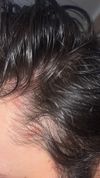
Small hairs around the hairline may regrow with continued use of minoxidil, finasteride, and ketoconazole. The user is hopeful about hairline improvement.
The conversation discusses using microneedling combined with castor, peppermint, rosemary oils, and caffeine as a treatment for mild hair loss, aiming to stop or slow down hair loss and potentially regrow hair. The effectiveness of this treatment without side effects is uncertain, and it may slow hair loss but results vary.
Microneedling may enhance hair loss treatment by increasing the effectiveness of topical minoxidil, especially for those lacking the necessary enzyme to activate it. It might also work by triggering growth factors and improving topical absorption.
Microneedling regimens for hair loss, with users discussing needle lengths and frequencies. One user reports noticeable improvement at the crown using 1mm weekly, while another uses Keto shampoo with dermastamping.
User shares progress after 2 months using finasteride, nizoral shampoo, and microneedling for hair loss. Comments discuss early treatment, results, and differing opinions on starting treatments.
Exploring the idea of transplanting miniaturized hair follicles to healthier areas to potentially reverse hair loss, with concerns about DHT sensitivity and scar tissue formation. The conversation also humorously considers using mice for hair growth experiments.
The user experienced hair loss due to androgenic alopecia and chose to use essential oils (rosemary and peppermint) and microneedling instead of minoxidil or finasteride. They reported positive results after 24 days and plan to continue with these treatments.
The experiences of users who have used RU58841 to treat hair loss, including both positive and negative effects. Some side effects reported include chest pain, joint pain in the hands, tinnitus, and increased heartbeat.
A user's experience with hair loss treatments, specifically finasteride/dutasteride, and the potential for nocebo effects to influence side-effects. They caution others against focusing too much on possible side-effects when using these drugs, as they are generally safe and effective.
A sugar gel called 2-deoxy-D-ribose (2dDR) shows potential for promoting hair regrowth by increasing blood supply to hair follicles, similar to Minoxidil, but its effectiveness in humans is unproven. It may benefit those who don't tolerate Minoxidil, but it is not a replacement for treatments like Finasteride or RU58841.
User has itching, dandruff, and scalp issues, considering Nizoral 1% shampoo for treatment. Nizoral's effectiveness for hair loss is uncertain due to limited research, short contact time, and concentration differences.
The user suspects scarring alopecia and is exploring NSAIDs and turmeric/pepper for inflammation-related hair loss, having experienced burning and thinning with finasteride and testosterone reduction. They are seeking feedback while unable to afford a dermatologist.
The conversation discusses hair regrowth possibilities using finasteride, minoxidil, microneedling, and dutasteride, with the user experiencing improvement from NW4 to NW2. Achieving NW0 is deemed unrealistic, but further regrowth may be possible with patience and potentially a hair transplant.
The user has seen great results from microneedling but is worried it might lead to faster balding without medication. They are considering adding Finasteride or Dutasteride to their routine to address underlying DHT issues.
Researching whether pyri and enza, which are stereoisomers of each other, share the same features related to CNS penetration/GABA Inhibition; safety and efficacy when used topically at 0.5-1%; and cost comparison between the two treatments.
The user is experiencing new hair growth after using oral dutasteride, topical minoxidil, and microneedling, but is concerned about black dots on the hairline, which might be clogged pores or dormant follicles. The user previously used a topical minoxidil/finasteride spray and had good results, despite a shedding phase after switching treatments.
The user is experiencing scalp itching from a PG ethanol base in their hair loss treatment, which includes 0.025% finasteride and 2.5% minoxidil, and is seeking alternatives without PG or ethanol. Suggestions include Zeuss non-PG foam and Ulo, which do not use PG or hydrocortisone.
The conversation is about a person regrowing their hair in 7 weeks using scalp massages, peppermint oil, microneedling, and keratin shampoo without drugs. They experienced initial shedding but saw improvement after consistent treatment and shampooing every other day.
The conversation is about someone experiencing a lot of bleeding from using a 1.0mm microneedling device for hair loss treatment and asking if it's normal. Various users suggest that the bleeding is excessive and recommend using shorter needles or less pressure, while others share their own microneedling practices with different needle lengths and no bleeding.
Various hair growth treatments were discussed, including microneedling, bimatoprost, setipiprant, stemoxydine, PGE2, CB-03-01, WNT Beta-Catenin upregulators, KY19382, topical estrogen, IGF-1, GH, MK-677, oral castor oil, fisetin, resveratrol, cetrizine, and lactic acid. Users shared experiences and sources for these treatments, with some expressing interest in topical solutions and others noting the lack of FDA approval or scientific evidence for certain options.
The user plans to use a 1.5 mm dermapen for microneedling every 10 days and is considering applying aloe vera afterward. They also inquire about the timing for washing their hair before and after the treatment.
A 48-year-old who had been thinning since 25 and reached NW4-5 baldness saw no improvement with 1mg/day finasteride and 5% minoxidil twice a day after 8 months. After copying another person's routine, they now use 0.5mg finasteride, ketoconazole shampoo weekly, daily microneedling with 0.5mm and 1mm once a week, and apply minoxidil twice daily, resulting in baby hairs on their bald spot and temples after three months.
The user reported progress with hair regrowth using a topical solution combining finasteride and minoxidil, but experienced scalp irritation which improved after adjusting the treatment. They are considering microneedling but are concerned about the risk of scarring.
The user shared progress photos of hair regrowth using copper peptides and NAD+ over five months. Another user commented on the lighting, and another praised the progress.
The user reports promising hair regrowth without using finasteride, focusing instead on microneedling, dermarolling, minoxidil, tretinoin, scalp massages, and red light therapy. They emphasize consistency and a healthier, side-effect-free approach.
The user recently started topical dutasteride and microneedling, and has been using RU58841 and Minoxidil for 16 months. They are curious if small black dots at their hairline indicate hair regrowth.