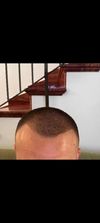
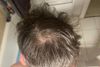
The user is unsatisfied with their hair transplant and is considering another transplant, PRP, exosomes, or stem cells. They currently use topical minoxidil, dutasteride, and tretinoin.
Red flags to watch for when choosing a hair transplant clinic, such as high-pressure sales tactics, unclear surgeon assignments, and unrealistic promises. A user shared a positive experience with Skin Medics UK, highlighting transparency and personalized care.
Norwood 7 hair loss is often excluded from trials to ensure treatments appear more effective and to reduce costs. Some believe treatments effective for Norwood 5 could work on Norwood 7, but companies prioritize market readiness.
The post and conversation are about a user who made their own Platelet-Rich Plasma (PRP) for hair loss treatment at home, using their own blood and a centrifuge. The responses vary, with some users supporting the DIY approach to save money, others expressing concern about the safety and effectiveness of the method, and a few joking about the lengths people will go to combat hair loss.
The conversation discusses hair regrowth progress from Norwood scale 4 to 2.5 over a year using daily 8.5-9% RU58841, topical Dutasteride 0.1%, RU58841 5% 1.5 times a week, and daily caffeine redensyl scalp treatment.
Microneedling depth should be customized based on hair type and scalp area, with many users finding 0.5-0.6mm effective for miniaturized hairs to avoid damage. Users report varying pain levels and results, with some preferring shorter needle lengths and others using longer ones like 1.75mm for scalp health and density improvement.
The conversation discusses using Botox to treat male pattern baldness, suggesting it may promote hair growth by increasing scalp blood flow and oxygen, reducing dihydrotestosterone levels. The user wonders why this treatment is not widely discussed or if it has been discredited.
The conversation is about a person who underwent a hair transplant surgery after using Rogaine, finasteride, and Nutrafol. They received 2300 grafts and discussed the appearance and density of the transplant, with mixed opinions on the results and advice on future procedures.
Researching the effects of scalp trauma on hair growth, with some users suggesting experimenting with a soldering iron or derma pen, and others bringing up studies that suggest this may be an effective treatment.
Microneedling on the vertex may require trimming hair to ensure needles reach the scalp effectively. Using a needle length of 1.0–1.5 mm is suggested, and longer hair might get damaged if not cut.
Epibiotech will offer off-the-shelf allogeneic hair multiplication treatment in South Korea, using dermal papilla cells from donors to grow hair in balding areas. This method is cheaper and less invasive than traditional hair transplants.
The conversation is about buying an authentic Dr. Pen for microneedling in Belgium and where to purchase related supplies like 70% isopropyl alcohol, denture tablets, antiseptic cleanser, and hyaluronic acid. The user is unsure about the official site and seeks recommendations.
A user shared their 9-month post-hair transplant results with 4600 grafts, using only Nourkin hair vitamins, Vitamin D, and B12, and expressed satisfaction. The replies debated the necessity of medications like finasteride and minoxidil for maintaining hair health.
A user shared their positive experience with a 2987 graft hair transplant focused on the hairline, supplemented by finasteride and minoxidil for the mid scalp and crown. They expressed satisfaction with the results and the supportive care received during and after the procedure.
The conversation discusses a patent filed by Shiseido for cloning Dermal Papilla (DP) cells to treat hair loss. The method involves using viral vectors to maintain the cells' growth-inducing properties, differing from Replicel's approach with Dermal Sheath Cup (DSC) cells.
The user is exploring hair loss treatments and is interested in procyanidin B2 and annurca apples but has concerns about the effectiveness and availability of supplements. They cannot use Dutasteride or Finasteride and are considering Minoxidil with microneedling.
Hair transplant success largely depends on individual biology, with many patients needing multiple procedures to achieve satisfactory density. Even top surgeons can't guarantee results, and many people use additional treatments like Minoxidil and Finasteride.
A user warns against buying the Koreabeautics V2 microneedling pen, claiming it's marketed through fake success stories and is overpriced. Another user shares their experience, acknowledging the pen's quality but agreeing it's too expensive and reliant on frequent needle head replacements.
A user created a free AI-powered hair transplant simulator to help visualize post-transplant results, seeking feedback and offering it as a tool for clinics. Users discussed its usefulness, limitations, and the requirement for email and phone verification to prevent abuse.
A user struggled with hair loss and ineffective vitamin treatments from their doctor. They eventually obtained a finasteride prescription through a telemedicine service and felt relieved.
A user struggles with male pattern baldness and a persistent tingling itch on their crown, trying various treatments like aloe vera, tea tree oil, and Nizoral without success. Another user suggests the itch might be psychosomatic, linked to worrying about hair loss.
A user discusses a company, Roots by Genetic Arts, that offers a genetic test for hair loss to create personalized treatments, and is curious about its legitimacy and the science behind it. The company tests 16 genes related to hair loss and compounds a topical treatment based on the results.
Adipose-derived stem cells with ATP improved hair regrowth in male and female mice with androgenetic alopecia. The most effective treatments were low dose stem cells with ATP for males and medium dose stem cells with non-liposomal ATP for females.
A 41-year-old doctor shared his positive experience with a 4,100 graft hair transplant, highlighting the importance of a skilled doctor for a natural hairline. He mentioned a confidence boost and the occasional use of finasteride post-transplant.
The conversation humorously discusses using off-label drugs like Minoxidil, finasteride, and RU58841 for hair growth. It jokes about the brain absorbing these treatments for maximum keratin production.
People are discussing their supplies of hair loss treatments like Minoxidil, finasteride, and dutasteride, with concerns about availability and cost. Many users mention sourcing these medications from India due to lower prices, while others discuss the challenges of obtaining them in Europe.
Adipose fat cells and stem cells may help treat hair loss by restoring the scalp's thickness. Treatments like NanoFat injections and Botox are discussed for their potential to promote hair growth.
A user had a failed hair transplant with 2800 FUE grafts at a clinic in Turkey, where finasteride was used, and the procedure was poorly executed by technicians rather than the main surgeon. The user later sought repair from a more experienced doctor, highlighting issues with large clinics that handle multiple patients daily.
The conversation discusses FUE hair transplant surgery, including questions about donor area recovery, success rates, precautions, hair growth rate, and the safety of PRP injections. It also inquires about using hairpieces post-surgery.