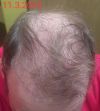
A 33-year-old male shared his hair regrowth journey, using minoxidil, dermarolling, hair brushing, scalp oils, dietary changes, and supplements. After five months, he started finasteride to improve hair thickness.
The conversation discusses treatments for androgenetic alopecia, focusing on evidence-based supplements to complement finasteride. Suggestions include oral minoxidil, saw palmetto, pumpkin seed oil, tocotrienols, and various other supplements, while emphasizing the importance of scientific backing and cautioning against saw palmetto if already using finasteride.
Using a dermaroller can enhance hair regrowth, especially when combined with minoxidil, and is recommended at depths of 0.75-1.5mm weekly. Microneedling boosts absorption and blood flow, and red light therapy is also being considered for hair growth.
The user has maintained their hair over 10 years using oral finasteride, oral and topical minoxidil, and other treatments like LLLT and ketoconazole. Despite starting hair loss at 17, they have largely preserved their hair, with some users suggesting a hair transplant for sparse areas.
The conversation discusses using finasteride for hair loss and considers additional supplements like vitamin D3, melatonin, zinc, biotin, and minoxidil. There is debate over zinc's effectiveness, with some suggesting it may not be beneficial for hair loss.
The conversation discusses the effectiveness of various supplements for hair loss, with some users suggesting higher doses of Zinc and Vitamin C, while others recommend additional supplements like Saw Palmetto and Omega-3. It is concluded that multi-vitamins are often ineffective unless there is a deficiency, and excessive intake can harm hair follicles.
Users discuss alternatives to DHT blockers for hair loss, suggesting minoxidil, microneedling, natural DHT blockers, and scalp massages. Some explore RU58841, ketoconazole, hair transplants, and hair systems due to side effects from finasteride and dutasteride.
The user replaced finasteride with saw palmetto due to availability issues and experienced side effects, leading to adjustments in their regimen. They use saw palmetto, minoxidil, Nizoral, and a dermaroller, reporting reduced side effects and some benefits, with hair fall ranging from 5 to 20 hairs daily.
A 21-year-old woman with female pattern baldness has tried minoxidil, red light therapy, and supplements without success. She is considering spironolactone and seeking medical advice.
Using liposomal solutions with dutasteride, minoxidil, and tretinoin worsened hair loss due to buildup and scalp issues. Consulting a professional and returning to simpler treatments like finasteride and minoxidil improved the situation.
Finasteride may decrease free testosterone by increasing SHBG, potentially causing side effects like reduced libido and hormonal changes. Some find it effective for hair loss, while others experience negative effects.
A 28-year-old male using only oral finasteride 1mg since May 15, 2024, reports no side effects and significant hair improvement. He plans to continue finasteride for three more months and is considering adding D3+K2 drops, zinc, folate, and magnesium glycinate.
Creatine is reported by many to increase hair loss, though no scientific evidence supports this. Some use finasteride and minoxidil to manage hair loss, while others avoid creatine due to personal experiences.
Finasteride can take over a year to show results, with some users seeing significant improvements after 1.5 to 3.5 years. Patience is key, and combining treatments like minoxidil may help.
A 16-year-old diagnosed with male pattern baldness (MPB) was prescribed hair vitamins, vitamin D, a non-ketoconazole shampoo, and redenysl + serum, with a suggestion for GFC or IHRF treatments. Some users recommended minoxidil, ketoconazole, and derma stamping, while others advised against certain treatments until the age of 18.
A 28-year-old started using finasteride and minoxidil for hair loss and is frustrated by insensitive comments from others about his balding, which is a sensitive topic for him. People, including a girl he's seeing, have made hurtful remarks, and the conversation includes discussions on societal double standards and advice to ignore such comments and focus on self-improvement.
A user shared their positive 6-month experience using Hims finasteride and minoxidil spray for hair loss, with others discussing the effectiveness and side effects of topical treatments. Instructions on how to use the spray were also provided.
A 29-year-old woman is experiencing gradual hair thinning since age 15, suspects Androgenic Alopecia, and has tried 5% minoxidil with little success. She has purchased various hair loss treatments including minoxidil, dutasteride, finasteride, and spironolactone, but is cautious about starting them due to potential interactions with her ADHD medication.
The conversation discusses using zinc sulphate and azelaic acid to inhibit 5 alpha-reductase activity, which could potentially treat androgen-related skin conditions like hair loss. Combining these with vitamin B6 could enhance the effect, potentially offering an alternative to finasteride.
People discussing their experiences with natural treatments for hair loss, such as essential oils, deep scalp massages, anti-inflammatory measures, and supplements. Most of the replies suggest that these treatments are not effective and recommend medication such as minoxidil or finasteride instead.
Why androgenic alopecia affects the scalp rather than other body parts, potential explanations for this phenomenon, treatments available to combat hair loss, and the implications of male attractiveness in modern society.
A user asks about the appropriate zinc dosage to offset side effects while taking 0.5 mg of finasteride daily. Responses suggest zinc has a minor effect on hormones compared to finasteride.
Age-linked hair loss is linked to disappearing collagen. Treatments discussed include minoxidil, finasteride, RU58841, tretinoin, microneedling, and collagen supplements.
Combining therapies like scyllo-inositol, alpha-ketoglutarate, and autophagy-inducing supplements may enhance hair growth and prevent hair loss. Reporting individual results can accelerate progress in hair loss treatments.
The user is experiencing thinning at the temporal points and has been using minoxidil, dermarolling, and a mixture of natural oils to improve hair growth. They are considering finasteride as a potential treatment based on shared information.
User tried various hair loss treatments with limited success. RU58841 was effective but caused side effects, now trying Eucapil and continuing Finasteride.
The conversation discusses using microneedling combined with castor, peppermint, rosemary oils, and caffeine as a treatment for mild hair loss, aiming to stop or slow down hair loss and potentially regrow hair. The effectiveness of this treatment without side effects is uncertain, and it may slow hair loss but results vary.
A user is using microneedling and rosemary/peppermint oil to treat hair loss, avoiding chemicals due to potential side effects. They have seen baby hairs growing after five weeks and plan to continue for a year.
The conversation is about personal experiences with Nifeishi rosemary mint oil for hair loss and requests for an ingredient review to assess its quality. Specific treatments mentioned are Minoxidil, finasteride, and RU58841.
Microneedling can cause sneezing and eye tearing due to nerve stimulation, particularly near the temples and forehead. Some users find it lessens over time, while others prefer using finasteride and minoxidil for hair growth.