Search
for
Sort by
Community Join
90-120 / 1000+ resultscommunity New Preprint: Retinoic Acid Supports Verteporfin-Induced Regeneration
community Any finasteride users who maintained their hair for over 15 years?
Many users have maintained their hair using finasteride, with some also using minoxidil or dutasteride, reporting minimal side effects. Opinions vary on the necessity of DHT, with some users arguing its importance beyond puberty, while others believe it is unnecessary and that finasteride and dutasteride are safe and effective for hair maintenance.
community Need help bros 2.5mg Dut/RU/min ISNT enough
A user is experiencing worsening hair loss despite using 2.5mg Dutasteride, RU58841, and Minoxidil daily for over 8 months. They are concerned that daily nicotine from vaping might be counteracting the treatments.
community Is it possible to transplant all of my hair to one spot on my head?
A user humorously discusses wanting to transplant all their hair into one dense circle on their scalp, leaving the rest of their head bald. Replies include a joke about performing the procedure and a story about someone using their hair to fight crime.
community Adipose tissue layer and stem cells.
Adipose fat cells and stem cells may help treat hair loss by restoring the scalp's thickness. Treatments like NanoFat injections and Botox are discussed for their potential to promote hair growth.
community Shiseido filed for this patent in May 2019. Let's get some big brain discussion on this.
The conversation discusses a patent filed by Shiseido for cloning Dermal Papilla (DP) cells to treat hair loss. The method involves using viral vectors to maintain the cells' growth-inducing properties, differing from Replicel's approach with Dermal Sheath Cup (DSC) cells.
community Researchers working on ways to regenerate lost hair from stem cells identified a recipe for normal hair regeneration in the lab. “A method for cyclical regeneration of hair follicles from hair follicle stem cells and will help make hair follicle regeneration therapy a reality in the near future.”
Hair loss treatments like finasteride, minoxidil, and hair transplants have side effects and limitations. There is hope for future advancements in stem cell therapy and hair follicle regeneration, though skepticism about their effectiveness and timeline persists.
community The end of balding: We may have just found the secret to hair regrowth
MCL-1 is important for hair follicle stem cell survival, but its impact on human hair regrowth is unclear. Minoxidil and finasteride are the main treatments, with doubts about new discoveries leading to effective human solutions soon.
community The Chinese version of Stemson Therapeutics (Hair Multiplication) is here. It is called Yunce Medical.
Yunce Medical, a Chinese company, is developing hair multiplication technology similar to Stemson Therapeutics, with potential for quicker availability due to favorable regulations. Users express skepticism and hope for future advancements in hair loss treatments.
community 4months progress min 5% what do you think guys is it working ?
Minoxidil is showing noticeable hair regrowth, but users suggest adding finasteride for better results and longer-lasting effects. Concerns about finasteride's side effects are discussed, but many users report minimal issues.
community I don’t mean this in a disrespectful way, just curious.
Young individuals with seemingly healthy hairlines are using treatments like finasteride, dutasteride, and minoxidil, possibly due to paranoia or proactive prevention of hair loss. Some believe social media influences this behavior, while others argue for waiting until actual hair loss begins before starting treatment.
community What I learnt after 5 years of styling diffuse thinned and receded hair - after meds stabilised
Finasteride is used for hair stabilization, while minoxidil is avoided due to side effects. Styling tips include using hair fibers, washing hair less frequently, and managing anxiety related to appearance.
community Counterfeit minoxidil checklist
Counterfeit minoxidil can be identified by inconsistencies in bottle fill levels, label details, and smell compared to genuine products. Genuine minoxidil has a specific alcohol-based smell and consistency, while counterfeit versions may smell musky and feel greasy.
community Hairline vs Crown regrowth results
The conversation discusses hair loss treatments, including microneedling, Nizoral, LLLT, Minoxidil, and Finasteride. The user experienced initial shedding reduction with Nizoral and LLLT, but shedding resumed with Minoxidil and Finasteride, which is considered a normal part of the treatment process.
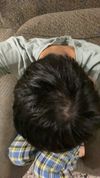
community Crown Thinning Despite 1 Year on Finasteride and Minoxidil
The user is experiencing hair loss despite using finasteride 1 mg daily and topical 5% minoxidil on the hairline. They are seeking advice as the treatments seem less effective over time.
community Whey Protein can cause hairloss in men with AGA as per a doctor
Whey protein may slightly increase hair loss in men with androgenetic alopecia (AGA) due to elevated IGF-1 and testosterone levels, but the effect is minimal compared to treatments like finasteride and dutasteride. Many users argue that whey protein's impact on hair loss is negligible and that maintaining a healthy lifestyle is more important.
community Today was Last update on pp405
A new hair loss treatment, PP405, is moving from phase 2A to 2B in clinical trials, sparking discussions about its potential to regrow dormant hairs and its impact on existing treatments like Minoxidil and finasteride. Some users express skepticism, while others are hopeful about its future effectiveness.
community Flakey scalp due to minoxidil?
Minoxidil can cause scalp flaking and dryness, often due to its alcohol content. Switching to foam minoxidil or using antifungal shampoos like Ketoconazole may help reduce these side effects.
community Why liposomal finasteride and minoxidil may be better than traditional topical solutions.
Liposomal formulations of finasteride and minoxidil may enhance drug delivery to the skin and hair follicles more effectively than traditional solutions, potentially improving treatment outcomes. However, more human clinical trials are needed to confirm these benefits.
community Fresh off the press: Dutasteride may cause chronic infertility
Dutasteride may cause chronic infertility by reducing semen volume and motility, with concerns about irreversible prostate fibrosis. Users consider switching to finasteride or using treatments like minoxidil and microneedling, weighing hair preservation against fertility.
community "Clinical efficacy of microneedle combined with 5% Minoxidil solution and finasteride in the treatment of androgenetic alopecia in males"
Microneedling combined with 5% Minoxidil and finasteride significantly improves hair growth compared to using Minoxidil or Minoxidil with finasteride alone. The combination treatment is safe and effective, but further research is needed due to small sample size and short study duration.
community Oral minoxidil or topical with tretinoin?
The conversation discusses the effectiveness of oral minoxidil versus topical minoxidil with tretinoin for hair regrowth, with some users suggesting oral minoxidil might be more effective for non-responders to topical treatments. Concerns about side effects and the role of enzymes in activating minoxidil are also mentioned.
community Reporting success with once a day chewable min plus fin combo pill
A user reported success with a once-a-day chewable pill containing Min 3mg, biotin 2.5mg, fin 1.1mg, vit B5 10mg, vit B6 2mg, and vit C 100mg for hair regrowth. They experienced no side effects and noticed healthier hair and more facial hair.
community Progress so far after a little over a year (23M)
A 23-year-old shared his hair regrowth progress after using Minoxidil, finasteride, Dutasteride, and RU58841 for over a year. The post received supportive comments, with others sharing their own experiences and complimenting his transformation.
community Anyone tried Tretinoin? I’ve heard great things
People discuss using Tretinoin for both skin anti-aging and improving hair loss treatments. They mention combining Tretinoin with Minoxidil to enhance its effectiveness for hair growth.
community High DHT with finasteride. Help!
Despite using 5% minoxidil, 0.1% finasteride, and other treatments like microneedling, MK-677, and Cialis, hair loss continues with high testosterone and DHT levels. Considering oral dutasteride but concerned about further increasing testosterone levels.
community Minoxidil (3 months) & Finasteride (2 months) Update. 23M
The conversation is about a 23-year-old man's positive experience with hair regrowth using oral finasteride (1mg daily) and topical minoxidil (twice daily), with initial side effects including zero libido and watery semen that resolved except for the semen consistency. He also used dermarolling initially but stopped due to brittleness.
community How to make a RU58841 solution (50mL 5% strength)
The conversation discusses making a RU58841 solution for hair loss prevention and includes personal experiences with using RU58841 and minoxidil for hair regrowth, with a mention of monitoring health effects.
community Before n after… #OralMinfortheWin
The user "mallanboy" shared their experience with using 0.5mg Dutasteride once a week, 0.5mg Finasteride every day, and 2.5mg Minoxidil every day for hair loss. They mentioned that their hairline has slightly improved and their hair density has increased after switching from topical minoxidil to oral minoxidil after 8 months. They hope to maintain their results until they are 30 years old for a hair transplant.