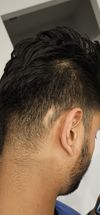
Botox may help with hair loss by reducing muscle tension and inflammation, potentially lowering DHT levels. Regular sessions might be needed, and it could also help with migraines.
The user suspects scarring alopecia and is exploring NSAIDs and turmeric/pepper for inflammation-related hair loss, having experienced burning and thinning with finasteride and testosterone reduction. They are seeking feedback while unable to afford a dermatologist.
A 22-year-old has been using topical finasteride and minoxidil with microneedling for hair loss, considering switching to oral finasteride or dutasteride due to slowed progress. Recent changes in application technique and increased microneedling frequency seem to have led to noticeable hair regrowth, prompting reconsideration of switching treatments.
A user experienced worsened hair condition after a PRP session and is considering stopping further sessions. They are using a Dermapen, electric massage, iron, saw palmetto, and plan to start minoxidil, but have had side effects with finasteride and are advised to consider dutasteride under medical supervision.
The conversation is about using topical valproic acid (VPA) for hair loss, focusing on its application method, usage frequency, and combination with other treatments like micro-needling. No specific experiences with VPA were shared.
Hair loss treatment includes Minoxidil, Derma Rolling, PRP, Saw Palmetto, Vitamin D, and Pyri. After one month, Pyri caused penis numbness, tiredness, and reduced hair fall, but user stopped due to side effects.
The user is using oral Minoxidil, oral Dutasteride, microneedling, and RU58841 for hair loss, noticing slow progress with small hairs appearing. They are inconsistent with microneedling frequency, sometimes doing it weekly or skipping weeks.
Finasteride can reduce neuroactive steroids, causing side effects like depression, anxiety, and sexual dysfunction. Some users experience persistent symptoms after stopping finasteride, while others use alternative treatments like topical solutions.
Scalp tension potentially affecting hair loss, and potential treatments for male pattern baldness such as Minoxidil, Finasteride and RU58841. Evidence from a study was discussed which suggests that the cause of MPB lies within the follicle itself and is not dependent on its surrounding environment.
A medical student experienced hair loss slowing with Finasteride but developed severe, treatment-resistant insomnia. They tried various medications with little effect, suspecting Post-Finasteride Syndrome, and others suggested the insomnia might be linked to Finasteride's impact on neurosteroids.
The user is addressing hair loss with scalp botox, scalp massage, nizoral shampoo, various vitamins and supplements, and natural nitric oxide boosters like citrulline malate and beetroot powder. They are also considering a mouthpiece to reduce snoring and improve sleep.
The user is considering Botox for scalp hair loss and currently uses finasteride, minoxidil, microneedling, pumpkin seed oil, saw palmetto, and green tea extract. They seek information on potential risks and effectiveness.
Intradermal botulinum toxin (BTX) injections effectively treat androgenetic alopecia (AGA) by inhibiting TGF-β1 secretion from hair follicles. Further research and long-term follow-up are needed to confirm these findings.
A user shared their experience with a hair transplant, emphasizing the importance of avoiding caffeine 7 days before the procedure. Ignoring this advice led to reduced effectiveness of the numbing agent, causing significant discomfort during the transplant.
The efficacy of degrading the androgen receptor through dermal application in DP cells, a delivery system for topical drugs that involves dissolving microneedles, and rosemary oil as an alternative anti-androgen.
Concerns about hair loss treatments like finasteride and minoxidil not being administered during a coma. Dutasteride remains in the system longer, and hair loss may not be immediate if treatment stops temporarily.
The conversation is about the potential risk of permanent hair loss from PRP (platelet rich plasma) treatments and whether PRF (platelet rich fibrin) carries the same risk. The user is seeking information on this topic.
The user experienced eyebrow hair loss after COVID-19 and has not seen regrowth despite using Latisse. They are seeking new treatment options but are cautious about spending money on ineffective solutions.
Hair loss can cause significant stress and anxiety, leading individuals to try various treatments like microneedling, hair transplants, and lifestyle changes. Some people find peace by accepting hair loss and focusing on other aspects of life, while others experience ongoing distress.
The user shared progress after two months of using finasteride, serioxyl, and NOOANCE casque Pro for alopecia. They are documenting their hair loss treatment journey.
The conversation is about a user's hair loss treatment progress using a routine of Avodart (Dutasteride), oral and topical Minoxidil, Ketoconazole shampoo, and microneedling. The user reports no side effects and shows improvement after resuming consistent treatment.
The conversation is about a user experiencing a tingling sensation and redness on their scalp, possibly related to hair loss treatments. Suggestions include using Nizoral shampoo and consulting a dermatologist, while the user mentions using oral finasteride.
User discusses verteporfin for hair regrowth through "super microneedling" and preventing scarring. They mention a case of an old man regrowing hair after a head injury and suggest verteporfin could recreate this result.
A user with medium length hair and thinning at the top is using an adenosine-based hair growth serum and seeking advice on whether to use a boar bristle or nylon bristle brush to stimulate hair growth. They are concerned about their sensitive scalp.