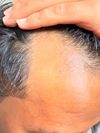
The user is using a solution of 5% minoxidil and 0.1% finasteride with micro-needling and is considering adding 1mg oral finasteride. They notice small hairs on their forehead and are questioning if these indicate potential regrowth.
The conversation discusses hair loss treatments, specifically Minoxidil, finasteride, and RU58841. The user seeks input from medical professionals and scientists on these treatments.
The conversation is about two new videos on exosomes, focusing on how they work and a Q&A session about their use. Specific treatments for hair loss are not discussed.
DHT Itch and its link to balding, with various treatments such as finasteride being discussed. Members shared their experiences of scalp itch before and after taking 5AR inhibitors, and potential underlying causes such as seborrheic dermatitis were discussed.
A 21-year-old male diagnosed with telogen effluvium and male pattern baldness started taking finasteride, which initially slowed hair shedding and slightly thickened hair. The doctor recommended iron and vitamin D supplements, and the user is considering minoxidil but wants to stabilize shedding first.
The conversation discusses personal experiences with hair loss and highlights the potential impact of anemia and nutrient deficiencies on hair health. Treatments mentioned include changing shampoo/conditioner, taking MSM, collagen, hyaluronic acid, astaxanthin, B12, folate, and bovine blood capsules.
A 3-month update on a microneedling-only project to treat hair loss, which has not had significant results in terms of thicker hair but may have seen some acceleration in hair growth and an increase in vellus hairs. The user plans to continue the journey for 6 months before making any changes, such as adding minoxidil or finasteride.
The conversation is about a person's hair loss treatment routine, which includes Metformin, sleep in darkness, avoiding EMF at night, Nizoral, Dermarolling, Castor oil, and Collagen. They have observed less hair shedding and increased hair volume.
The conversation is about hair loss treatments, including dermarolling, Minoxidil, Finasteride, and RU58841. Users discuss their experiences, side effects, and application methods for these treatments.
The conversation expresses frustration over the lack of progress in hair loss treatments, with specific mentions of Minoxidil, finasteride, and RU58841. Users discuss the slow development of new treatments and the potential of hair transplants.
Hair loss discussion includes finasteride intolerance and questioning if Pyrilutamide is an alternative. Pyrilutamide not commercially available, but may be tolerable if approved since it's not a 5aR inhibitor.
The conversation discusses using P5P (Vitamin B6) supplements to reduce elevated Prolactin levels and concerns about its potential effect on increasing DHT levels. The user is not currently using finasteride or any anti-androgens.
A 40+ year old is regrowing their hairline using microneedling, minoxidil, tretinoin, low-level laser therapy, massages, and Nizoral, without using finasteride or dutasteride. They noted progress in hair growth below a birthmark, an area that hadn't seen growth since their teenage years.
The user experienced long-term pain after an FUE hair transplant and is considering Kenacort injections for relief. They also reported brain fog, dizziness, and anxiety after stopping minoxidil and finasteride, and are currently using PRP, microneedling, and rosemary oil for hair maintenance.
New hair loss treatments include topical and gel formulations combining finasteride and dutasteride, with added caffeine and melatonin. The user reports good results with the topical dutasteride.
User shares progress update on hair loss treatment using finasteride, minoxidil, and microneedling. Others congratulate and ask questions about treatment details, such as microneedling tool, needle size, and side effects.
Switching from finasteride to dutasteride worsened hair loss and caused a burning sensation. Users suggest sticking with finasteride, using ketoconazole shampoo, and consulting a dermatologist.
The user is struggling with hair loss despite using finasteride, minoxidil, and ketoconazole, and addressing vitamin D and ferritin deficiencies. They experienced a temporary improvement but are now shedding hair again and feeling stressed.
The user experienced chest pain and increased heart rate after microneedling while using topical minoxidil for hair loss. They are unsure if minoxidil is effective without microneedling.
The user reported using Morr-F (topical finasteride and minoxidil), microneedling, castor and coconut oil, rosemary oil, and various supplements. They observed some hair regrowth, particularly fine hair on the crown and hairline, after four months of needling and three weeks of Morr-F.
User tried oral and topical finasteride for hair loss but experienced headaches and concentration issues. They ask for advice on whether to continue or try other treatments like alfatradiol, fluridil, or pyrilutamide.
Microneedling can promote hair growth, but there is uncertainty about the best practices, including needle length, device, and session frequency. Users discuss using needle lengths between 0.5mm and 1.5mm, with some experiencing pinpoint bleeding, and emphasize the need for more reliable resources and guidelines.
The conversation is a satirical discussion about a user joking that their dog is balding and needs hair loss treatments like finasteride, with others commenting on the creepiness of an AI-generated image of a dog with human features.
A 10 month update on the effectiveness of a hair loss treatment regimen involving minoxidil, finasteride, dermarolling and nizoral. Questions were asked about using minoxidil alone, dermaroller length, age, and when results were seen.
A Phase 1 update for the HMI 115 clinical trial, which involves 16 participants and is expected to end in July 2023; as well as changes to the recruitment process, including treatment protocols with Minoxidil, Finasteride, and RU58841.
Treatments for hair loss, including the use of minoxidil and microneedling; as well as discussing the potential of using finasteride or a ketoconazole shampoo.
Psoriasis shampoo with salicylic acid can improve scalp health and hair quality better than Nizoral. It helps create a cleaner environment for hair growth, especially when using treatments like finasteride.