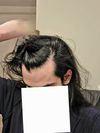
User experienced hair loss from Norwood 3.5 to Norwood 5 with diffuse thinning after using a hair system for 2 years. Tried Redensyl, Capixyl, Bicapil, Biotin, multivitamins, Fin, and Min without significant improvement, seeking advice for hair recovery.
Stem cell and exosome injections for hair loss are discussed, with skepticism about their effectiveness and concerns about using non-genetically related stem cells. Dr. Deyarmin's treatments are mentioned, with some users questioning their legitimacy and others expressing curiosity.
A 30-year-old male is experiencing hair loss and is concerned about his receding hairline, seeking advice on his Norwood scale classification. He is apprehensive about using Minoxidil and finasteride as treatments.
PP405 shows promise for hair regrowth by manipulating stem cell characteristics and lactate dehydrogenase, with Phase 2a trials pending. Google Ventures' $15M investment suggests confidence, but results and market availability remain uncertain.
Some people don't see results with FDA-approved hair loss treatments like finasteride or minoxidil due to underlying issues. The video suggests addressing these issues, especially if there are atypical symptoms or other health conditions.
A user reports significant improvement in scalp thinning after nearly 2 months of using Nutrafol, along with derma rolling and weekly rosemary oil application. Another user suggests the success might be due to saw palmetto in Nutrafol and shares their own experience of maintaining hair without finasteride.
The conversation discusses whether to use finasteride for hair loss, considering its role in inhibiting DHT and 5AR, which can affect brain function and mood. Some users report anxiety and depression from finasteride, while others do not experience these side effects and emphasize the importance of DHT for brain and prostate health.
The user shares their experience with hair loss treatments, including oral finasteride, oral minoxidil, and a topical lotion for dandruff, expressing dissatisfaction with past treatments like PRP and hair transplants. They seek advice on a DNA test to determine suitable medications and express frustration with dermatologists' advice.
The conversation is about finding the best method to lower scalp prolactine, with suggestions like P5P and Melatonin. The user also mentions HMI115 as a potential treatment and seeks feedback from those who have tried these methods.
A quercetin-encapsulated and polydopamine-integrated nanosystem (PDA@QLipo) shows promise for treating androgenetic alopecia by reshaping the perifollicular microenvironment, outperforming minoxidil in hair regeneration. The nanosystem promotes cell proliferation, hair follicle renewal, and recovery by scavenging reactive oxygen species and enhancing neovascularity.
The post discusses the completion of the HMI-115 Australian Phase 1 Trial for hair loss treatment. The user speculates about the potential early release of the trial results.
The post discusses speeding up verteporfin trials for hair loss treatment. The original poster, involved in the trials, requests help in crowdsourcing doctor emails to spread awareness and gather more support for the trials.
The conversation is about treatments for androgenetic alopecia, focusing on hyperresponders. Treatments include Minoxidil, finasteride, RU58841, leg training, and cold therapy.
The conversation humorously discusses hair loss treatments, mentioning scalp massage, minoxidil, and the ineffectiveness of devices like the "Gr0wBand." It highlights the role of androgens in hair loss and suggests that increased blood flow from massage may not significantly impact hair growth.
The user has been using a regimen including finasteride, minoxidil, various oils, and supplements for hair regrowth over 9–10 months. They observed fine hairs returning and a change in scalp texture after adding cinnamon oil, questioning if this change is a positive sign.
Hair loss treatments like Minoxidil, finasteride, and potential mRNA therapies are discussed. There is skepticism about targeting specific genes due to the complex genetic nature of hair loss.
The post discusses a phase 2 trial for HMI-115, a hair loss treatment, in China, specifically seeking volunteers aged 18-65 with Norwood 3 vertex, 4, and 5 hair loss. The conversation includes questions about the specific recruitment criteria and how to volunteer.
Experimenting with trestolone as a treatment for hair loss in an attempt to avoid DHT-related treatments such as finasteride and dutasteride, and discussing the potential effects of its receptor selectivity on the androgen receptors in the scalp.
Combining therapies like scyllo-inositol, alpha-ketoglutarate, and autophagy-inducing supplements may enhance hair growth and prevent hair loss. Reporting individual results can accelerate progress in hair loss treatments.
The conversation discusses exploring new hair loss treatments beyond popular ones like Finasteride, Minoxidil, and Ketoconazole. Specific treatments mentioned include ozone therapy, Dutasteride mesotherapy, RegeneraActiva, microcurrent electrical hair stimulation, Nourkrin, and BioEqua Enercharger.
The user experienced significant hair regrowth using a regimen of minoxidil 5% twice daily, finasteride 1 mg daily, microneedling, ketoconazole 2% twice a week, and occasional castor and coconut oil, along with daily scalp massages. They are optimistic about reversing their Norwood 5/6 hair loss.
The user is using RU58841 for hair regrowth on the temples and is considering adding minoxidil. They are questioning the potential for vellus hairs to develop into fuller hair and the possibility of reactivating dormant follicles.
The conversation discusses the importance of scalp biopsies for diagnosing hair loss conditions like DUPA and Retrograde, which may not be just AGA. It emphasizes that treatments like finasteride and dutasteride may not work if the condition is autoimmune.
The user is considering buzzing their long hair to better assess the effects of finasteride, which they have been using for over two months, and is concerned about maintaining their unique appearance. They are also curious if dyeing short hair could cause any issues.
The user has tried various hair loss treatments including topical minoxidil, oral finasteride, oral dutasteride, oral minoxidil, and exosome therapy, but none have been effective. They suspect trichodynia might be preventing these treatments from working.
A medical student experienced hair loss slowing with Finasteride but developed severe, treatment-resistant insomnia. They tried various medications with little effect, suspecting Post-Finasteride Syndrome, and others suggested the insomnia might be linked to Finasteride's impact on neurosteroids.
The conversation discusses potential hair loss treatments, including Setipiprant, Bimatoprost, and Follicept. The user encourages signing up for Follicept, which may come to market soon.
A 23-year-old male is using topical minoxidil and oral finasteride for hair regrowth, noticing some progress on his temples and seeking advice on whether this indicates overall scalp improvement. Users suggest patience, as regrowth can take time, and advise against a hair transplant, noting that the current treatment seems effective.
The clinic diagnosed the user with NW3 and AGA, noting thinning hair despite using finasteride for 3 years, and suggested PRP and Mesotherapy before considering a transplant. The user questions the necessity of these treatments without confirming retrograde alopecia and its treatability.