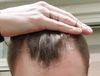
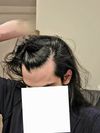
Microneedling alone can stimulate hair growth and enhance the effectiveness of minoxidil. Combining microneedling with minoxidil is more effective than using minoxidil alone.
A 24-year-old has been using finasteride, oral minoxidil, and microneedling for hair loss. They reduced minoxidil due to heartburn and are considering a hair transplant.
The user has been using Minoxidil and finasteride with success and is now trying Dualgen-5R with retinoic acid but without finasteride, along with microneedling. They plan to share results in 5-6 months.
A 31-year-old uses Minoxidil, RU58841, Reviv Hair Serum, and Ketoconazole shampoo for hair loss but avoids finasteride. They plan to reintroduce red light therapy (LLLT) and Eucapil despite previous shedding concerns.
PP405 shows promise in stimulating new terminal hair growth by activating dormant follicles, with no systemic adverse effects observed in a short-term trial. However, long-term efficacy remains unproven, and further trials are needed to confirm its potential as a hair loss treatment.
P-1075 is a more potent hair growth agent than Minoxidil, but it poses significant heart risks, making it unsafe for use. Despite promising results in macaques, concerns about its cardiotoxicity in rats have halted its development.
The conversation discusses a leave-in ketoconazole product for hair loss, which is not commonly mentioned like Nizoral shampoo. One reply suggests it acts similarly to finasteride but with potential for low absorption and similar side effects.
Minoxidil isn't effective for OP, who is exploring latanoprost and bimatoprost for hair growth. Users suggest higher concentrations of latanoprost (0.1%) are needed for effectiveness, but they are costly and hard to find.
A user shared progress pictures showing significant hair regrowth after using 1mg finasteride and weekly microneedling for about 2.5 to 3 months. The user reported no side effects and maintained good health and mood.
A user shared their 11-month experience using a 272 diode red light hat for hair loss, noting decent results despite inconsistent use and no medication. Another user suggested that real treatment like minoxidil or finasteride is necessary for long-term hair maintenance.
Microneedling combined with minoxidil and finasteride initially showed significant hair growth, but stopping microneedling and reducing minoxidil use led to hair loss. Returning to the original routine may help regain lost progress.
Tazarotene shows potential as a standalone treatment for hair regrowth by stimulating new hair follicle formation and promoting angiogenesis, similar to microneedling effects. It can be used topically without minoxidil, but users should start with a low concentration to avoid irritation.
The conversation discusses using ketoconazole, an anti-androgen, for hair loss and whether mesotherapy with dermarolling could enhance its absorption into the scalp. The user questions if the typical 2% ketoconazole shampoo dose would be effective when used after dermarolling to target androgen receptors in the scalp.
A non-binary transfeminine person experienced significant hair regrowth after starting finasteride, minoxidil, microneedling, and hormone replacement therapy with estradiol. They encourage trans individuals concerned about hair loss to consider estrogen as it has greatly improved their hair condition.
The conversation is about hair regrowth treatments, including ketoconazole, vitamins, fish oil, collagen, pumpkin seed oil, rosemary, and dermal rolling. Users suggest trying finasteride and intense weight training to enhance results.
Finasteride is effective for DHT/AR-driven hair loss but not for chromosome 20-driven cases, where treatments like minoxidil, prostaglandin analogs, and low-level laser therapy may be more beneficial. Genetic testing can help determine the underlying cause of hair loss to tailor treatment effectively.
People are discussing making their own PP405 for hair loss treatment using JLX069 and DMSO. There is skepticism about the safety and effectiveness of this homemade solution, with some users expressing concerns about potential risks.
Alcohol-free minoxidil options in Europe, particularly from a German pharmacy, are recommended for those with seborrheic dermatitis. Users suggest alternatives like Alopexy and Doppelherz foam, and emphasize avoiding propylene glycol and alcohol to reduce irritation.
A user in the UK is considering buying Bunee Minoxidil foam from eBay, which is cheaper than Regaine but is concerned it might be a fake product. They are seeking opinions on its legitimacy and effectiveness.
The user experienced reduced hair loss using an online serum but found it too expensive and is seeking a vendor for ptd-dbm. They are also interested in KY19382 but are unable to find it.
A 30-year-old male is experiencing hair loss and is concerned about his receding hairline, seeking advice on his Norwood scale classification. He is apprehensive about using Minoxidil and finasteride as treatments.
A user reported significant hair thickening and new baby hairs on the hairline after 11 months of using 1mg finasteride every other day and microneedling once a week. They experienced no shedding, and finasteride stopped all hair loss within 24 hours of the first pill.
Rosemary essential oil, particularly cineole, is considered by some to be beneficial for hair growth, though its effectiveness compared to minoxidil is debated. Finasteride, minoxidil, and ketoconazole shampoo are recommended treatments, while oils like rosemary and peppermint are seen as supplementary for scalp health.
User discusses Alfatradiol (17a-Estradiol) as a potential hair loss treatment with mixed results. Concerns include low dosage, receptor theory, and possible increased aromatase activity on scalp.
A 22-year-old male has been using oral minoxidil, oral finasteride, microneedling, and ketoconazole for hair loss treatment over two years, experiencing some regrowth and maintenance. He reports side effects from finasteride, including erectile dysfunction, and slight libido impact from minoxidil.
The conversation is about a hair loss treatment regimen using high concentrations of natural ingredients: pumpkin seed oil, saw palmetto, rosemary and peppermint essential oils, and caffeine. The user also practices microneedling, scalp massage, and takes Nutrafol.