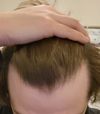
The conversation discusses concerns about the effectiveness of finasteride for hair loss. The user is worried about being a non-responder to the treatment.
Akinfenrawr experienced negative side effects from oral finasteride and RU58841, and is seeking alternative hair loss treatments. They discuss various options, including raloxifene, oral dutasteride, liposomal finasteride, Breezula, Pyrilutamide, SM04554, and sulforaphane, but have concerns about efficacy, availability, and cost.
The user is experiencing erectile dysfunction and emotional numbness, possibly due to using Dutasteride for hair loss, and is considering switching back to Finasteride. They are seeking advice on whether this change might resolve their symptoms.
Minoxidil and finasteride might help with hair regrowth, but a hair transplant may be necessary for significant improvement. The conversation humorously discusses the severity of hair loss, comparing it to various exaggerated Norwood scale levels.
The user experienced significant hair regrowth after 5 months using finasteride, dutasteride, and oral minoxidil, despite initial side effects like erectile dysfunction, which resolved after switching from finasteride to dutasteride. The user reports full recovery of hair density and improved skin condition, though the right temple remains slightly recessed.
The user experienced increased hair thinning after switching from finasteride and minoxidil to dutasteride, despite some users suggesting it might be a temporary shedding phase. The user is considering using RU58841 but is unsure about its safety.
A 32-year-old male shares his 5-year progress using finasteride, minoxidil, RU58841, and ketoconazole for hair loss. Despite consistent use, he feels his hair isn't as thick as before and is concerned about continued shedding and hairline miniaturization.
Dutasteride and oral minoxidil are not effectively stopping hair loss for the user, despite trying various treatments including ketoconazole shampoo. Suggestions include increasing dosages, considering alternative treatments, and consulting a doctor.
A user is confused about a dermatologist's positive assessment of their scalp despite concerns about their hairline. They discuss using oral minoxidil, concerns about side effects from finasteride, and difficulty finding topical finasteride.
Hair loss affects mental health and self-esteem, causing anxiety and depression. Treatments like finasteride, minoxidil, and hair transplants help some, but others continue to struggle.
Microneedling combined with minoxidil and finasteride initially showed significant hair growth, but stopping microneedling and reducing minoxidil use led to hair loss. Returning to the original routine may help regain lost progress.
PP405 is a new hair loss treatment showing early promise with a 20% hair density increase, but skepticism exists due to past failures of similar treatments like Pyrilutamide, RU58841, and Bimatoprost. Users debate its potential effectiveness, with some hopeful due to Google's involvement, while others urge caution without more evidence.
RU58841 users report mixed results, with some experiencing no benefits and others noting regrowth but potential side effects. Many prefer finasteride and minoxidil due to better-studied safety profiles.
Stopping microneedling may result in losing hair gains, as it enhances the effectiveness of treatments like minoxidil. Combining microneedling with minoxidil and finasteride is more effective than using microneedling alone.
The user switched from finasteride to dutasteride due to hairline recession but noticed further hair loss and is seeking new dermatological advice. They are concerned about the effectiveness of dutasteride and are looking for help.
Prolactin and cortisol are identified as key factors in hair loss, with stress hormones impacting hair shedding. Finasteride and minoxidil are effective treatments, while DHT's role and individual sensitivity are significant factors.
PP405 is a potential hair loss treatment undergoing trials, with discussions on its effectiveness and comparison to existing treatments like finasteride and minoxidil. There is skepticism about its status as a cure, with hopes for future advancements in genetic treatments like CRISPR.
The user experienced severe side effects from finasteride, including cognitive and sexual issues, despite its effectiveness for hair growth. They are considering switching to RU58841 and seek insights from others who have made a similar change.
FCE 28260 (PNU 156765), an under-explored 5α-reductase inhibitor, showcases promising results in research by Giudici et al., outperforming well-known treatments like Finasteride in reducing the conversion of testosterone to DHT. Its superior efficacy, demonstrated through lower IC50 values in both natural and human recombinant enzyme studies, suggests it could offer more effective management of DHT-related conditions. Additionally, its lower molecular weight hints at better potential for topical application, potentially offering advantages in treating conditions such as androgenic alopecia. Despite its potential, it has not advanced in development, possibly due to financial limitations, leaving its therapeutic prospects and side effect profile largely unexplored.
The user is frustrated with minimal hair regrowth after using dutasteride, oral minoxidil, and previously finasteride and topical minoxidil. Despite feeling discouraged, others suggest continuing treatment as progress can be slow and subtle, with some users noting visible improvement.
PP405 shows promise in treating severe hair loss, with 31% of users experiencing over 20% hair density increase in four weeks, faster than minoxidil and finasteride. Some users are skeptical about the results' significance and long-term efficacy.
Caffeine might raise stress hormones, potentially worsening hair loss. Telogen effluvium is often misattributed to minor stressors rather than significant life events.
Young men often lack awareness of hair loss treatments like finasteride and minoxidil, causing stress and anxiety. There is a need for increased awareness and early screening to address the psychological effects of hair loss.
A 23-year-old male is using finasteride (1mg daily), derma rolling, and Nizoral for hair loss treatment, experiencing increased shedding and side effects like anxiety, decreased libido, and fatigue. Despite no positive changes in hair after three months, he plans to continue finasteride and may consider RU58841 or CB as future treatments, avoiding minoxidil due to past negative experiences.
A 19-year-old has been using finasteride for 3 months to treat hair loss and is experiencing side effects like erectile dysfunction and dizziness. They plan to continue with a reduced dosage while monitoring their health and are seeking advice from others with similar experiences.
The user is considering switching from finasteride to dutasteride due to side effects like brain fog and lower libido. They experienced hair regrowth with finasteride but are concerned about potential side effects of dutasteride.
Finasteride can aid hair regrowth but may cause side effects like depression and sexual dysfunction. Users discuss experiences with finasteride, minoxidil, and RU58841, highlighting varied responses and the importance of informed treatment choices.
The conversation is about a person experiencing significant hair loss in the donor area after a hair transplant, with others suggesting it might be shock loss. The person is taking oral minoxidil and dutasteride to help with the issue.
Minoxidil 5% topical solution may cause eyesight problems, with some users experiencing blurred vision. The discussion also mentions finasteride's potential side effects, including erectile dysfunction, with varied personal experiences.
A person experienced severe sexual side effects, including loss of libido and erectile dysfunction, after using finasteride and dutasteride for hair loss. They stopped the medications and sought advice, but recovery was slow and uncertain.