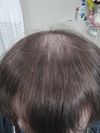
A 31-year-old man is experiencing hair loss, using minoxidil with mixed results, and has started finasteride. He is considering a hair transplant if these treatments are ineffective.
A person is struggling with hair loss and mental health issues, using treatments like dutasteride and minoxidil, and planning a hair transplant. They recently discovered their biological father is bald, causing additional stress, but are encouraged by others to focus on their treatment success and seek professional help for their mental health.
A 24-year-old male experienced hair loss despite using minoxidil and finasteride, later switching to dutasteride, higher-dose minoxidil, iron supplements, and derma stamping, which initially improved his condition. However, after moving to a stressful environment and undergoing minor surgery, his hair loss rapidly increased, particularly on one side of his temple.
A 28-year-old woman is struggling with Female Pattern Baldness and has tried various treatments, including Minoxidil and Spironolactone, without success. She feels frustrated with doctors' responses and is considering alternative treatments like light therapy but is losing hope in finding a solution.
The conversation is about hair loss and the conclusion is that genetics play a significant role in hair loss, and lifestyle choices or being a well-adjusted person do not prevent male pattern baldness.
A 32-year-old male with Norwood 3 and heavy diffuse thinning is starting a hair loss treatment including RU58841, Minoxidil, finasteride, derma rolling, vitamins, and possibly MK677, while cutting out most sugars from his diet. He plans to share progress photos and updates on his test levels.
A 22-year-old male with hair loss is considering treatments like finasteride, minoxidil, and derma rolling after being diagnosed with MPB, vitamin D deficiency, and dandruff. He seeks advice on whether these treatments can realistically improve his hair density and achieve a healthier NW2.
User discusses hair loss and new haircut embracing temple recession. Others compliment the look and share similar experiences, suggesting confidence and trust in hairstylists.
A 24-year-old with early hair loss is managing it with finasteride, minoxidil, and dutasteride, and is considering using a hair system for more styling options while maintaining transparency. They emphasize confidence and self-expression over hair, viewing it as an amplifier rather than a foundation.
A 21-year-old male diagnosed with telogen effluvium and male pattern baldness started taking finasteride, which initially slowed hair shedding and slightly thickened hair. The doctor recommended iron and vitamin D supplements, and the user is considering minoxidil but wants to stabilize shedding first.
A man's experience with hair loss, which has caused him to lose an important part of his identity, and the treatments he is using to try and combat it. Others have joined in the conversation to share their own experiences and offer support.
The conversation discusses using NAC (N-Acetyl Cysteine) alongside minoxidil and finasteride for hair loss, with some users noting potential hairline improvement and increased energy. The original poster reduced their finasteride dosage due to mental decline and anxiety, and while NAC's effects on hair are anecdotal, it is considered low-risk with other health benefits.
A user reports experiencing insomnia as a side effect of taking finasteride for hair loss, which takes 1 to 2 hours to fall asleep and results in only about 5 hours of sleep per night. They suspect the cause is related to the downregulation of neurosteroids due to finasteride.
Hair loss is influenced by scalp tension, stress, and environmental factors, not just hormones. Treatments like tretinoin, microneedling, scalp massage, and Botox can reduce tension and improve hair health.
The user is frustrated with hair loss despite using minoxidil, topical finasteride, and topical dutasteride, and is considering other options like oral treatments, SMP, or hair systems. They feel demoralized and are struggling with self-esteem and social interactions due to their thinning hair.
The user reports that using topical Dutasteride has stopped their hair loss, and they are curious about potential side effects and regrowth. They also mention having scalp psoriasis and past SSRI use affecting libido.
The user is likely at Norwood level 3 with thinning at the crown and temple recession. Treatments like finasteride or minoxidil are suggested to manage hair loss.
The conversation is about treatments for androgenetic alopecia, focusing on hyperresponders. Treatments include Minoxidil, finasteride, RU58841, leg training, and cold therapy.
A 25-year-old male experiencing hair loss suspects stress-related alopecia and is hesitant to use Minoxidil due to potential side effects. Another user suggests it might be androgenic alopecia and recommends starting finasteride.
Finasteride can cause side effects like erectile dysfunction and decreased libido, possibly due to increased estradiol from testosterone aromatization, especially in those with higher body fat. Side effects vary widely and may also be influenced by genetic factors or neurosteroid inhibition.
The user humorously describes trying various hair loss treatments, including minoxidil, finasteride, and RU58841, with a satirical twist involving psychedelic experiences and imaginary entities. They mistakenly used LSD instead of RU58841 and plan to continue experimenting with other substances.
An 18-year-old woman experiencing hair loss due to stress, possible PCOS, and low vitamin D is concerned about starting 5% minoxidil foam, prescribed by her doctor, due to potential facial hair growth. She is also using a topical steroid for scalp sensitivity and pain.
John Cazale's hairline showed strong recession at the temples but maintained solid volume and density, sparking discussion on different hair loss patterns and the importance of overall hair density. Treatments like Minoxidil and Spironolactone were mentioned as potential factors in maintaining hair, though genetics and styling were also considered significant.
A person experienced severe sexual side effects, including loss of libido and erectile dysfunction, after using finasteride and dutasteride for hair loss. They stopped the medications and sought advice, but recovery was slow and uncertain.
The conversation humorously discusses the complexity of understanding and treating male pattern hair loss, mentioning treatments like Minoxidil, finasteride, RU58841, Dr. Brotzu's lotion, and Dr. Tsuji's hair cloning. The original post satirically claims that only those with high intelligence can appreciate these treatments.
A 33-year-old man experienced diffuse thinning and hair shedding due to sleep deprivation and low testosterone. After starting hCG treatment, he noticed hair regrowth on his temples.
A 27-year-old male with diffuse hair loss, including the donor area, did not respond to finasteride, dutasteride, or minoxidil. He suspects his hair loss may be linked to a mild connective tissue disorder, possibly affecting the structural support of hair follicles, rather than being purely hormonal.
A teenage girl who has been diagnosed with ADA and is struggling with hair loss, which has caused her to lose confidence. She is looking for recommendations on treatments such as finasteride or Minoxidil, and lifestyle advice including vitamins and other supplements that might help with the issue.
A 31-year-old man who previously had good results with minoxidil, finasteride, and nizoral for hair loss is now experiencing unusual hair loss and side effects from finasteride. Respondents suggest it might be severe retrograde alopecia and recommend exploring other treatment options due to his inability to tolerate finasteride.
A humorous discussion about a newborn's hair loss, jokingly suggesting treatments like Minoxidil, finasteride, and various other hair loss remedies. Participants humorously debate extreme measures, including shaving or using a "nuclear stack" of treatments.